

Key takeaways
- Set the spool tension knob: With the rod horizontal, adjust the knob so the lure falls slowly and the spool stops when the lure touches the ground.
- Start with higher brake settings: Back off gradually as you gain confidence.
- Thumb the spool: Light thumb pressure at the end of the cast prevents backlash.
- Cast with a smooth, lob-style stroke: Hard casts accelerate the spool faster than light lures can follow.
- Keep line fresh: Old or twisted line increases tangles.
- Safety: Check your surroundings before casting, wear eye protection and use caution around overhead lines.
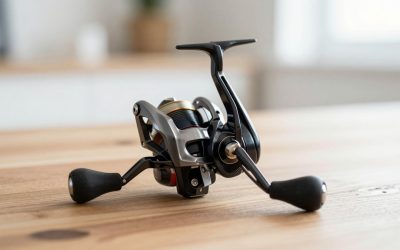
For casting light lures, the Lew’s Custom Pro and Daiwa Tatula SV TW are the models that one head-to-head reviewer found cast farthest, the Shimano SLX DC is the forgiving, beginner-friendly option that Wired2Fish says controls light baits well, and Shimano’s Curado MGL or BFS reels are the finesse specialists anglers often recommend for very light baits. Which suits you depends on lure weight, wind conditions and how much tuning you are willing to do. This guide compares those reels, what the makers and reviewers state, and the setup choices that matter more than the badge on the side plate.
Our top picks


As an Amazon Associate we earn from qualifying purchases at no extra cost to you.
Baitcasters for Light Lures at a Glance
Notes below come from published reviews and forum feedback. Casting distances are those of one reviewer’s side-by-side comparison and are not a universal ranking.
| Reel | Best for | What reviewers report | Main limit |
|---|---|---|---|
| Lew’s Custom Pro | Anglers who want a farther light-lure caster at mid to premium tier | Best light-lure caster in one four-reel test, about 40 yards with a popper; ParaMag ITB braking described in one review | Competes with Lew’s own Tournament Pro at similar cost |
| Daiwa Tatula SV TW | Skipping and light baits | About 37 to 40 yards in the same test; described there as best at skipping and light lures | Mid-range outlay |
| Shimano SLX DC | Beginners and windy conditions | Wired2Fish says it controls line with baits at 3/8 ounce and 1/4 ounce or lighter; forum users call the digital control forgiving | Another test found it weakest with light lures (about 29 to 35 yards) and harder to dial in |
| Shimano Curado DC 150 | Shimano loyalists wanting digital braking in a compact body | Included in the same four-reel test | More outlay than the SLX DC |
| Shimano Curado MGL and BFS models | Finesse and very light baits | Forum users suggest them for light lures | Narrower use; premium tier |
| Daiwa Tatula Elite | Smooth casting feel | Outside Pursuits describes it as one of the smoothest-casting reels it has thrown | Mid to premium tier |
| Lew’s Tournament and Speed Spool LFS | Value for money | Outside Pursuits calls the Tournament the best baitcaster for the money | Not specifically finesse-oriented |
Why Light Lures Are Hard for a Baitcaster
A baitcaster releases line when a spool spins freely, and the lure’s weight pulls the line out. Heavy lures overcome the inertia of the spool easily. Light lures struggle to spin it, so the spool stalls early, you lose distance, and any mismatch between spool speed and line speed produces a backlash, often called a bird’s nest. Wired2Fish makes the point that most baitcasters cast 1/2 ounce or heavier easily, but many cheaper reels struggle with backlash and wind at 3/8 ounce and 1/4 ounce or lighter. That is the problem you are solving when you pick a reel for light lures.
What to Look For
Braking system
Reels use magnetic, centrifugal or digital braking, sometimes a mix. Magnetic brakes are adjustable externally and gentle on light lures. Centrifugal brakes engage by spool speed. Digital systems such as Shimano’s DC sense spool speed and adjust braking automatically. Forum users say the digital control is forgiving even when throwing light plastics into the wind, although the head-to-head test found the DC reel the hardest to dial in, then very consistent once set. Lew’s Custom Pro is described in one review as combining magnetic and centrifugal control.
Spool size and weight
A shallower, lighter spool starts spinning with less lure weight. Makers sometimes advertise shallow or low-inertia spools aimed at finesse. Lew’s Team Lew’s Pro SP is listed with a 32mm shallow spool in one roundup, and the Shimano Curado BFS name refers to a finesse-oriented spool design. Choose a smaller spool and a reel body that suits your hand size.
Line choice and capacity
Thin braid or fluorocarbon around 8 to 12 pound test is a common light-lure setup, but the best line depends on your target species and cover. Overfilling a light spool increases backlash risk, so leave a little space below the spool edge.
Gear ratio
Gear ratios in Lew’s lineup, for example, range from 6.8:1 to 8.3:1 across models. A higher ratio retrieves more line per turn, useful for fast-moving baits; a lower ratio offers more cranking power and slower retrieves. For light lures, most anglers choose by retrieve style rather than casting performance.
Rod match
A light-lure baitcaster only works well on a rod with a fast, light tip and a lure-weight rating that matches your baits. A heavy rod will undercut the reel’s advantages.
The Main Picks Explained
Lew’s Custom Pro: the distance leader in one test
In a four-reel test by Tyler’s Reel Fishing, the Lew’s Custom Pro was the best light-lure caster at about 40 yards with a popper. One review describes ParaMag ITB braking, hardened aluminium alloy gears, a P2 SuperPinion and a one-piece frame. The same review points out that Lew’s own Tournament Pro competes at a similar price. It suits anglers who want a reel that casts light baits well without electronics.
Daiwa Tatula SV TW: skipping and light baits
The same test recorded roughly 37 to 40 yards for the Tatula SV TW and credited it with being strong at skipping and light baits. The reel uses a lightweight spool design, but check the maker’s specification sheet for exact figures. It is a strong choice for dock-skippers and finesse anglers who like a magnetic or centrifugal setup.
Shimano SLX DC: forgiving and easy
Wired2Fish says the SLX DC passed its test of controlling line with light baits and had no trouble with both heavy and light lures. An owner-survey site reports 79 percent of 267 verified owners recommending it, though one commenter says it will not cast light lures very far. The head-to-head test found it the weakest of four reels with light lures but extremely consistent once adjusted. If you want minimal fuss and live with wind, it is a safe choice.
Shimano Curado DC and Curado MGL or BFS
The Curado DC 150 was included in the same comparison. Forum users suggest the Curado MGL and BFS models for very light baits. Because these are finesse-focused and priced higher, they suit experienced anglers who regularly throw baits below a quarter ounce.
Daiwa Tatula Elite and Lew’s Tournament
Outside Pursuits describes the Tatula Elite as one of the smoothest-casting reels the author has thrown and names the Lew’s Tournament as the best baitcaster for the money. They are sensible alternatives if you want a general-purpose reel that also handles light baits reasonably.
Pick X If… Decision Table
| Pick this | If you… |
|---|---|
| Lew’s Custom Pro | want the longest light-lure casts reported in one test, and prefer manual brakes |
| Daiwa Tatula SV TW | skip baits under docks and want a light-bait focus |
| Shimano SLX DC | are new to baitcasters or fish in wind and want forgiving digital control |
| Shimano Curado MGL or BFS | regularly throw very light finesse baits |
| Daiwa Tatula Elite | want a smooth caster that handles many lure weights |
| Lew’s Tournament | want solid value for general use with some light-lure ability |
Budget Tiers
Budget: Entry-level baitcasters such as Lew’s Speed Spool LFS and similar models. They can throw light baits but demand more careful brake and tension adjustment.
Mid-range: Shimano SLX DC, Daiwa Tatula SV TW and Lew’s Custom Pro or Tournament Pro. This tier delivers the best balance for most anglers.
Premium: Curado DC and MGL, Tatula Elite and other finesse specialists. Pay for them if you cast light baits constantly.
Setup Tips for Light Lures
- Set the spool tension knob: With the rod horizontal, adjust the knob so the lure falls slowly and the spool stops when the lure touches the ground.
- Start with higher brake settings: Back off gradually as you gain confidence.
- Thumb the spool: Light thumb pressure at the end of the cast prevents backlash.
- Cast with a smooth, lob-style stroke: Hard casts accelerate the spool faster than light lures can follow.
- Keep line fresh: Old or twisted line increases tangles.
- Safety: Check your surroundings before casting, wear eye protection and use caution around overhead lines.
Alternatives
- Spinning reels: For lures below roughly a quarter ounce, a spinning outfit is often easier and less prone to tangles.
- Dedicated BFS (bait finesse system) setups: Combine a BFS reel with a matched BFS rod for the lightest baits.
- Spincast reels: Simple and forgiving for beginners and children, though with less casting control.
Frequently Asked Questions
What is the lightest lure a baitcaster can throw?
It depends on the reel and rod. Many standard baitcasters struggle below about a quarter ounce, while finesse-focused models are built for lighter baits. Reading the maker’s recommended lure range is the safest guide.
Are digital brake reels better for light lures?
They can help in wind and for beginners because they adjust automatically. One test, however, found a digital reel weaker with light lures than some magnetic designs. Both approaches can work with correct setup.
What line should I use with light lures?
Many anglers choose thin braid or fluorocarbon within the reel’s rated range. Match the line to your target species and cover, and avoid overfilling the spool.
Do I need a special rod?
A rod with a light, fast tip and a lure rating that fits your baits helps considerably. A heavy rod may limit casting even with a good reel.
How do I stop backlashes?
Set the tension knob and brakes conservatively, thumb the spool near the end of the cast and use smooth casting strokes. Practising in an open area helps.
Should a beginner buy a baitcaster for light lures?
It is possible with a forgiving reel such as a digital-brake model, but a spinning reel is often simpler. Start with a spinning outfit if light lures are your main use and you are new to fishing.
More from Amazon
Programs that pair well with the guide above. Offers and eligibility are set by Amazon and may change.
Free shipping on eligible items, Prime Video and more. Eligible new members can start with a free trial.
Start a Prime free trialA Prime membership for ages 18-24 with a trial period. Eligibility is set by Amazon.
See Prime for Young AdultsAudiobooks and podcasts to listen to on the go. Eligible new members can start with a free trial.
Try Audible freeAd-free music streaming. Eligible new subscribers can start with a free trial.
Try Music Unlimited freeAs an Amazon Associate we earn from qualifying purchases.





Write Your Review
No reviews yet. Be the first to share your experience!