

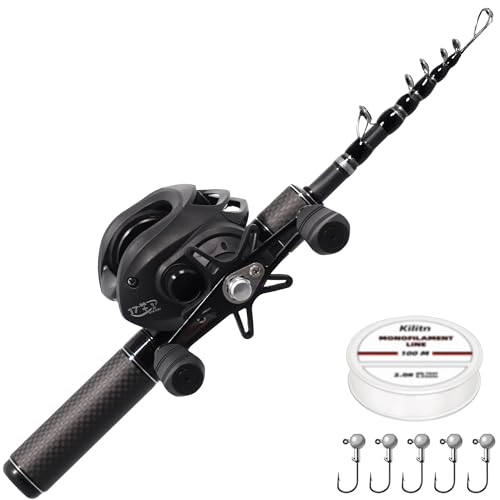
For most anglers buying a first baitcaster setup, a mid-priced low-profile reel such as the Shimano SLX A or Lew’s Classic Pro Speed Spool SLP paired with a medium-power, fast-action casting rod is the safest starting point, while experienced bass anglers who want forgiving brakes and long-term upgrades tend to look at the Daiwa Tatula 100 or the Shimano SLX DC. The right answer depends on what you throw, how much practice you can afford to spend on backlashes, and whether you are buying a ready-made combo or matching a rod and reel yourself.
Our top picks


As an Amazon Associate we earn from qualifying purchases at no extra cost to you.
Quick comparison: baitcaster reels worth matching to a rod
| Reel | Best for | Stated specs (maker or retailer listings) | Limits |
|---|---|---|---|
| Lew’s Classic Pro Speed Spool SLP | Budget buyers who want a fast retrieve | 7.5:1 ratio, about 30 inches per turn, about 7.0 oz, 4+1 bearings, 15 lb max drag, graphite frame | Fewer bearings and a simpler brake than premium reels |
| Abu Garcia Black Max | Beginners, first combo, backup setup | 6.4:1 ratio, 26 inches per turn, 4 ball bearings plus an anti-reverse bearing, MagTrax magnetic brake, graphite frame | Entry-level materials; spec sheets vary between listings |
| Abu Garcia Max 4 | Anglers who want a larger platform for heavier lures | 40LP at 6.4:1 and 60LP at 5.3:1, 5 bearings, aluminum spool, line-out alarm | Bigger reel, less pocketable for finesse work |
| Shimano SLX A | All-round value pick | 6.3:1, 7.2:1 or 8.2:1, about 6.9 oz, left or right retrieve | Reviewers note easy backlashes for beginners and brake changes that need the side plate off |
| Shimano SLX DC | Casting light lures with less thumb work | Digital control braking, about 7.6 oz, 4 ball bearings plus a roller bearing | Costs more; electronic-style brake system adds a learning curve |
| Daiwa Tatula 100 | Enthusiasts who may upgrade parts later | 6.3:1, 7.1:1 or 8.1:1, aluminum frame and spool, T-Wing system, about 29.8 inches per turn on the 7.1:1 | Some owners report noise after a season |
| KastKing Royale Legend II | Value hunters | 5.4:1 or 7.2:1, 5+1 bearings, CNC aluminum spool, 8-magnet braking, brass gears | Brand reputation is newer than the big names |
Why the rod matters as much as the reel
A baitcaster is only half of the system. The rod decides how well a lure loads on the cast, how accurately it lands, and how well the reel handles the load during a fight. Casting rods have a trigger grip and guides that sit on the underside of the blank, which keeps the reel mounted above the handle and the line running smoothly. A spinning rod will not work correctly with a baitcasting reel, so make sure the rod is labeled for casting.
Two numbers on the blank do most of the work: power and action. Power describes how much force it takes to bend the rod, usually labeled from ultra-light to extra-heavy. Action describes where the bend happens, with fast action bending near the tip and moderate action bending deeper. As a general rule across the sport, medium-heavy power with fast action suits jigs, soft plastics and worm rigs, medium power with a moderate or moderate-fast action suits crankbaits and spinnerbaits, and heavier powers are used for frogs, heavy cover and swimbaits. If you can only buy one setup, a rod around 6 feet 6 inches to 7 feet in medium or medium-heavy power covers the widest range of freshwater lures.
Reel profiles: what you are actually picking
Lew’s Classic Pro Speed Spool SLP
Retailer listings describe this as the budget member of the Speed Spool family, with a 7.5:1 ratio that recovers about 30 inches per handle turn, a one-piece graphite frame and sideplates, a 32 mm aluminum spool and a 95 mm aluminum handle. Weight is listed around 7.0 oz and max drag at 15 lb. The bearing count is described as 4+1 with a one-way clutch on some listings and as five stainless bearings on others, so treat the exact number as approximate. Reviewers who rate it as a value pick usually point to the fast retrieve and the light feel rather than any premium materials. It suits buyers who want a quick reel for jigs, spinnerbaits and topwater and do not mind a simpler brake system.
Abu Garcia Black Max and Max 4
The Black Max is the classic starter reel. Listings show a 6.4:1 ratio with about 26 inches of line per crank, a Duragear brass gear, four stainless ball bearings plus an instant anti-reverse bearing, a machined aluminum spool and a MagTrax magnetic brake. Capacity is listed at about 145 yards of 12 lb mono. The maker also sells Black Max combos, including an EZ Cast version that adds an anti-backlash feature aimed at newcomers. The Max 4 steps up to a larger low-profile platform: the maker lists a 40LP at 6.4:1 and a 60LP at 5.3:1, each with five bearings, a one-piece graphite frame, an aluminum spool and a line-out alarm, plus higher drag ratings than the Black Max. The larger body suits heavier lines, bigger crankbaits and swimbaits, but it is less comfortable for light finesse work.
Shimano SLX A and SLX DC
Wired2Fish lists the SLX as its most affordable pick, and Tom’s Fishing ranks it first overall. The maker offers 6.3:1, 7.2:1 and 8.2:1 gear ratios in left or right retrieve, with listed weight near 6.9 oz and drag around 11 to 12 lb. GearJunkie rates it solidly but notes that beginners can backlash it easily and that the brakes are adjusted inside the side plate rather than from outside. The SLX DC adds Shimano’s digital control braking, which the maker positions as a way to adapt braking during the cast. Two review sites name the DC their editor’s pick for buyers who can spend more and want help with backlashes.
Daiwa Tatula 100
The Tatula 100 uses an aluminum frame and spool, a T-Wing line guide and external brake and tension adjusters. Listings show 6.3:1, 7.1:1 and 8.1:1 ratios and a weight of about 6.9 oz on the 6.3:1, with 11 lb of max drag. Owners describe it as smooth and forgiving, and some enjoy that aftermarket spools and bearings can be added over time. A few report noise after a season of heavy use, and some dislike the external dials. CritPro names it best overall in its 2026 roundup.
KastKing Royale Legend II
The maker lists 5.4:1 and 7.2:1 versions with five ball bearings plus a roller bearing, a CNC aluminum spool, brass gears and an eight-magnet Cross-Fire brake system. Listed weight is around 7.2 oz. The brand also sells casting combos with a twin-tip rod, which is convenient for a beginner who wants everything in one purchase. Because specifications for line pickup differ between two of the maker’s own listings, check the box or manual you receive before relying on a single number.
Matching gear ratio to what you throw
Gear ratio is the number of spool rotations per handle turn. A ratio near 5:1 or 6:1 gives more cranking power and slower speed, which many anglers prefer for deep-diving crankbaits and swimbaits that put load on the reel. Ratios from 7:1 to 8:1 pick up line quickly, which helps with flipping, pitching, topwater and fast-moving lures, and also helps take up slack after a hookset. If you only want one reel, a ratio between 6:1 and 7.5:1 is the middle ground used by most all-round recommendations.
Combo or separates?
A combo is easiest if you are new: the rod and reel are already balanced, the reel seat fits, and the line is often spooled. The trade-off is that you rarely get the best parts of each. Buying separately lets you choose a rod action for the lure and a reel for the brake system, but it requires more research and mistakes in power or length can leave a setup that feels unbalanced. A good test in a shop is to mount the reel and check that the rod balances near the front of the handle; a tip-heavy or reel-heavy feel tires the wrist over a full day.
Pick X if… decision table
| Pick this | If you |
|---|---|
| Abu Garcia Black Max combo | are brand new, want a ready setup and expect to learn thumbing the spool |
| Lew’s Classic Pro Speed Spool SLP | want a fast 7.5:1 retrieve for jigs and topwater without moving into premium territory |
| Shimano SLX A | want a widely recommended mid-priced reel and are comfortable adjusting brakes inside the side plate |
| Shimano SLX DC | cast lighter lures and want automatic help against backlashes |
| Daiwa Tatula 100 | like external adjustments and may upgrade parts over time |
| Abu Garcia Max 4 | use heavier line or larger lures and need a bigger platform |
| KastKing Royale Legend II | want a feature-rich budget reel or a combo with a twin-tip rod |
Alternatives to consider
- Lew’s Speed Spool LFS: Retailer listings show about 7.1 oz, 15 lb max drag, a magnetic brake and a choice of ratios from 5.6:1 to 8.3:1. It sits above the Classic Pro in the Lew’s line, and Wired2Fish named the Speed Spool RX its best overall baitcaster in 2026.
- Abu Garcia Revo SX baitcaster: GearJunkie rates it as a best-value mid-range option.
- A quality spinning combo: If lures are light or the wind is gusty, a spinning setup avoids backlashes entirely and may be a better first purchase.
Frequently Asked Questions
What is the best baitcaster rod and reel for a beginner?
A ready-made combo with a medium-power, fast-action rod and a reel that has a magnetic brake is the common starting recommendation. The Abu Garcia Black Max combos and KastKing twin-tip combos are examples of this approach. Plan on spending time at the water learning thumb control before judging the reel.
Can I use a baitcasting reel on any rod?
No. A baitcasting reel needs a casting rod with a trigger grip and guides placed to suit the reel on top of the blank. Using a spinning rod will give poor line flow and an awkward reel position, so confirm the rod is labeled for casting.
How do I avoid backlashes?
Tighten the spool tension so the lure drops slowly, apply the brakes recommended in the manual, and use your thumb to slow the spool as the lure nears the water. Heavier lures are easier to learn on than very light ones. Reels with digital or centrifugal braking, such as the Shimano SLX DC, can reduce the risk but do not remove the need for practice.
Is a higher gear ratio always better?
No, it depends on the lure. High ratios retrieve quickly and suit flipping and topwater, while lower ratios give more torque for deep-diving crankbaits. A ratio between 6:1 and 7.5:1 is the usual all-purpose choice.
Should I choose left-hand or right-hand retrieve?
Choose the handle side that lets you cast with your dominant hand and then switch rod hands to reel, or keep it in the casting hand if you prefer. Most anglers use a right-hand rod hand to cast and reel with the left on a left-retrieve reel, but both styles are common. Try both in a shop if possible.
Do I need a baitcaster for bass fishing?
Not strictly, since spinning gear works for lighter presentations. Baitcasters offer better accuracy with heavier lures, more cranking power and stronger drags, which is why they dominate for jigs, crankbaits and cover fishing.
More from Amazon
Programs that pair well with the guide above. Offers and eligibility are set by Amazon and may change.
Free shipping on eligible items, Prime Video and more. Eligible new members can start with a free trial.
Start a Prime free trialA Prime membership for ages 18-24 with a trial period. Eligibility is set by Amazon.
See Prime for Young AdultsAudiobooks and podcasts to listen to on the go. Eligible new members can start with a free trial.
Try Audible freeAd-free music streaming. Eligible new subscribers can start with a free trial.
Try Music Unlimited freeAs an Amazon Associate we earn from qualifying purchases.





Write Your Review
No reviews yet. Be the first to share your experience!