

Key takeaways
- A boat trailer has one job that cannot be compromised: carry the boat safely and legally behind the tow vehicle.
A boat trailer has one job that cannot be compromised: carry the boat safely and legally behind the tow vehicle. The right one is matched to the boat’s loaded weight and hull shape, built from a frame material that suits the water it will touch, and equipped with the axles, brakes, and tires that fit the distance and conditions of travel. Cutting corners here affects both the boat and everyone on the road.
This guide covers capacity calculations, trailer styles, axles and brakes, frame and corrosion factors, and the checks that prevent common mistakes. It does not list products. Laws for brakes, lights, and registration vary by state and province, so local rules should always be confirmed.
Match the Trailer to the Boat First
Begin with the boat’s specifications: length, beam, hull type, and dry weight. Add the engine if it is not included, plus fuel, gear, and any accessories normally carried during towing. The sum is the loaded weight, and the trailer must be rated above it with a healthy margin. Trailer capacity is expressed as gross vehicle weight rating, which covers the trailer plus the cargo.
Understand the Ratings
Gross vehicle weight rating, often shortened to GVWR, is the maximum total weight the trailer may carry, including its own weight. Subtracting the trailer’s empty weight gives the usable payload. A trailer too close to its rating wears quickly and handles poorly. Choosing capacity comfortably above the loaded boat weight improves safety and longevity.
Tongue Weight
Tongue weight is the downward force on the hitch ball. For most boat trailers, a figure between about five and ten percent of the total trailer weight keeps towing stable. Too little causes sway, while too much overloads the tow vehicle’s rear axle. Many trailers have adjustable axle positions or winch stands that allow fine tuning.
Trailer Styles and Support Systems
Bunk Trailers
Bunk trailers support the hull with long carpeted or covered boards along each side. They spread weight along a large area, which suits many fiberglass, aluminum, and pontoon-style hulls. They make loading easy at many ramps, and they are gentle on the boat when adjusted correctly.
Roller Trailers
Roller trailers use rows of rollers that help the hull roll on and off at shallow or steep ramps. They can be useful where ramp conditions are poor or when launching alone. The tradeoff is concentrated pressure points, so some hulls need careful roller placement to avoid stress.
Pontoon, Jon, and Specialty Trailers
Pontoon boats ride on trailers designed to support the tubes or the frame, and jon boats often use simple, light frames. Personal watercraft and multi-boat trailers are designed for distinct loads. Choose a trailer designed specifically for the boat type rather than adapting a general model.
Axles, Brakes, and Tires
Single-axle trailers are lighter and easier to maneuver but have a limited capacity. Tandem axles distribute the weight, offer better stability, and give some redundancy if a tire fails. Triple-axle setups serve large boats.
Brakes
Many jurisdictions require brakes above certain weight thresholds, and even where not required they improve safety. Surge brakes use hydraulic pressure triggered by the trailer pushing forward against the hitch and need no wiring to the tow vehicle. Electric brakes need a controller in the tow vehicle and can offer finer control. Disc brakes tend to resist water better than drum brakes, and stainless or coated components help against corrosion in saltwater use.
Tires and Wheels
Tires labeled for trailer use have stiffer sidewalls to handle sway and heavy loads. Passenger car tires are not designed for this duty. Check load ratings against the axle capacity, keep pressure at the level printed on the tire sidewall or trailer label, and carry a matching spare. Age matters, since sunlight and time degrade rubber even when the tread looks fine.
Bearings
Wheel bearings are submerged repeatedly at launch ramps and are a leading failure point. Bearing protection systems that keep grease under slight pressure help block water. Regular repacking and inspection remain essential.
Frame Materials and Corrosion
- Galvanized steel: A zinc coating protects the frame from rust and is strong and affordable. Hot-dip galvanizing generally offers better coverage than electro-galvanizing.
- Painted steel: Lower in cost but vulnerable if the finish chips, especially in saltwater. Suitable for freshwater use with diligent upkeep.
- Aluminum: Lightweight and corrosion resistant, which lets smaller tow vehicles handle bigger boats. It usually costs more and requires careful design to match steel strength.
Saltwater owners should pay extra attention to fasteners, wiring, and brake hardware, rinsing the entire trailer after each use. Freshwater users still need to inspect for rust and fatigue, since moisture and road salt cause damage over time.
Fit, Adjustability, and Extras
A trailer should support the hull along its structural lines, usually near the keel and chines, with adjustable bunks or rollers to fine-tune the fit. The boat’s transom should rest against support, and the winch post should position the bow snugly. Adjustable winch stands, bow stops, and tie-downs help hold the boat securely.
Lighting is both a legal and safety matter. Sealed LED lights resist water and last longer than incandescent bulbs, and well-routed wiring harnesses prevent corrosion at connectors. A tongue jack makes hitching easier, and fenders, step pads, and guide posts help with loading. Coupler size should match the tow vehicle’s hitch ball, and safety chains, breakaway systems, and proper hitch classes must all be considered.
Tow Vehicle Compatibility
The tow vehicle must be capable of handling the trailer’s full loaded weight and tongue weight, including braking and cooling needs. Review the vehicle’s towing rating, receiver class, and brake controller options. Underrated vehicles risk overheating, poor braking, and loss of control. Remember that passengers and cargo in the tow vehicle reduce available capacity.
Launching, Storing, and Everyday Handling
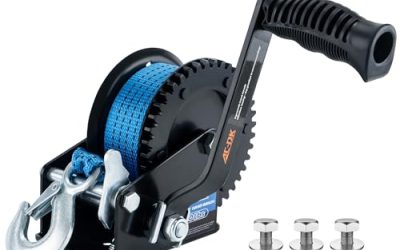
How the trailer is used shapes which features earn their keep. Owners who launch several times a week benefit from guide posts, a sturdy winch with a strap or cable in good condition, and bunks that make centering the boat easy. Those who store the boat on the trailer for months should consider where the weight rests on the tires, since long periods parked in one spot can flatten tires and stress bearings. Blocks under the frame, or moving the trailer a few inches now and then, reduce that wear.
Backing skills and ramp conditions matter as well. A trailer with a short tongue reacts quickly when reversing, while a longer tongue is easier to steer in reverse but takes more room to turn. Before every trip, walk around the rig and check the coupler latch, safety chains, light function, tire condition, and strap tension. A two-minute habit prevents most roadside problems.
Common Mistakes to Avoid
- Choosing a trailer based on hull length alone without calculating loaded weight.
- Ignoring tongue weight, causing sway or tow vehicle overload.
- Buying a painted steel trailer for regular saltwater use.
- Using non-trailer tires or ignoring tire age.
- Skipping brakes when the trailer’s weight or local rules require them.
- Forgetting to rinse and inspect after each launch.
- Failing to check bunk or roller fit against the hull shape.
Budget Tiers and Final Checklist
Budget trailers typically use painted steel, single axles, and basic lights, and suit small freshwater boats. Mid-range models add galvanized frames, better bearings, and brakes. Premium trailers feature aluminum or heavy galvanized frames, disc brakes, adjustable supports, and long warranties. Spend where it protects the boat and improves braking and corrosion resistance.
- Calculate the boat’s loaded weight and choose a trailer rating above it.
- Match support style to hull type.
- Confirm axle count, brake type, and tire ratings.
- Pick a frame material suited to freshwater or saltwater.
- Verify the tow vehicle’s rating and hitch setup.
- Review local registration and equipment rules.
Related guides
- Shimano Stradic Fl Vs Daiwa Bg Spinning Reel
- Polarized Sunglasses For Kayak Fishing
- Battery Chargers For Marine Batteries
Frequently Asked Questions
How is the right trailer capacity figured out?
Add the boat’s dry weight, engine, fuel, and gear to find the loaded weight, then choose a trailer whose rating exceeds that figure with a margin. Many buyers aim for a cushion of at least ten percent. Always confirm that the tow vehicle can handle the total.
Are bunk or roller trailers better?
Bunk trailers spread support across the hull and are gentle on many boat types, while roller trailers make launching easier on shallow or steep ramps. The better option depends on the hull shape and the typical launch conditions. Manufacturers often indicate which style suits a given boat.
Does a boat trailer need brakes?
Requirements vary by jurisdiction and weight, but brakes are widely used on heavier trailers and improve stopping and stability. Surge brakes work without wiring, while electric brakes require a controller. Checking local regulations and the tow vehicle’s capacity helps decide.
How should a trailer be maintained after saltwater use?
Rinse the frame, brakes, wheels, and wiring with fresh water as soon as possible after leaving the ramp. Inspect bearings, lights, and connectors regularly, and repack bearings on schedule. Touch up any scratches in the coating to prevent corrosion from spreading.
More from Amazon
Programs that pair well with the guide above. Offers and eligibility are set by Amazon and may change.
Free shipping on eligible items, Prime Video and more. Eligible new members can start with a free trial.
Start a Prime free trialA Prime membership for ages 18-24 with a trial period. Eligibility is set by Amazon.
See Prime for Young AdultsAudiobooks and podcasts to listen to on the go. Eligible new members can start with a free trial.
Try Audible freeAd-free music streaming. Eligible new subscribers can start with a free trial.
Try Music Unlimited freeAs an Amazon Associate we earn from qualifying purchases.

Write Your Review
No reviews yet. Be the first to share your experience!