

Key takeaways
- Beginner ice anglers need only a few electronics to start: a way to see the bottom and the fish, a power source that works in the cold.
Beginner ice anglers need only a few electronics to start: a way to see the bottom and the fish, a power source that works in the cold, and optional extras such as an underwater camera or a GPS map. The most useful first purchase is usually a basic sonar flasher or a compact sonar-and-display unit, and the rest can wait.
This guide explains each electronics category, the specs that matter on the ice, and how to build a simple setup without overspending. It also covers safety, because no device replaces checking the ice itself.
Why Electronics Matter on the Ice
Drilling a hole reveals very little. Electronics show water depth, structure, bottom hardness, suspended fish, and the lure itself, which turns random drilling into a searching process. A beginner who can read depth and see fish rising to a bait learns faster and wastes less time on empty water.
The Core Categories
Flashers
A flasher uses a round dial with colored bands to show depth, bottom, and the position of fish and the lure in real time. It reads quickly, handles fast changes well, and is simple once the colors are understood. Many veteran anglers prefer flashers for jigging. They are a strong first choice for anyone fishing walleye, perch, crappie, or panfish through the ice.
Sonar With a Digital Display
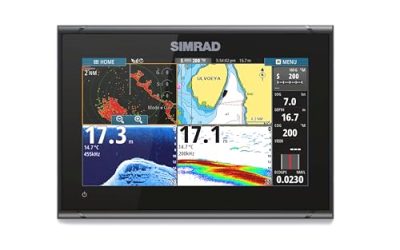
These units show a scrolling graph or a screen with numbers, with a history of what passed beneath the transducer. They are easy to read for newcomers, and many include a flasher-style view. Some support color displays and let anglers zoom into a depth range. They work well for anglers who prefer a more intuitive picture of fish arches and structure.
Live Imaging Sonar
Live imaging systems show moving fish and lures in near real time, almost like a video. They take the guesswork out, but they require extra equipment, such as a larger display, a specific transducer, and stronger batteries. They suit anglers who want to scout aggressively, and they are not a requirement for a beginner.
Underwater Cameras
Cameras let anglers see fish behavior, weeds, and bait action. Visibility depends on water clarity, light, and depth, and cloudy or deep water limits what the camera shows. A camera is a fun learning tool, but it is optional for beginners.
GPS and Mapping Devices
A GPS unit or a phone app with lake maps helps find points, humps, drop-offs, and saved holes. It is useful on large lakes where finding the right area matters. Mapping can come from a handheld GPS, a phone app, or a combined sonar-and-GPS unit.
Ice Thickness Gauges and Safety Electronics
Ice thickness is not something electronics can judge reliably. An ice auger and a simple measuring tool or ice thickness gauge remain the primary safety items. Never rely on a screen for ice safety.
What to Look For in a Unit
- Transducer type: Ice transducers are built for use in a hole or in a shallow-water setup, and they must be rated for cold. Some are designed to fit a small hole and sit level so readings are accurate.
- Cone angle: A wider angle covers more area but shows less detail. A narrower angle gives more precision. Dual-beam transducers offer both.
- Power output and sensitivity: Higher power helps in deep or murky water, but shallow-water anglers rarely need maximum power.
- Display clarity: Sunlight on snow can wash out a screen, so look for a bright, high-contrast display with a sunshade or a flasher dial that is easy to read in glare.
- Cold-weather performance: Look for an operating temperature range suitable for winter and a battery that handles cold. Liquid crystal displays can slow in extreme cold.
- Portability: Small units fit in a pack or bucket and are easy to move from hole to hole.
- Ease of use: Simple controls with gloves on are a real advantage.
Power Considerations
Batteries
Cold reduces battery capacity. Lithium batteries perform better in low temperatures than older lead-acid types, and they are lighter. Sealed lead-acid packs are cheaper but heavier and lose power faster in the cold. Keep the battery in an insulated case or close to the body to extend its life.
Charging and Spares
A fully charged spare battery is useful for long days. Charge batteries at room temperature before heading out, and avoid leaving them in a cold vehicle overnight. Portable power banks can run some devices and small cameras, but only if the voltage and connectors match.
Wiring and Connectors
Check that connectors are water resistant and that cables do not stiffen so much in the cold that they crack. Keep a small repair kit and spare fuses in the bag.
Building a Starter Setup
- Pick a flasher or a compact sonar unit with a transducer made for ice use.
- Add a battery sized for a full day, with a carrying case or insulated pouch.
- Keep a mounting arm, a bucket, or a sled with a holder so the transducer sits steady.
- Download lake maps on a phone app or purchase a basic GPS if fishing large waters.
- Add a camera or live imaging later after learning to read the flasher.
Learning to Read the Screen
Practice at home in a tub or a pool to see how the transducer shows a lure and a fish. On the ice, begin by identifying the bottom, then watch how the jig appears on the dial or screen. Fish often rise to a lure before biting, so watch their reaction and adjust the speed of the jig. Start with shallow, familiar waters before moving to complex deep basins.
Safety First
Ice conditions vary by lake, weather, and even spot to spot. A commonly cited guideline is that clear, solid ice at least four inches thick is the minimum for walking, with thicker ice needed for sleds, snowmobiles, and vehicles. Always check thickness at multiple spots, avoid moving water, inlets, springs, and pressure ridges, and consult local bait shops or conservation authorities for current ice reports. Carry ice picks, a rope, and a flotation device, and tell someone the plan. Electronics are not a safety tool.
Common Mistakes
- Buying too much too soon. A simple flasher teaches more than a complicated system.
- Ignoring battery capacity. Cold quickly drains weak batteries.
- Poor transducer placement. A tilted or bubble-filled transducer gives false readings.
- Not testing before the trip. Verify the setup at home.
- Relying on electronics for ice safety. Use proper tools and caution.
- Skipping the manual. Settings such as gain, range, and noise rejection change what the screen shows.
Budget Tiers Without the Numbers
Entry-level flashers and basic sonar units cover the essentials of depth, bottom, and fish. Mid-range units add color displays, improved sensitivity, and better transducers. Premium options include live imaging, large screens, built-in mapping, and integrated cameras. Beginners should start in the lower or middle tier and upgrade after learning which features they use.
Quick Checklist
- Choose a flasher or a simple sonar display.
- Confirm the transducer is built for ice use.
- Pick a battery with cold-weather performance.
- Plan a way to hold the transducer steady.
- Add maps or GPS if fishing large lakes.
- Carry ice safety gear and check thickness.
Related guides
- Shimano Stradic Fl Vs Daiwa Bg Spinning Reel
- Polarized Sunglasses For Kayak Fishing
- Battery Chargers For Marine Batteries
Frequently Asked Questions
What electronics does a beginner ice angler really need?
A flasher or a basic sonar unit with an ice-rated transducer and a battery that handles the cold covers the essentials. Cameras, live imaging, and GPS are optional additions.
Is a flasher or a screen-based sonar easier for beginners?
Screen-based units are easier to read at first, while flashers are fast and widely used for jigging once the colors make sense. Many beginners start with whichever feels more intuitive and later try the other style.
How does cold weather affect fishing electronics?
Cold reduces battery capacity and can slow some screens. Keeping batteries warm, using lithium packs, and carrying a spare help maintain performance.
Can electronics tell if the ice is safe?
No. Safe ice must be checked by drilling and measuring in multiple locations, while paying attention to currents, ridges, and local ice reports.
More from Amazon
Programs that pair well with the guide above. Offers and eligibility are set by Amazon and may change.
Free shipping on eligible items, Prime Video and more. Eligible new members can start with a free trial.
Start a Prime free trialA Prime membership for ages 18-24 with a trial period. Eligibility is set by Amazon.
See Prime for Young AdultsAudiobooks and podcasts to listen to on the go. Eligible new members can start with a free trial.
Try Audible freeAd-free music streaming. Eligible new subscribers can start with a free trial.
Try Music Unlimited freeAs an Amazon Associate we earn from qualifying purchases.
Write Your Review
No reviews yet. Be the first to share your experience!