

Key takeaways
- Mild winter, around 20–32°F (-7–0°C): Choose a waterproof boot with roughly 100–200 g synthetic insulation or a lightly insulated neoprene design.
- Regular snow, around 0–20°F (-18–-7°C): Look for 200–400 g insulation, a thick footbed, and enough interior volume for a wool-blend sock.
- Cold walking, around -20–0°F (-29–-18°C): Consider 400–800 g insulation, a taller shaft, and a removable felt or foam liner.
- Extended stationary use below -20°F (-29°C): Use a purpose-built extreme-cold pac boot with a removable liner and substantial sole insulation. Keep a backup liner available if the first becomes damp.
The best snow boots for 2026 depend less on a headline temperature rating than on the combination of insulation, waterproof construction, sole grip, shaft height, weight, fit, and whether the liner can be removed and dried.
Our top picks
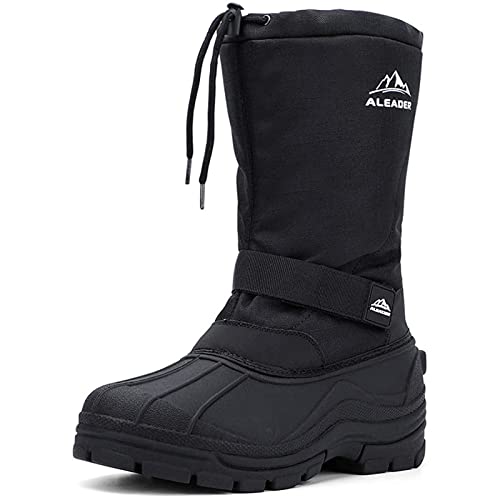



As an Amazon Associate we earn from qualifying purchases at no extra cost to you. Ratings are shown as listed on Amazon.
Quick picks by winter situation
| Situation | Best boot type or example | Useful target specifications | Main compromise |
|---|---|---|---|
| Everyday town use, moderate snow | Insulated leather or synthetic winter boot such as the Sorel Caribou or Kamik Nation Plus | 200–400 g insulation, sealed seams, 6–9 in shaft, about 1.1–1.6 kg per pair | Less warmth and flotation than a tall pac boot |
| Deep cold and stationary outdoor work | Heavy pac boot such as the Baffin Impact | Removable multi-layer liner, 10–13 in shaft, thick felt or foam insulation, aggressive rubber sole | Bulky, heavy, and warmer than necessary for indoor transitions |
| Wet snow, slush, and chores | Neoprene rubber boot such as the Muck Arctic Sport or BOGS Classic High | 5–7 mm neoprene, waterproof rubber lower, 11–15 in shaft, flexible upper | Warmth depends heavily on movement and sock choice |
| Frequent walking on packed snow | Light insulated hiking-style winter boot | 200–400 g insulation, 4–6 mm lugs, heel brake, roughly 0.9–1.4 kg per pair | Usually less warm when standing still |
| Ice-prone paths | Boot with a winter-compound rubber outsole plus separate traction cleats | Deep multidirectional tread, flexible sole, removable ice cleats sized to the boot | No ordinary rubber is reliable on polished ice |
How much insulation do you need?
Insulation numbers are useful for comparison, but they are not a universal temperature guarantee. A temperature rating can change with walking speed, wind, sock thickness, circulation, moisture, and how tightly the boot fits. A person standing in a fishing shelter needs more insulation than someone walking briskly between a vehicle and a building.
- Mild winter, around 20–32°F (-7–0°C): Choose a waterproof boot with roughly 100–200 g synthetic insulation or a lightly insulated neoprene design.
- Regular snow, around 0–20°F (-18–-7°C): Look for 200–400 g insulation, a thick footbed, and enough interior volume for a wool-blend sock.
- Cold walking, around -20–0°F (-29–-18°C): Consider 400–800 g insulation, a taller shaft, and a removable felt or foam liner.
- Extended stationary use below -20°F (-29°C): Use a purpose-built extreme-cold pac boot with a removable liner and substantial sole insulation. Keep a backup liner available if the first becomes damp.
Do not automatically buy the warmest boot. Excess insulation can make feet sweat during active walking, and moisture inside the sock eventually reduces warmth. For mixed use, a medium-insulated boot with room for a dry wool-blend sock is often more versatile than an extreme-cold model.
Waterproof construction matters as much as insulation
For slush and standing water, a waterproof rubber lower is more dependable than a water-resistant fabric upper. A waterproof membrane can protect the foot while the boot is intact, but stitching, tongue gussets, lace areas, and the seam between the sole and upper remain potential entry points.
Choose construction by exposure
- Rubber lower with textile or leather upper: A good all-purpose arrangement for snow, sidewalks, and occasional puddles. Check that the tongue is gusseted at least several inches above the instep.
- Full rubber or neoprene boot: Best for slush, wet fields, and messy chores. The tall shaft keeps snow and water out, but the boot may feel less stable on uneven ground.
- Leather pac boot: Comfortable and durable when maintained, but leather needs drying and conditioning. Do not place it directly against a heater, which can shrink or crack it.
- Removable liner system: Particularly valuable for fishing, snowmobiling, ice work, or any activity where the liner may become damp. It also lets you replace a worn liner instead of replacing the entire boot.
Grip: tread is not the whole answer
Look for a rubber outsole with multidirectional lugs, a defined heel edge for braking, and enough spacing between lugs to shed packed snow. A shallow, closely spaced pattern can feel smooth on ice and clog with wet snow. A very deep lug can be excellent in loose snow but awkward on indoor floors and less predictable on hard pavement.
Winter-specific rubber compounds generally remain more flexible in low temperatures than ordinary hiking-boot rubber. Even the best outsole cannot guarantee traction on glare ice. For icy docks, steps, and fishing access points, use removable traction cleats with metal studs or coils when appropriate, and remove them before walking on finished indoor floors.
Fit the boot for warmth, not just length
A snow boot should hold the heel securely while leaving space for your toes to move. A cramped toe box compresses insulation and can make the boot feel colder; an excessively loose boot allows heel lift and wastes energy while walking.
- Measure both feet late in the day while wearing the socks you expect to use.
- Allow approximately 10–15 mm of space beyond the longest toe.
- Check that you can flex your toes without touching the top of the boot.
- Walk downhill or down a ramp. Your toes should not strike the front.
- Tighten the instep and ankle before tightening the upper shaft, if the boot has separate adjustment zones.
As a practical fit check, remove the liner if possible and stand on it. Your foot should not spill over the liner’s sides, and there should be roughly one finger of space beyond the longest toe. This check is more useful than simply sizing up, because adding length does not fix a narrow forefoot.
Weight and shaft height: the trade-off most listings hide
Tall, heavily insulated boots keep out deep snow and retain warmth, but every extra ounce increases fatigue over a long walk. Shorter boots are easier to drive in and more comfortable indoors, yet they require gaiters or careful snow clearing when conditions deepen.
| Boot category | Typical shaft height | Typical pair weight | Best use |
|---|---|---|---|
| Light insulated winter hiker | 5–8 in | 0.9–1.4 kg | Walking, commuting, packed snow |
| Leather or synthetic pac boot | 8–11 in | 1.2–2.0 kg | General winter use and moderate snow |
| Tall neoprene rubber boot | 11–15 in | 1.5–2.3 kg | Slush, wet ground, chores, fishing |
| Extreme-cold pac boot | 10–14 in | 1.8–3.0 kg | Deep cold and stationary outdoor work |
These are useful shopping ranges rather than guarantees; size, liner design, and insulation thickness can change the final weight substantially.
Ownership realities: what wears first
The outsole and heel usually show wear before the waterproof upper fails. Repeated bending can also loosen the bond between the sole and upper, while salt creates cracks and stains in leather and corrosion around metal eyelets. Foam footbeds compress faster than the outer shell, so a boot that suddenly feels colder may simply need a new insole.
- After use, remove the footbed and liner if possible and dry them at room temperature.
- Never store damp boots in a sealed plastic container.
- Brush off salt and grit, then wipe the exterior with clean water.
- Condition leather according to the manufacturer’s instructions; heavy wax can reduce breathability.
- Inspect the sole edge, heel, seams, and liner before the next season.
- Replace a compressed or torn liner before assuming the whole boot is finished.
A removable liner also changes the cost of ownership. For example, a $180 boot used 30 days per winter for three winters costs about $2 per use. If a $45 replacement liner adds another season, the effective cost can fall further than buying a new pair whenever the original liner becomes damp or compressed.
Bottom line
Choose the Sorel Caribou or Kamik Nation Plus style of boot for everyday snow and moderate cold, a Muck Arctic Sport or BOGS Classic High style for wet slush and chores, and a Baffin Impact style of pac boot for prolonged cold or stationary work. Prioritize a secure heel, generous toe room, a waterproof lower, winter-flexible rubber, and a removable liner when drying and maintenance will be difficult. The best snow boots are the ones whose warmth and traction match the way you actually spend winter outdoors—not simply the pair with the most insulation.

Write Your Review
No reviews yet. Be the first to share your experience!