

Our Top Picks
The best baitcasting fishing rod for most anglers is the 13 Fishing Omen Black 3 Kayak 7-foot 3-inch medium-heavy: a one-piece Toray graphite rod with a shorter butt that clears a life jacket, built for jigs, topwater and crankbaits from a kayak or the bank. Anglers buying their first baitcasting rod should look at the Abu Garcia Vengeance 6-foot 6-inch medium, a 24-ton graphite rod with a forgiving fast action that makes learning thumb control easier than a stiff heavy rod. Anglers who skip jigs under docks should look at the Lew’s Team Signature Series 7-foot 1-inch heavy, a pro-model skipping rod with a multi-layered graphite blank and Winn Dri-Tac Ultra grips. Anglers who flip heavy cover should look at the Dobyns Kaden 7-foot 6-inch medium-heavy flipping rod, a high-modulus graphite rod with Kevlar wrapping and a full cork handle built to pull bass out of thick cover. Anglers who jig saltwater should look at the St. Croix Mojo Jig 5-foot 8-inch heavy, a short conventional rod built on SCII graphite with saltwater-grade guides for vertical jigging.
This guide compares five baitcasting rods on the figures that decide whether a rod fits the fishing: length and power, blank material, guide and reel-seat hardware, and the line ratings printed on the blank. Every figure below comes from the manufacturers’ published specification data and listing data, so you can match a rod to the water you fish without guessing.
As an Amazon Associate, we earn from qualifying purchases.
Table of Contents
- Why a Baitcasting Rod Is Different
- How to Choose a Baitcasting Fishing Rod
- Quick Comparison
- The 5 Best Baitcasting Fishing Rods
- Safety and Checks Before You Order
- Frequently Asked Questions
- Conclusion
- Product and ASIN Reference
Why a Baitcasting Rod Is Different
A baitcasting rod carries the reel on top of the rod and feeds line through small guides, and that layout is what makes it the power-fishing rod. The reel sits above the blank, so the rod balances with the weight on top, and the line comes off a revolving spool that the angler controls with a thumb. That thumb control is the whole skill of baitcasting: press the thumb on the spool to stop it at the end of the cast, feather it during the cast to keep the spool from overrunning, and a backlash is the result when the spool spins faster than the line leaves it. A beginner can learn a baitcasting rod in a few sessions, because the reel rewards a smooth cast and punishes a hard snap, and the thumb becomes automatic with practice. The five rods in this guide are all baitcasting rods for that reason: they cover the heaviest freshwater and inshore fishing with the most accurate casting.
Length is the first difference between baitcasting rods. A 6-foot 6-inch rod is the all-purpose learning length, because it casts accurately around docks, banks and fallen trees while still giving enough leverage to turn a bass. A 7-foot rod casts farther and picks up more line on the hookset, which suits open water, long casts to schooling fish and fishing from a boat where the extra length is not in the way. A 7-foot 3-inch rod adds reach for kayak fishing, where the angler sits low and needs the extra length to clear the bow. A 7-foot 6-inch rod is the flipping length, because the extra length pitches a jig farther underhand and gives leverage to pull a fish out of heavy cover. A 5-foot 8-inch rod is the jigging length, because a short rod gives leverage straight down and does not tire the arm on a vertical jigging day. The rods here run from 5 feet 8 inches to 7 feet 6 inches.
Power and action are the second difference. Power is how much force it takes to bend the rod, and it runs from medium to heavy in this guide. A medium power rod is the all-purpose answer for baitcasting, because it casts lures from a quarter of an ounce to five-eighths of an ounce and handles line from 6 to 12 pounds, which covers bass on spinnerbaits, Texas rigs and topwater. A medium-heavy power rod is the bass standard, because it casts jigs and Texas rigs from three-eighths of an ounce to an ounce and handles line from 12 to 25 pounds, which covers the fish that live in cover. A heavy power rod is the specialist answer, built for skipping jigs under docks and for vertical jigging in saltwater, where the rod has to set a hook through a thick jig body or lift a fish off the bottom. Action is where along the blank the rod bends: a fast action bends near the tip, which gives a quick hookset and a sensitive feel, and a moderate-fast action bends deeper, which cushions a hard run and keeps a fish pinned on a treble hook. The rods here are fast or moderate-fast, which is the right action range for setting a hook on a fish that hits hard.
The third difference is what a baitcasting rod is not. It is not a spinning rod, which hangs the reel under the rod and feeds line off a fixed spool with no thumb control, and it is not a fly rod, which casts line rather than lure weight. A baitcasting rod is the rod for heavier line, heavier lures and accurate casts to a target, and it is the rod type that most bass anglers move to once they fish cover, jigs and topwater seriously. The species-specific rods on this site, for bass, walleye, crappie, catfish and musky, are variations on the same casting themes. This guide stays general: five rods that cover baitcasting as a whole, so an angler who fishes several techniques on casting gear has a single place to compare them.
How to Choose a Baitcasting Fishing Rod
Start With Length and Power
Length and power decide what the rod can do before any other figure matters. A 6-foot 6-inch medium rod is the starting point for most baitcasting anglers, because it casts the widest range of lures, handles the widest range of line, and fits in a car trunk or a rod tube without a fight. A 7-foot medium-heavy rod is the step up for bass fishing, where the extra six inches adds casting distance and line pickup on the hookset, and it is the right length for fishing from a boat or a long bank. A 7-foot 3-inch medium-heavy rod is the kayak answer, because the extra length clears the bow when the angler casts seated, and the shorter butt keeps the rod from catching on a life jacket. A 7-foot 6-inch medium-heavy rod is the flipping answer, because the extra length pitches a jig farther and gives leverage to pull a fish out of grass and wood. A 5-foot 8-inch heavy rod is the jigging answer, because a short rod gives leverage straight down and does not tire the arm. The Vengeance in this guide is the 6-foot 6-inch medium, the Omen Black 3 Kayak is the 7-foot 3-inch medium-heavy, the Kaden is the 7-foot 6-inch medium-heavy flipping rod, the Team Signature is the 7-foot 1-inch heavy skipping rod, and the Mojo Jig is the 5-foot 8-inch heavy jigging rod.
Power follows the fish, not the rod. A medium power rod rated for 6- to 12-pound line covers bass on spinnerbaits, Texas rigs and topwater, which is why the Vengeance in this guide is a medium power rod. A medium-heavy power rod rated for 12- to 25-pound line covers bass on jigs and Texas rigs in cover, which is why the Omen Black 3 Kayak and the Kaden in this guide are medium-heavy rods. A heavy power rod is the answer for skipping jigs under docks and for vertical jigging in saltwater, and the Team Signature and the Mojo Jig in this guide are heavy rods for those jobs. Match the power to the fish you target most often, because a rod fished above its line rating will break at the worst moment, and a rod fished far below its rating will feel dead in the hand.
Blank Material and Guides Decide Feel
Blank material is the material the rod blank is built from, and it decides weight, sensitivity and durability. Graphite blanks are light and sensitive, so the angler feels the bite, but they are brittle and can break if the rod is high-sticked, which is pulling the rod past vertical under load. The Vengeance uses a 24-ton graphite blank, which is the standard graphite grade at the budget tier, and it is light enough to cast all day. The Omen Black 3 Kayak uses a 36-ton Japanese Toray graphite blank, which is a higher-modulus graphite that is stiffer and more sensitive for the same weight. The Mojo Jig uses SCII graphite with a Fortified Resin System and Advanced Reinforcing Technology, which is St. Croix’s saltwater graphite build, made to be strong and light at the same time. The Kaden uses a high-modulus graphite blank with Kevlar wrapping, which adds hoop strength so the blank resists crushing under a heavy load. The Team Signature uses a multi-layered graphite blank with FOCAS resin technology, which the maker designed for tip strength on skipping casts.
Guides are the rings the line runs through, and they decide whether the line flows freely and whether the rod survives years of use. Ceramic inserts protect the line from wear, and stainless steel frames resist corrosion and hold the insert in place. The Vengeance uses stainless steel guides with titanium oxide inserts, which are the standard inserts on budget and mid-range rods and handle braid and monofilament without grooving. The Team Signature uses Seaguide RA guides with aluminum oxide inserts, which are built to manage line and encourage maximum casting distance. The Omen Black 3 Kayak uses ALPS stainless steel guides with zirconia inserts, which are harder than aluminum oxide and last longer under braid. The Kaden uses Sea Guide XO guides, which are built for smooth braid management and long casts. The Mojo Jig uses Sea Guide guides with corrosion-resistant SS304 frames and aluminum-oxide rings, which are built to fend off saltwater deterioration.
One Piece or Two Pieces
A one-piece rod is the better fishing tool, because it has no ferrule joint to add weight or reduce sensitivity, and all five rods in this guide are one-piece rods for that reason. A two-piece rod is the better travel tool, because it breaks down to half its length and fits in a car trunk or a rod tube, and it is the right choice when the rod has to fly in a suitcase or ride in a small car. If the rod lives in a truck bed or a boat rod holder, buy one-piece. If the rod flies in a suitcase or rides in a car trunk, buy two-piece and accept the small loss in sensitivity. If the rod hikes into a backcountry lake, buy multi-piece and accept that the ferrules add weight.
The trade is real but small. A ferrule joint adds weight at the joint and interrupts the blank’s bend, which reduces sensitivity by a small amount that most anglers will not feel on a medium or medium-heavy rod. On a heavy rod, where the blank has to transmit a tap on a jig through thick cover, the difference is larger, which is why the skipping, flipping and jigging rods in this guide are all one-piece rods. The Vengeance and the Omen Black 3 Kayak are also one-piece rods, so they need a 6-foot 6-inch or 7-foot 3-inch rod tube or a truck bed to transport. An angler who needs a rod that packs down should look for a two-piece version in the same series and confirm its length, power and action against the figures in this guide before ordering.
Pairing the Reel and the Line
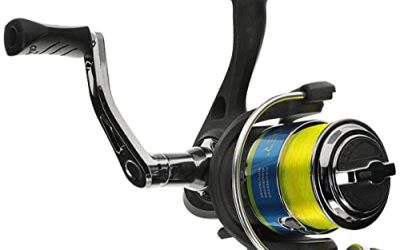
A baitcasting rod is only half of the outfit, and the reel and line decide whether the rod fishes the way its figures promise. A 6-foot 6-inch or 7-foot medium or medium-heavy rod pairs with a low-profile baitcasting reel in the 100 or 150 size, which balances the rod in the hand and holds enough line for bass fishing without adding weight. A 7-foot 6-inch flipping rod pairs with a faster reel, because a fast retrieve picks up line quickly after a pitch and keeps a fish from running back into cover. A 5-foot 8-inch jigging rod pairs with a conventional reel with a strong drag, because vertical jigging is a winch job as much as a casting job. Spool braid in the test the rod is rated for, then tie on a fluorocarbon leader of about 3 feet, because fluorocarbon is harder for fish to see and more resistant to abrasion around rocks and dock pilings. Monofilament is the right first line for a beginner, because it is cheap, forgiving and easy to knot, and it stretches enough to cushion a sudden run.
Set the reel before the first cast, because a baitcasting reel that is not set will backlash on the first throw. Turn the spool tension knob until the lure falls slowly to the ground when the thumb releases the spool, then set the brakes to the middle of their range and adjust from there. Start with a lure at the heavy end of the rod’s rating, because a heavier lure loads the rod and carries line off the spool cleanly, and move to lighter lures as the thumb learns the timing. Check the line rating on the blank before spooling, because a rod fished above its line rating will break, and a rod fished far below its rating will not load on the cast. The rods in this guide run from 6- to 12-pound line on the lightest pick up to 12- to 25-pound line on the flipping pick, and the line rating is printed on every blank. Match the reel size to the rod length and power, match the line to the rating, and the outfit will cast the way the rod was built to cast.
Quick Comparison
| Product | Length | Power | Blank | Tier |
|---|---|---|---|---|
| Abu Garcia Vengeance Casting | 6 ft 6 in | Medium | 24-ton graphite | Budget |
| Lew’s Team Signature Series Casting | 7 ft 1 in | Heavy | Multi-layered graphite, FOCAS | Premium |
| 13 Fishing Omen Black 3 Kayak Casting | 7 ft 3 in | Medium-heavy | 36-ton Toray graphite | Mid-range |
| Dobyns Kaden Series Casting Flip | 7 ft 6 in | Medium-heavy | High-modulus graphite, Kevlar | Premium |
| St. Croix Mojo Jig Casting | 5 ft 8 in | Heavy | SCII graphite, FRS, ART | Mid-range |


The 5 Best Baitcasting Fishing Rods
1. Abu Garcia Vengeance Casting 6-Foot 6-Inch Medium — Best First Baitcasting Rod
Tier: Budget
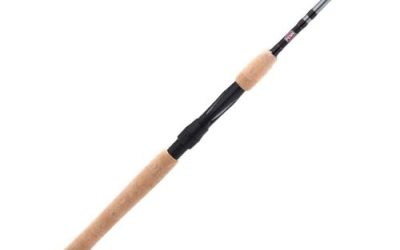
The Abu Garcia Vengeance Casting 6-foot 6-inch medium is the best first baitcasting rod in this guide, and it is the rod most anglers should start with. It is a one-piece casting rod built on a 24-ton graphite blank, with stainless steel guides and titanium oxide inserts, a high-density EVA split grip and a custom ergonomic Abu Garcia reel seat. The maker builds the Vengeance as a balance of function and design, and the rod is light and balanced enough to cast all day without tiring the wrist. The 6-foot 6-inch medium model is rated for 6- to 12-pound line and a lure range of a quarter to five-eighths of an ounce, which covers bass on spinnerbaits, Texas rigs, topwater and small crankbaits on one setup, and the fast action sets the hook quickly on a light bite.
The budget case is forgiveness at the entry tier. A first baitcasting rod has to do two things: cast well enough that a new angler catches fish, and survive the learning curve, which includes backlashes, high-sticking and storing the rod badly. The Vengeance’s 24-ton graphite blank is tougher than a high-modulus tournament blank and lighter than a fiberglass blank, and the stainless steel guides with titanium oxide inserts handle braid and monofilament without grooving. The high-density EVA split grip repels water, and the Texas-rigged hook keeper holds a hook securely while the rod rides in a rod holder. The rod carries a limited 3-year warranty from the maker, which is a strong warranty statement at the budget tier.
The trade against the premium picks below is refinement and range. A medium power rod tops out at five-eighths of an ounce, so it is not the pick for heavy jigs, big swimbaits or flipping thick cover, and an angler who fishes those techniques should look at the Dobyns Kaden below. The 6-foot 6-inch length gives up casting distance to the 7-foot rods in this guide, which matters on open water and long casts to schooling fish. The rod is also a one-piece rod, so it needs a 6-foot 6-inch rod tube or a truck bed to transport. The listing record for this variant is a parent listing with many lengths and powers on one page, so confirm the exact variant on the selector before ordering: this pick is the 6-foot 6-inch medium one-piece model, and other variants run in different lengths, powers and piece counts.
Choose the Abu Garcia Vengeance if you are buying a first baitcasting rod, want a forgiving action that makes learning thumb control easier, and value a light graphite rod at the budget tier. Skip it if you want the most sensitive rod available, where the Lew’s Team Signature Series below is the premium answer, or if you fish heavy jigs and thick cover, where the Dobyns Kaden below is the flipping pick.
Specs
- Type: casting rod
- Length: 6 ft 6 in
- Power: medium
- Action: fast
- Pieces: 1
- Line rating: 6 to 12 lb
- Lure rating: one quarter to five eighths oz
- Blank: 24-ton graphite
- Guides: stainless steel, titanium oxide inserts
- Grip: high-density EVA split grip
- Hook keeper: Texas-rigged
- Reel seat: custom ergonomic Abu Garcia
- Warranty: limited 3 years
- Best for: first baitcasting rod and general freshwater bass
2. Lew’s Team Signature Series Casting 7-Foot 1-Inch Heavy — Best Skipping Rod
Tier: Premium
The Lew’s Team Signature Series Casting 7-foot 1-inch heavy is the skipping rod in this guide, and it is the pick for anglers who skip jigs under docks and overhangs. It is a one-piece casting rod built on Lew’s proprietary multi-layered graphite blank with FOCAS resin technology, with Seaguide RA guides and premium aluminum oxide inserts, a Full Contact reel seat and Winn Dri-Tac Ultra split grips. The model is Andy Montgomery’s skipping rod, built to his specification for skipping a jig on a low trajectory under a dock, and the 7-foot 1-inch heavy model has enough tip to skip and enough backbone to set a hook with 20-pound fluorocarbon. The rod carries a limited 2-year warranty from the maker, and the series runs to 18 casting and spinning models, each built to a pro angler’s technique.
The premium case is a technique-specific blank and grip. Skipping is a low, flat cast that lands a jig softly under cover, and it needs a rod that loads quickly and recovers fast, which is what the FOCAS blank is built for: a multi-layered graphite blank that the maker designed for tip strength. The Winn Dri-Tac Ultra split grip gives control in wet conditions, and the Full Contact reel seat puts the hand on the blank for sensitivity, so the angler feels the jig touch bottom and feels the bite before the fish moves off. The No Foul hook keeper holds the hook securely while the rod rides on the deck. The 7-foot 1-inch length gives leverage for a hookset after a skip, which is the moment that decides whether the fish comes out from under the dock.
The trade against the Vengeance above is specialization. A heavy power skipping rod is a specialist tool: it is built for jigs under docks and overhangs, and it is not the pick for light lures, finesse presentations or crankbaits, where a medium or medium-heavy rod is the answer. The rod is also a one-piece rod, so it needs a 7-foot 1-inch rod tube or a truck bed to transport. The line and lure ratings are printed on the blank rather than stated in the published model tables, so check the blank before ordering and match the line to the rod: a heavy skipping rod is built for heavier line, and it is not the pick for thin line. The listing record for this variant is a parent listing with many models on one page, so confirm the exact variant on the selector before ordering: this pick is the 7-foot 1-inch heavy one-piece skipping model.
Choose the Lew’s Team Signature Series skipping rod if you skip jigs under docks, value a technique-specific blank and grip, and want the premium rod in this guide. Skip it if you want one rod for all baitcasting fishing, where the 13 Fishing Omen Black 3 Kayak below is the all-around answer, or if you are buying a first baitcasting rod, where the Abu Garcia Vengeance above is the budget answer.
Specs
- Type: casting rod
- Length: 7 ft 1 in
- Power: heavy
- Action: fast
- Pieces: 1
- Blank: multi-layered graphite, FOCAS resin technology
- Guides: Seaguide RA, aluminum oxide inserts
- Grip: Winn Dri-Tac Ultra split grip
- Reel seat: Full Contact
- Hook keeper: No Foul
- Warranty: limited 2 years
- Best for: skipping jigs under docks and overhangs
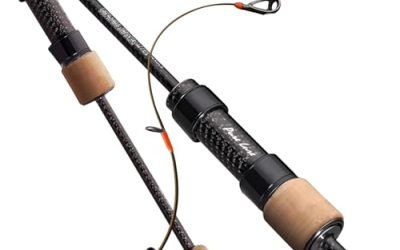
3. 13 Fishing Omen Black 3 Kayak Casting 7-Foot 3-Inch Medium-Heavy — Best Kayak Rod
Tier: Mid-range
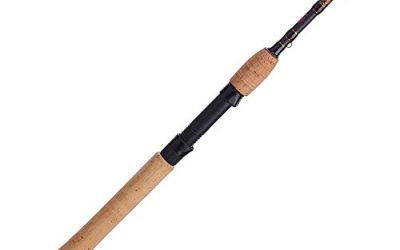
The 13 Fishing Omen Black 3 Kayak Casting 7-foot 3-inch medium-heavy is the kayak rod in this guide, and it is the pick for anglers who fish from a kayak. It is a one-piece casting rod built on a 36-ton Japanese Toray graphite blank with Poly Vector Graphite technology, with ALPS stainless steel guides and zirconia inserts, a custom Evolve seamless reel seat and hook keeper, and a 4A hand-selected Portuguese cork handle. The kayak version takes the Omen Black 3 rod and cuts the butt shorter, so the rod butt clears a life jacket when the angler casts seated, and the shorter butt makes it easier to work a lure without interference from the vest. The rod carries a limited 5-year warranty from the maker, and the Omen Black series is the original workhorse of the 13 Fishing lineup.
The kayak case is a shorter butt and a versatile medium-heavy blank. A kayak angler sits low, casts seated and wears a life jacket, and a standard rod butt catches on the vest on every cast. The Omen Black 3 Kayak solves that with a shorter butt, and the 7-foot 3-inch medium-heavy blank covers the techniques a kayak angler fishes most: jigs, Texas rigs, topwater and crankbaits. The 36-ton Toray graphite blank is light and sensitive, so the angler feels a tap on a jig in deep water, and the ALPS stainless steel guides with zirconia inserts handle braid without grooving. The cork handle stays comfortable over a long day on the water, and the Evolve reel seat locks the reel in place with a direct connection to the blank.
The trade against the Vengeance above is leverage and listing age. A shorter butt gives less leverage on a one-handed hookset and in a heavy battle, which is the cost of a rod built for a seated angler, and an angler who fishes standing from a boat should look at the standard Omen Black 3 with a full butt instead. The action and the line and lure ratings are not stated in the published model table, so check the blank before ordering and match the line to the rod: a medium-heavy rod is built for the standard bass lure range, and it is not the pick for heavy swimbaits. The listing record for this variant rests on older evidence, with the last Amazon price record from January 2024, so confirm the live offer before ordering. The rod is also a one-piece rod, so it needs a 7-foot 3-inch rod tube or a truck bed to transport.
Choose the 13 Fishing Omen Black 3 Kayak if you fish from a kayak, wear a life jacket while casting, and want one medium-heavy rod for jigs, topwater and crankbaits. Skip it if you fish standing from a boat, where a standard butt gives more leverage, or if you want the lowest tier rod available, where the Abu Garcia Vengeance above is the budget answer.
Specs
- Type: casting rod, kayak
- Length: 7 ft 3 in
- Power: medium-heavy
- Action: not stated in the published model table
- Pieces: 1
- Blank: 36-ton Japanese Toray graphite, Poly Vector Graphite
- Guides: ALPS 316 stainless steel, zirconia inserts
- Grip: 4A Portuguese cork, shorter butt for kayak use
- Reel seat: custom Evolve seamless
- Hook keeper: Evolve
- Warranty: limited 5 years
- Best for: kayak bass fishing and bank fishing with a shorter butt
4. Dobyns Kaden Series Casting 7-Foot 6-Inch Medium-Heavy Flip — Best Flipping Rod
Tier: Premium
The Dobyns Kaden Series Casting 7-foot 6-inch medium-heavy flip rod is the flipping rod in this guide, and it is the pick for anglers who flip and pitch jigs and Texas rigs into heavy cover. It is a one-piece casting rod built on a high-modulus graphite blank with Kevlar wrapping, with Sea Guide XO guides, a Fuji reel seat and a Portugal AA-cork full handle. The 7-foot 6-inch medium-heavy model is rated for 12- to 25-pound line and a lure range of a quarter to 2 ounces, which covers jigs, Texas rigs and swimbaits in grass, wood and laydowns, and the fast action sets the hook quickly when a fish picks up a jig in thick cover. The rod carries a limited lifetime warranty from the maker, with a replacement fee, and the Kaden series was built for anglers who wanted more full-handle models and slightly faster actions.
The flipping case is length, backbone and grip. Flipping is an underhand pitch that drops a jig quietly into a small pocket of cover, and it needs a long rod: the 7-foot 6-inch length pitches farther underhand and gives leverage to pull a fish straight up and out of grass before it wraps the line around a stalk. The Kevlar wrapping adds hoop strength to the blank, so the rod resists crushing under a heavy load, and the blank is built on the spline and balanced, which keeps the rod from twisting on the cast. The Portugal AA-cork full handle gives a two-handed grip for the hookset, and the Sea Guide XO guides keep braid flowing cleanly on a long pitch.
The trade against the Omen Black 3 Kayak above is length and specialization. A 7-foot 6-inch rod is long for tight cover and for bank fishing in brush, where the extra length catches branches, and it is not the pick for a kayak, where the Omen Black 3 Kayak above is the shorter-butt answer. A medium-heavy fast rod is not the pick for crankbaits, which need a moderate action to keep a treble hook pinned, or for light lures, where a medium rod is the answer. The rod is also a one-piece rod, so it needs a 7-foot 6-inch rod tube or a truck bed to transport. The listing record for this variant is a parent listing with many Kaden models on one page, so confirm the exact variant on the selector before ordering: this pick is the 7-foot 6-inch medium-heavy flip model.
Choose the Dobyns Kaden flipping rod if you flip and pitch jigs and Texas rigs into heavy cover, value a long rod with a full cork handle, and want the premium flipping rod in this guide. Skip it if you fish open water or light lures, where the Abu Garcia Vengeance above is the medium power answer, or if you fish from a kayak, where the 13 Fishing Omen Black 3 Kayak above is the shorter-butt pick.
Specs
- Type: casting rod
- Length: 7 ft 6 in
- Power: medium-heavy
- Action: fast
- Pieces: 1
- Line rating: 12 to 25 lb
- Lure rating: one quarter to 2 oz
- Blank: high-modulus graphite, Kevlar wrapping
- Guides: Sea Guide XO
- Grip: Portugal AA-cork full handle
- Reel seat: Fuji
- Warranty: limited lifetime, with a replacement fee
- Best for: flipping and pitching jigs and Texas rigs in heavy cover
5. St. Croix Mojo Jig Casting 5-Foot 8-Inch Heavy — Best Saltwater Jigging Rod
Tier: Mid-range
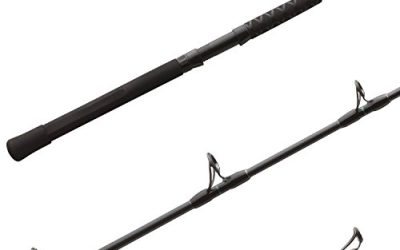
The St. Croix Mojo Jig Casting 5-foot 8-inch heavy is the saltwater jigging rod in this guide, and it is the pick for anglers who jig vertically in saltwater. It is a one-piece conventional casting rod built on a premium SCII graphite blank with a Fortified Resin System and Advanced Reinforcing Technology, with Integrated Poly Curve tooling, Sea Guide guides with corrosion-resistant SS304 frames and aluminum-oxide rings, a Fuji PSS-SD palming reel seat with a black hood, a Fuji gimbal and a premium EVA handle. The 5-foot 8-inch heavy model has a moderate-fast action, which loads under a jig and cushions the headshakes of a fish coming up from deep water, and the short length gives leverage straight down without tiring the arm. The rod carries a 5-year warranty backed by St. Croix Superstar Service, and the Mojo Jig series is built to tire out fish, not fishermen.
The jigging case is a short, strong blank with saltwater-grade hardware. Vertical jigging is a winch job: the angler drops a jig to the bottom, works it up through the water column and fights the fish straight up, and a long rod is a disadvantage because it adds leverage against the angler. The 5-foot 8-inch length is the advantage, and the SCII graphite blank with Fortified Resin System and Advanced Reinforcing Technology is light for its power, so the rod weighs little in the hand over a long day. The Sea Guide guides with SS304 frames resist saltwater corrosion, the Fuji PSS-SD palming reel seat lets the angler palm the reel for control, and the Fuji gimbal seats the rod butt in a rod holder or a fighting belt. The Kigan hook keeper secures the jig while the rod rides in a rod holder.
The trade against the bass rods above is specialization. A 5-foot 8-inch jigging rod is a specialist tool: it is built for vertical jigging in saltwater, and it is not the pick for casting distance, where a 7-foot rod is the answer, or for bass fishing with light lures, where the Abu Garcia Vengeance above is the medium power pick. The line and jig-weight ratings are printed on the blank rather than stated in the published tables, so confirm them before spooling: a heavy jigging rod is built for heavy braid and heavy jigs, and it is not the pick for thin line. The listing record for this variant is a parent listing with conventional and spinning Mojo Jig models on one page, so confirm the exact variant on the selector before ordering: this pick is the 5-foot 8-inch heavy conventional model, not the spinning model.
Choose the St. Croix Mojo Jig if you jig vertically in saltwater, want a short rod with saltwater-grade hardware, and value a light blank that lifts fish off the bottom. Skip it if you fish freshwater bass, where the 13 Fishing Omen Black 3 Kayak above is the all-around answer, or if you want a rod for casting distance, where the Dobyns Kaden above is the longer pick.
Specs
- Type: casting rod, conventional, saltwater jigging
- Length: 5 ft 8 in
- Power: heavy
- Action: moderate-fast
- Pieces: 1
- Blank: SCII graphite, Fortified Resin System, Advanced Reinforcing Technology
- Guides: Sea Guide, SS304 frames, aluminum-oxide rings
- Grip: premium EVA
- Reel seat: Fuji PSS-SD palming
- Gimbal: Fuji
- Hook keeper: Kigan
- Warranty: limited 5 years
- Best for: vertical jigging for stripers, bluefish and other saltwater fish
Safety and Checks Before You Order
No CPSC recall covers baitcasting fishing rods as a product class, and none of the five rods in this guide is subject to a recall. The fishing recalls on record are narrow, and they are worth knowing about precisely so their scope is not confused with the picks here. In 2018, Shimano recalled the Stella FJ spinning reel, a premium reel built for a different class of angler, because of a defect in that model only. The Stella FJ is not in this guide, and none of the rods here shares its design. In 2013, Orvis recalled Battenkill and Mirage fly reels, which are fly reels with a completely different mechanism from a baitcasting rod, and none of the picks here is a fly rod.
The children’s fishing recalls are also worth scoping, because rods are often bought for young anglers. In April 2023, Lil Anglers recalled about 78,500 children’s fishing rods sold with Kid Casters No Tangle Combos, because the rods contained lead above the federal limit. In April 2005, Zebco recalled children’s fishing poles with cartoon-character reels, because the paint on the rods contained lead, and in March 2009, Zebco recalled about 2,700 Advanced Youth rod-and-reel combo sets with orange reels, for the same reason. In June 2005, Shakespeare recalled about 438,000 children’s fishing kits with bright red and yellow rods, because the paint on the rods contained lead, and in March 2009, Shakespeare recalled about 2,600 Casting Game and Fishing Kits, because a surface coating on the rod contained high levels of lead. Every one of those recalls covers a children’s rod or combo sold years ago. The five rods in this guide are adult baitcasting rods sold on their own, and none of them is covered by any of those recalls.
The other fishing recalls on record are for different products entirely. In 2021, Rapala recalled its rechargeable fillet knives, because the batteries could overheat, which is a fillet knife issue, not a rod issue. In March 2023, YETI recalled its Hopper M30 and M20 soft coolers and its SideKick Dry gear case, because the magnet closures could fail, which is a cooler issue. In February 2025, Igloo recalled its 90-quart Flip and Tow rolling cooler, because the tow handle could pinch a finger, which is a cooler issue. None of those products is a rod, and none of the rods in this guide is covered.
The standing safety issue with a baitcasting rod is not a recall but the rod itself. A graphite blank will snap where a fiberglass blank will bend, so never high-stick a carbon rod, which is pulling the rod past vertical under load. Check the guides before every trip by running a cotton ball through each one, because a chipped insert will cut line and lose a fish. Before ordering, run three checks. First, rods are sold in multi-variant listings with many lengths and powers on one page, so confirm the exact length, power and action on the variant you select against the figures in this guide: the Vengeance 6-foot 6-inch medium one-piece, the Team Signature 7-foot 1-inch heavy one-piece skipping model, the Omen Black 3 Kayak 7-foot 3-inch medium-heavy one-piece, the Kaden 7-foot 6-inch medium-heavy one-piece flip model, and the Mojo Jig 5-foot 8-inch heavy one-piece conventional model are each one variant among many. Second, confirm the live offer on the Omen Black 3 Kayak and the Team Signature, because their listing records rest on older or third-party evidence. Third, confirm the line and lure ratings printed on the blank for the Team Signature, the Omen Black 3 Kayak and the Mojo Jig, because those ratings are not stated in the published model tables for those three picks.
Frequently Asked Questions
What is the best all-around baitcasting fishing rod?
A 7-foot or 7-foot 3-inch medium-heavy baitcasting rod is the all-around answer for bass fishing, and the 13 Fishing Omen Black 3 Kayak in this guide is that rod: 7 feet 3 inches, medium-heavy power, built for jigs, Texas rigs, topwater and crankbaits on one setup. Pair it with a low-profile baitcasting reel in the 100 or 150 size, spool it with 12- to 20-pound fluorocarbon or 30- to 50-pound braid with a fluorocarbon leader, and it covers bass fishing from a kayak, from shore and from a boat. An angler who fishes open water should look at the Dobyns Kaden instead, and an angler buying a first baitcasting rod should look at the Abu Garcia Vengeance.
Should I buy a baitcasting rod or a spinning rod?
Buy a baitcasting rod when the fishing calls for heavier line, heavier lures and accurate casts to a target, which is bass fishing with jigs, Texas rigs, spinnerbaits and topwater in cover. Buy a spinning rod when the fishing calls for light lures and thin line, which is trout, panfish and finesse bass on small jigs and spinners, or when the angler is learning to cast, because a spinning rod has no backlash to manage. A baitcasting rod needs thumb control on every cast, and a spinning rod does not. If the angler already fishes bass with jigs and wants more accuracy and power, a baitcasting rod is the step up. If the angler fishes light lures on thin line, a spinning rod is the better tool.
How do I stop a baitcasting reel from backlashing?
A backlash happens when the spool spins faster than the line leaves it, and the fix is to control the spool with the thumb and to set the reel before the first cast. Turn the spool tension knob until the lure falls slowly to the ground when the thumb releases the spool, then set the brakes to the middle of their range and adjust from there. Cast smoothly instead of snapping the rod, because a hard snap overruns the spool, and keep the thumb lightly on the spool through the cast, pressing it firmly at the end to stop the spool when the lure lands. Start with a lure at the heavy end of the rod’s rating, because a heavier lure loads the rod and carries line off the spool cleanly, and practice with monofilament, which is easier to pick out of a backlash than braid. A few sessions of practice make thumb control automatic.
What reel and line go with a baitcasting rod?
A 6-foot 6-inch or 7-foot medium or medium-heavy rod pairs with a low-profile baitcasting reel in the 100 or 150 size, which balances the rod in the hand and holds enough line for bass fishing without adding weight. A 7-foot 6-inch flipping rod pairs with a faster reel, because a fast retrieve picks up line quickly after a pitch and keeps a fish from running back into cover. A 5-foot 8-inch jigging rod pairs with a conventional reel with a strong drag, because vertical jigging is a winch job as much as a casting job. Spool braid in the test the rod is rated for, then tie on a fluorocarbon leader of about 3 feet, because fluorocarbon is harder for fish to see and more resistant to abrasion around rocks and dock pilings. Monofilament is the right first line for a beginner, because it is cheap, forgiving and easy to knot.
Conclusion
Each of these five rods solves a different baitcasting problem. The Abu Garcia Vengeance is the best first pick, a forgiving 24-ton graphite rod at the budget tier with a 3-year warranty. The Lew’s Team Signature Series skipping rod is the premium pick, a multi-layered graphite rod built for skipping jigs under docks with a 2-year warranty. The 13 Fishing Omen Black 3 Kayak is the all-around pick, a 36-ton Toray graphite rod with a shorter butt for kayak fishing and a 5-year warranty. The Dobyns Kaden flipping rod is the heavy-cover pick, a high-modulus graphite rod with Kevlar wrapping and a limited lifetime warranty. The St. Croix Mojo Jig is the saltwater pick, a short SCII graphite rod with saltwater-grade guides and a 5-year warranty. Pick by the water you fish and the fish you target, confirm the exact variant and the live offer before you order, and any of them will arrive ready to be rigged and fished.
More from Amazon
Programs that pair well with the guide above. Offers and eligibility are set by Amazon and may change.
Free shipping on eligible items, Prime Video and more. Eligible new members can start with a free trial.
Start a Prime free trialA Prime membership for ages 18-24 with a trial period. Eligibility is set by Amazon.
See Prime for Young AdultsAudiobooks and podcasts to listen to on the go. Eligible new members can start with a free trial.
Try Audible freeAd-free music streaming. Eligible new subscribers can start with a free trial.
Try Music Unlimited freeAs an Amazon Associate we earn from qualifying purchases.
Write Your Review
No reviews yet. Be the first to share your experience!