

Key takeaways
- Yamaha YAS-280: A widely used alto student model with ergonomic keywork, a relatively light feel, and a neck designed to help new players produce a stable response.
- Jupiter JAS700: A student alto alternative with practical ergonomics and a traditional brass construction.
- Yamaha YAS-480: An intermediate alto with a more advanced neck and keywork layout, suitable for students likely to continue for several years.
- Yamaha YAS-62: A professional-level alto with strong consistency and broad use across classical, jazz, and contemporary settings.
- Yanagisawa AWO1: A professional-style bronze-brass alto option known for careful manufacturing and a distinct tonal character.
- Selmer Paris Axos: A professional-oriented alto associated with Selmer’s traditional design approach and a focused playing feel.
Best Saxophones for Beginners, Students, and Pros
The best saxophones for most new players are a dependable alto such as the Yamaha YAS-280 or Jupiter JAS700, while advancing students should consider the Yamaha YAS-480, Yamaha YAS-62, or Yanagisawa AWO1; professionals usually choose a refined alto, tenor, or soprano from Yamaha, Selmer Paris, or Yanagisawa based on sound and ergonomics.
The right choice depends less on the most expensive label and more on saxophone type, keywork, neck design, materials, included accessories, and how often the instrument will be played. A well-adjusted student model is usually easier to learn on than a neglected professional model.
Our top picks
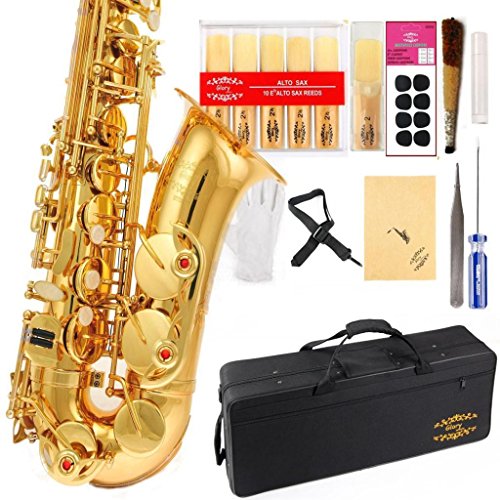
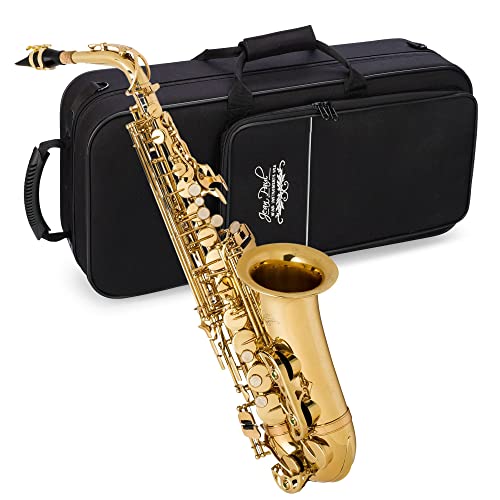

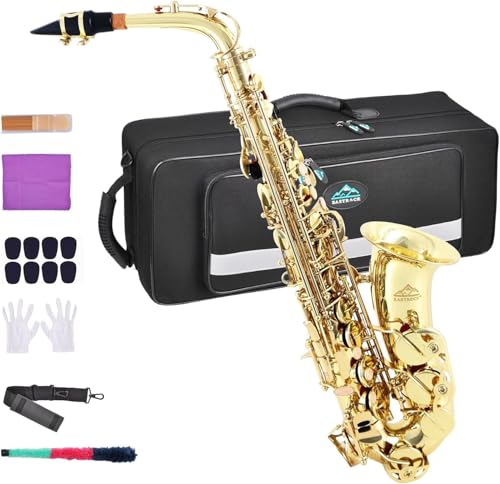
As an Amazon Associate we earn from qualifying purchases at no extra cost to you. Ratings are shown as listed on Amazon.
Choose the Saxophone Type First
| Saxophone | Typical length | Typical weight | Best suited to | Common trade-off |
|---|---|---|---|---|
| Soprano | About 68–72 cm | 1.2–1.5 kg | Experienced players, jazz, doubling | More demanding intonation and embouchure |
| Alto | About 75–82 cm | 2.4–2.8 kg | Beginners, school bands, general use | Less low-end depth than a tenor |
| Tenor | About 90–98 cm | 3.2–3.8 kg | Jazz, rock, adult beginners | Needs more air and costs more to carry |
| Baritone | About 120–135 cm | 5.5–6.5 kg | Low-register ensemble parts and professionals | Large, expensive, and physically demanding |
These are practical ranges rather than universal specifications; neck shape, bell design, case dimensions, and manufacturer tolerances can change the final figures. For a first instrument, alto is the safest default because it has moderate weight, manageable breath requirements, widely available lessons and music, and lower reed and case costs than tenor or baritone.
Alto
An alto saxophone is usually the best starting point for children, teenagers, and adults without previous wind-instrument experience. Its E-flat range works well in concert and school-band settings, and the instrument is small enough for most players to hold comfortably with a neck strap. The Yamaha YAS-280 is a particularly sensible beginner option, while the Jupiter JAS700 is another student-oriented alternative.
Tenor
A tenor in B-flat produces a deeper, more powerful sound and is a natural choice for jazz, blues, funk, and rock. Larger adults can begin on tenor if they already understand breath support or are strongly committed to its sound. Yamaha student and intermediate tenors, along with the Jupiter JTS series, are worth considering. Do not choose a tenor merely because it sounds impressive: the extra weight and air demand can slow a beginner’s progress.
Soprano and baritone
Soprano saxophones are compact but not automatically easier. The shorter bore makes pitch control more sensitive, so a soprano is usually better as a second instrument. Baritones provide the lowest common saxophone register but are expensive and cumbersome; beginners should generally rent one through a school or ensemble before buying.
Best Saxophones by Player Situation
| Player situation | Most suitable choice | Why | General new-instrument budget |
|---|---|---|---|
| Child or first-time student | Alto student model | Moderate size, forgiving response, affordable maintenance | About $700–$1,500 |
| Adult beginner wanting jazz or rock | Alto or tenor student model | Choose alto for comfort or tenor for its lower sound | About $700–$2,000 |
| Dedicated school musician | Intermediate alto | Improved key adjustment and longer upgrade lifespan | About $1,500–$3,000 |
| Advanced classical or jazz student | Professional alto or tenor | More consistent intonation, response, and customization options | About $2,500–$6,000 |
| Working professional | Professional model matched to genre | Ergonomics and tonal identity justify the higher cost | About $3,000–$10,000+ |
Prices vary substantially by country, finish, dealer setup, and whether the instrument is new or used. A used professional saxophone can be an excellent value, but only after inspection by a saxophone technician.
Keywork, Materials, and Playability
Most modern saxophones use a brass body with lacquer, plated, or bare-metal finishes. The finish affects appearance and can slightly influence feel and response, but it does not automatically determine sound quality. More important are accurate tone holes, firm solder joints, smooth key movement, and a neck that fits securely without excessive looseness.
Look for adjustable thumb rests, a comfortable left-hand palm-key layout, low C-sharp adjustment, and a front F key. Beginner instruments may omit some advanced features or use simpler mechanisms, but the essential keywork should operate quietly and evenly. Professional models often add a high F-sharp key, refined octave mechanisms, more extensive adjustment options, and hand-finished components.
Engraving, special lacquer colors, and solid-silver necks can raise the price. They may appeal to an experienced player seeking a specific response, but they are not substitutes for good regulation. A standard yellow-brass instrument with reliable keywork is usually a better beginner purchase than a visually elaborate saxophone from an unknown manufacturer.
Models worth comparing
- Yamaha YAS-280: A widely used alto student model with ergonomic keywork, a relatively light feel, and a neck designed to help new players produce a stable response.
- Jupiter JAS700: A student alto alternative with practical ergonomics and a traditional brass construction.
- Yamaha YAS-480: An intermediate alto with a more advanced neck and keywork layout, suitable for students likely to continue for several years.
- Yamaha YAS-62: A professional-level alto with strong consistency and broad use across classical, jazz, and contemporary settings.
- Yanagisawa AWO1: A professional-style bronze-brass alto option known for careful manufacturing and a distinct tonal character.
- Selmer Paris Axos: A professional-oriented alto associated with Selmer’s traditional design approach and a focused playing feel.
For tenor players, compare equivalent student, intermediate, and professional lines rather than assuming an alto model will translate directly. Yamaha, Jupiter, Selmer Paris, and Yanagisawa all offer tenor instruments at different levels. The best tenor is the one whose neck, palm keys, octave key, and low-register resistance suit the player’s hands and air support.
What Should Be Included?
A useful package should include a fitted case, neck strap, mouthpiece, ligature, mouthpiece cap, cleaning swab, neck-cleaning brush, and cork grease. Some packages include a few reeds, but reeds are consumables rather than a lasting benefit. A supplied mouthpiece may be adequate for starting, yet many players eventually replace it with a consistent model from a specialist maker.
Be cautious with very low-priced kits that advertise many extras. A tuner, stand, and polishing cloth are convenient, but none compensates for leaking pads or badly aligned keys. If buying online, prioritize a seller that performs inspection and adjustment before shipment and offers a meaningful return period.
Ownership Costs and Maintenance Reality
Reeds are usually the first recurring expense. A beginner may use several reeds each month while learning proper wetting, storage, and embouchure technique. Pads, springs, corks, felts, and key guards wear gradually. A routine adjustment may cost roughly $100–$250, while a more extensive overhaul can cost several hundred dollars or more depending on the saxophone and local labor rates.
After every playing session, run a body swab through the instrument, use a separate neck swab, and leave the case open briefly if condensation is heavy. Wipe fingerprints from the keys and body with a soft cloth. Do not push a wet swab through the saxophone repeatedly without washing it, and never store the instrument with a reed left on the mouthpiece.
A practical maintenance schedule
- After each session: Remove the reed, dry the mouthpiece, swab the neck and body, and check for sticky keys.
- Weekly: Inspect the neck cork, tighten only visibly loose screws if you know the correct procedure, and examine pads for dirt.
- Every few months: Have a teacher or technician check leaks, octave-key operation, and low-note response if the instrument feels different.
- Annually: Schedule professional cleaning and adjustment for regular players, especially before auditions, examinations, or performances.
A common mistake is forcing keys that do not close. The cause may be a bent guard, a swollen pad, or a small leak elsewhere; extra pressure can make the repair more expensive. Another mistake is polishing lacquer aggressively, which can remove finish without improving playability.
Final Buying Advice
For the majority of beginners, buy or rent a reputable alto student model and budget for lessons, a better mouthpiece only when needed, and regular adjustment. Choose tenor when its sound is central to your goals and the instrument feels physically comfortable. Move to an intermediate or professional model when your current saxophone limits intonation, key access, response, or reliability—not simply because a more expensive finish looks appealing.
Before committing, play long notes across the full range, test low C through low B-flat, check that palm keys do not strain the hand, and inspect the case and neck fit. If buying used, arrange a technician’s evaluation. Those steps reveal more about value than branding alone and help ensure that the saxophone remains enjoyable after the initial purchase.

Write Your Review
No reviews yet. Be the first to share your experience!