

Key takeaways
- Best Sneakers for Men for Everyday Comfort and Style The best sneakers for men depend on where you will wear them: choose a balanced walking sneaker for commuting and casual use, a softer high-cushion model for long days on your…
Best Sneakers for Men for Everyday Comfort and Style
The best sneakers for men depend on where you will wear them: choose a balanced walking sneaker for commuting and casual use, a softer high-cushion model for long days on your feet, and a stable training shoe when workouts matter more than street style.
Quick picks by everyday situation
| Situation | Best type | Strong option | Why it fits the use | Typical price range |
|---|---|---|---|---|
| Daily walking and commuting | Balanced cushioned road sneaker | Nike Pegasus 41 | Responsive foam, practical rubber coverage, versatile styling | $130–$150 |
| Maximum comfort for long days | High-cushion walking or running sneaker | ASICS GEL-Nimbus 27 | Plush underfoot feel and breathable engineered mesh | $160–$180 |
| Casual wear with a premium look | Retro running sneaker | New Balance 990v6 | Supportive construction, durable materials, easy wardrobe pairing | $200–$220 |
| Gym sessions and mixed training | Stable cross-training sneaker | Reebok Nano X5 | Firm platform for lifting and flexible forefoot for conditioning | $140–$160 |
| Soft cushioning with a simple silhouette | Lightweight cushioned sneaker | HOKA Clifton 10 | Low-weight foam cushioning and a rocker-shaped transition | $150–$160 |
Prices are general manufacturer and market ranges and can change with color, season, and discounts. Weight and fit also vary by size.
Our top picks


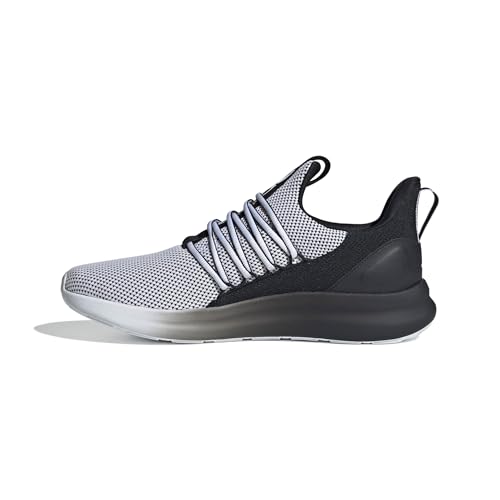

As an Amazon Associate we earn from qualifying purchases at no extra cost to you. Ratings are shown as listed on Amazon.
Head-to-head: the leading choices
Nike Pegasus 41: the best all-rounder
The Pegasus 41 is a sensible starting point for men who want one pair for walking, commuting, errands, travel, and occasional easy runs. Its dual-foam midsole aims for a balance between cushioning and response rather than an especially soft or especially firm ride. The engineered-mesh upper improves airflow, while the traditional lace closure makes fit adjustments simple.
Its main advantage is versatility. The outsole has enough rubber for pavement and light wet-weather walking, and the shape looks less specialized than many maximal-cushion running shoes. It is not the best choice for heavy lifting, technical trails, or men who need a very wide forefoot. The standard fit is usually more secure than spacious, so wide-footed shoppers should look for an available wide version or compare the toe box carefully.
ASICS GEL-Nimbus 27: the comfort specialist
The GEL-Nimbus 27 prioritizes a soft, protective feel for long walks, travel days, and prolonged standing. It uses a high-stack midsole with FF BLAST PLUS ECO cushioning and an engineered-knit or mesh upper, depending on the specific version and market. The substantial foam can reduce the harshness of hard sidewalks, but it also makes the shoe feel less nimble during quick lateral movements.
Choose it when cushioning is the deciding factor. Avoid it for barbell training or court sports, where a tall, soft platform can feel less stable. It is also visually more athletic than a classic lifestyle sneaker.
New Balance 990v6: the style-and-build choice
The 990v6 combines mesh with suede and synthetic overlays, giving it a more structured appearance than an all-mesh running shoe. It works particularly well with jeans, chinos, workwear, and casual trousers. The FuelCell-based midsole supplies noticeable cushioning without making the shoe look oversized.
The 990v6 is available in a broad size range and multiple widths, which is valuable for men who struggle with narrow standard sneakers. The trade-off is price and weight: layered upper materials cost more and can feel warmer than lightweight mesh. Suede also needs more care around heavy rain, mud, and salt-covered winter sidewalks.
Reebok Nano X5: the workout-first option
The Nano X5 is designed for mixed gym sessions that combine strength work, conditioning, and short bursts of movement. Compared with a soft running sneaker, its platform is firmer and more stable for squats, deadlifts, machines, and general weight training. The upper is built to handle repeated flexing and gym contact.
It can work for casual wear, but its training-oriented shape is less natural for long pavement walks than the Pegasus or Clifton. If your everyday use is mostly commuting and your workouts are occasional, a general-purpose sneaker will be more comfortable overall.
HOKA Clifton 10: the lightweight cushioning option
The Clifton 10 uses a thick foam midsole and a rocker-like geometry that encourages a smooth heel-to-toe transition. It is a useful choice for men who want substantial cushioning without moving to one of the heaviest high-stack shoes. The upper is generally more breathable than leather or suede lifestyle sneakers.
The rocker shape can feel unusual for the first few wears, especially if you prefer a flat, flexible sneaker. Its elongated running-shoe profile also makes it harder to style with formal-casual clothing than the 990v6.
What to compare before buying
Cushioning and stability
Soft foam feels comfortable during walking, but softness is not the same as support for every activity. A high-cushion running shoe is usually appropriate for pavement, travel, and standing. A firmer, lower-feeling platform is preferable for weight training and exercises involving side-to-side movement. For daily use, a middle ground tends to be easiest to live with.
Fit and sizing
Measure both feet at the end of the day, when they are typically at their largest. Use the larger measurement, wear the socks you expect to use, and leave approximately 10–15 mm between your longest toe and the front of the shoe. Your heel should stay planted when walking, while your toes should be able to spread without pressure on the sides.
Do not size up automatically to gain toe room. Excess length can make the foot slide forward and create heel rubbing. If the length is correct but the forefoot is cramped, look for a wide width rather than adding a larger size.
Materials and breathability
Engineered mesh and knit uppers usually ventilate better and dry faster than leather, suede, or heavily padded synthetic uppers. Suede and leather provide a more polished appearance and can last well with care, but they are less suitable for hot, wet commutes. If you walk near water, fish, or work outdoors, prioritize quick-drying mesh and a rubber outsole over fashion materials that absorb moisture.
Traction
Look for rubber covering the heel and forefoot, with grooves that can flex without becoming completely smooth. Road sneakers generally grip dry pavement well, but they are not substitutes for non-slip work shoes on wet decks, algae-covered surfaces, oily floors, or technical trails. A lifestyle sneaker with a flat rubber sole may look clean but can be noticeably less secure in rain.
Durability
The first visible wear usually appears on the outsole at the heel or outer forefoot, followed by compression creases in the midsole and stretching around the eyelets. An upper can look presentable even after the cushioning has lost its original resilience. For frequent walking, many men should expect to assess a sneaker around 500–800 miles of use, although body weight, gait, surfaces, rotation, and construction can move that figure substantially lower or higher.
A simple decision matrix
| Your priority | Choose | Accept the trade-off |
|---|---|---|
| One pair for most activities | Balanced road sneaker such as Pegasus 41 | It will not be ideal for heavy lifting or formal outfits |
| Maximum softness and long walking days | High-cushion model such as GEL-Nimbus 27 | Less agile and more visibly athletic |
| Wide sizes and casual styling | Structured retro runner such as 990v6 | Higher cost and less ventilation |
| Frequent gym training | Cross-trainer such as Nano X5 | Not as comfortable for long-distance walking |
| Lightweight, rocker-style cushioning | Clifton 10 | The geometry may require an adjustment period |
How to make sneakers last longer
- Rotate two pairs when possible. Allowing the foam and lining to recover between wears can reduce constant compression and lets one pair dry fully.
- Untie the laces before removing the shoes. Stepping on the heel can deform the counter and loosen the fit.
- Remove loose dirt with a soft brush, then clean mesh with mild soap, cool water, and a cloth. Avoid bleach and high heat.
- Air-dry away from radiators, dryers, and direct intense sunlight. Heat can distort foam, adhesives, and synthetic overlays.
- Replace them when the outsole is worn smooth, the midsole feels permanently flat, or the upper can no longer hold the foot securely.
For most men, the best sneakers for men are not the softest or most expensive pair. They are the pair whose fit, traction, cushioning, and appearance match the largest part of the week. Start with the Pegasus 41 for broad everyday use, move to the GEL-Nimbus 27 or Clifton 10 for cushioning, choose the 990v6 for premium casual versatility, and select the Nano X5 when training stability is the priority.

Write Your Review
No reviews yet. Be the first to share your experience!