

Key takeaways
- Strengths: low weight, a good size range from 500 to 4000, and a drag figure the maker lists at up to 33 lb on the largest size.
- Limits: the line stops at size 4000, so it will not cover heavy saltwater work, and it costs more than the Viper X, according to the maker’s own comparison.
- Drag note: a retailer listing for the Carbon X shows modest drag on small sizes and much higher drag on the largest, so choose the size for the fish, not for the headline number.
For most anglers who want a dependable spinning reel without a big spend, the Piscifun Viper X is the practical all-rounder, the Carbon X suits anglers who care most about low weight over long casting sessions, and the Flame is the simplest budget option for casual freshwater trips. Piscifun is a value-focused brand, so the real question is which of its three best-known spinning lines matches your rod, line and target species. This guide compares the maker’s stated specifications and what independent reviewers say about them.
Our top picks


As an Amazon Associate we earn from qualifying purchases at no extra cost to you.
Quick Comparison of the Main Piscifun Spinning Reels
All figures below come from the maker’s published comparison and from reviewer spec tables. Sizes and weights vary within each line, so always read the numbers for the exact size you plan to buy.
| Reel | Sizes | Stated weight range | Gear ratio | Max drag (stated) | Body | Best for |
|---|---|---|---|---|---|---|
| Carbon X | 500 to 4000 | 5.1 to 9.6 oz | 5.2:1 or 6.2:1 | Up to 33 lb | Carbon fiber body, rotor and side plate | Light finesse and all-day casting |
| Viper X | 500 to 5000 | 5.4 to 10.9 oz | 5.2:1 or 6.2:1 | Up to 33 lb | Graphite frame and rotor | Versatile everyday use, widest size range |
| Flame | Several sizes | About 8.9 oz in the size one reviewer compared | 5.2:1 | Up to 19.8 lb | Graphite | Entry-level freshwater fishing |
Piscifun lists 10+1 ball bearings for both the Carbon X and Viper X. A reviewer who compared the Viper X and Flame lists 9+1 bearings for the Flame. Bearing counts are marketing numbers and do not guarantee smoothness by themselves, but they help when comparing reels within one brand.
Carbon X: Lightweight Choice
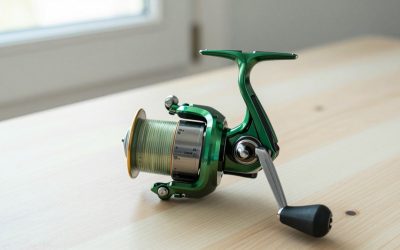
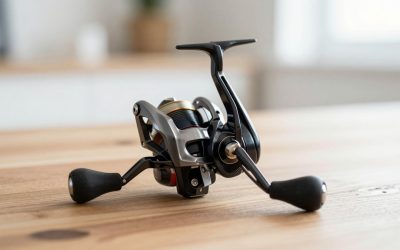
The Carbon X is the line that Piscifun markets around weight. The maker lists an all-carbon-fiber body, rotor and side plate, and a weight range of 5.1 to 9.6 oz depending on size. Reviewers who have written about it, including the Let’s Go Bass Fishing site, describe it as a lightweight reel built for long days on the water.
A lighter reel matters most on ultralight and light rods. When a small reel balances at the reel seat, the rod tip stays responsive and your wrist tires less after hundreds of casts. That is why the Carbon X makes sense for trout, panfish, crappie and finesse bass rigs.
- Strengths: low weight, a good size range from 500 to 4000, and a drag figure the maker lists at up to 33 lb on the largest size.
- Limits: the line stops at size 4000, so it will not cover heavy saltwater work, and it costs more than the Viper X, according to the maker’s own comparison.
- Drag note: a retailer listing for the Carbon X shows modest drag on small sizes and much higher drag on the largest, so choose the size for the fish, not for the headline number.
Viper X: Value and Range
The Viper X covers sizes 500 to 5000, which is one more size than the Carbon X, and the maker lists a weight range of 5.4 to 10.9 oz. It uses a graphite frame and rotor. Piscifun positions it as an everyday reel at an accessible budget tier, and truwildlife, a reviewer that compared it with the Carbon X and Flame, treats it as the stronger all-round choice among the group.
The extra size is useful. Size 5000 gives more line capacity for larger inshore fish, surf casting from a pier or heavier freshwater species like pike and catfish. The Viper X is also the better fit for anglers who own several rods and want a consistent reel family across sizes.
- Strengths: broad size range, two gear ratios, and a lower cost than the Carbon X.
- Limits: a graphite body is heavier than carbon fiber at similar sizes, so it is less ideal on ultralight setups.
Flame: The Budget Entry
The Flame is the simplest of the three. Reviewers list a 5.2:1 gear ratio and a drag that tops out at 19.8 lb. It suits anglers fishing ponds, rivers and small lakes for bass, panfish and trout. It makes sense as a first reel or as a spare for a travel rod.
Its limit is headroom. If you move to heavier line or bigger fish, the lower drag and smaller size options may leave you wanting a Viper X. Treat the Flame as a good starting reel, not a long-term tool for varied conditions.
How to Match a Reel Size to a Rod and Line
Spinning reel sizes follow a loose industry convention, though makers vary. These guidelines are common among reviewers, and the reel’s spool markings and manual give the exact line capacity.
| Reel size | Typical use | Line pairing |
|---|---|---|
| 500 to 1000 | Ultralight trout, panfish, small creek fishing | Light monofilament, fluorocarbon or fine braid |
| 2000 to 2500 | General freshwater, finesse bass, light inshore | Mid-weight mono or braid |
| 3000 | All-rounder for bass, walleye, light saltwater | Braid with a fluorocarbon leader |
| 4000 to 5000 | Larger fish, surf, pier, heavier inshore | Heavier braid or strong monofilament |
Gear Ratio: 5.2:1 or 6.2:1
A 5.2:1 ratio gives more cranking power and a slower retrieve. That helps when pulling deep-diving crankbaits or fighting a strong fish. A 6.2:1 ratio retrieves line faster, which is helpful when working topwater lures, picking up slack quickly or keeping contact with a running fish. Anglers who fish a wide mix of lures often choose 6.2:1 because it is easy to slow down the retrieve by turning the handle more gently.
Drag and Saltwater Use
Maximum drag figures are measured under ideal conditions and are higher than the pressure you should use in practice. A common guideline is to set drag at roughly a quarter to a third of the line’s breaking strength. Read the maker’s manual for the line rating of each reel.
For saltwater, rinse the reel with fresh water after each trip, avoid submerging it, and loosen the drag when storing. Piscifun markets some models toward saltwater use, but sealed or fully corrosion-resistant construction should be confirmed on the maker’s page for the exact reel size before you commit to repeated salt exposure.
Pick This If…
| Pick | If you want |
|---|---|
| Carbon X | The lightest option for ultralight and finesse rods, and long days of casting |
| Viper X | A flexible reel family from 500 to 5000 at a lower budget tier than the Carbon X |
| Flame | A first reel or backup for light freshwater use |
| Viper X 4000 or 5000 | More line capacity for bigger fish or surf and pier work |
Care Tips to Make a Budget Reel Last
- Wipe the reel after each outing and avoid storing it wet.
- Back off the drag knob before storage so the washers do not compress.
- Add a drop of reel oil to the handle knob and bail arm roller occasionally, following the manual.
- Do not spray strong solvents on the body or the line roller.
- Replace line each season. Old line adds friction and reduces casting distance.
Alternatives Worth Considering
If Piscifun lacks something you need, several other makers cover the same space. Reviewers often point to Shimano and Daiwa for longer-lasting mid-range spinning reels, Penn for saltwater-focused spinning, and Okuma or KastKing as other value-oriented brands. These options generally sit at similar or somewhat higher budget tiers, and the right choice depends on whether you need sealing, a specific size or strong service support. A well-matched budget reel with fresh line often outperforms a mismatched expensive one, so compare sizes and capacities first.
Frequently Asked Questions
Is Piscifun a good brand for beginners?
Reviewers generally describe Piscifun as a value-focused brand that offers decent specifications at a modest budget tier. For beginners, the Viper X or Flame provides a workable introduction to spinning gear. As with any budget reel, expect to replace it sooner than a premium reel if you fish heavily.
What is the difference between the Carbon X and Viper X?
According to the maker, the Carbon X uses an all-carbon-fiber body, rotor and side plate, while the Viper X uses a graphite frame and rotor. The Carbon X is lighter and tops out at size 4000. The Viper X offers a broader size range up to 5000 and usually costs less.
Which size should I buy for bass fishing?
Many bass anglers choose a 2000 to 3000 size for finesse and general use. A 3000 handles most line and lure combinations, while a 2000 suits lighter rods. Match the size to the rod’s line rating listed near the handle.
Can I use a Piscifun reel in saltwater?
Some anglers do, particularly on piers and inshore trips, but a budget reel needs diligent rinsing and drying. Check the maker’s page for each model’s stated suitability, and avoid dunking the reel. Heavy or frequent saltwater use usually calls for a reel with sealing designed for that environment.
Should I choose a 5.2:1 or 6.2:1 gear ratio?
Choose 5.2:1 for slower retrieves and more cranking power, such as with deep crankbaits and heavier lures. Choose 6.2:1 if you want faster pickup for topwater lures, jigs or active fish. If you want only one reel for mixed fishing, 6.2:1 is a popular choice because you can retrieve slowly by turning the handle gently.
How do I set the drag on a spinning reel?
Thread the line through the rod, tie it to a fixed object or scale, and pull the rod to feel when the drag slips. A common starting point is around a quarter to a third of the line’s breaking strength. Adjust it for conditions, and follow the reel’s manual for details.
More from Amazon
Programs that pair well with the guide above. Offers and eligibility are set by Amazon and may change.
Free shipping on eligible items, Prime Video and more. Eligible new members can start with a free trial.
Start a Prime free trialA Prime membership for ages 18-24 with a trial period. Eligibility is set by Amazon.
See Prime for Young AdultsAudiobooks and podcasts to listen to on the go. Eligible new members can start with a free trial.
Try Audible freeAd-free music streaming. Eligible new subscribers can start with a free trial.
Try Music Unlimited freeAs an Amazon Associate we earn from qualifying purchases.





Write Your Review
No reviews yet. Be the first to share your experience!