

Key takeaways
- Choose a casting model for jigs, crankbaits, frogs and swimbaits, where you set hooks hard and want line control.
- Choose a spinning model for lighter lures, drop-shot rigs and finesse presentations.
- Match power and action to the lure: moderate-fast for treble-hook crankbaits, fast or extra-fast for jigs and single-hook baits.
For most serious freshwater anglers, the G. Loomis GLX or IMX-PRO series is the sensible place to start, NRX+ and Conquest suit buyers who want the maker’s most sensitive blanks and accept premium pricing, and E6X is the entry door for anglers who want the Loomis name on a tighter budget. The brand is known for graphite blanks built in the Pacific Northwest, and it is now part of Shimano. This guide explains how the series line up, what reviewers say about each, and how to match a rod to a technique before spending serious money.
Quick Answer: Which G. Loomis Series Fits Which Angler
G. Loomis sells rods for bass, walleye, inshore, salmon and steelhead, and fly fishing. The names below are the series that come up most often in reviewer guides. Tier descriptions come from third-party summaries such as Angler Archive and from retailer listings, so treat them as a reader’s map rather than a maker promise. The maker’s own pages list the current technique-specific models inside each series.
| Series | Positioning | Best for | Main limit |
|---|---|---|---|
| NRX+ | Premium, sensitivity-focused | Anglers who want maximum feedback for jigs, finesse and inshore work | Premium budget tier |
| Conquest | Premium, built on Shimano Spiral-X and Hi-Power X construction | Buyers who want refined, high-end performance | Premium budget tier |
| GLX | Performance tier, multi-taper high-modulus graphite | Serious bass and walleye anglers who fish specific techniques | Still a big spend compared with mainstream rods |
| IMX-PRO | Mid-range in the Loomis lineup | Technique-focused anglers who want durability and a lower cost of entry than GLX | Less refined feel than the tiers above, according to reviewers |
| E6X | Value entry point | Anglers upgrading from mid-range rods | Narrower model range |
| Asquith | Fly-fishing flagship | Fly anglers chasing top-end performance | Top-shelf budget tier, fly only |
NRX+ and Conquest: The Premium End
NRX+ is described by reviewers as one of the most sensitive rod lines available, with lightweight, fast-action blanks made of high-modulus graphite. It is the evolution of the earlier NRX family, and the maker’s range includes fly versions, inshore spinning models and technique-based casting rods. The fly side includes an LP (Light Presentation) model aimed at delicate trout work and a standard version for all-round power, according to a fly-gear review site.
Conquest sits at the same premium level. Angler Archive notes that it uses Shimano’s Spiral-X and Hi-Power X technologies, which wrap or reinforce the blank to resist twisting under load. The practical meaning for a buyer is a rod that stays composed when a heavy fish pulls hard or a lure is cast repeatedly.
Who benefits from this tier? Anglers who fish all day with light jigs, drop-shot rigs or small baits and need to feel subtle bites through braid will notice the difference most. Occasional weekend anglers may not use enough of that sensitivity to justify the premium budget. If a rod will mostly sit in a boat locker, a lower tier is the better value.
GLX: The Series Many Serious Anglers Land On
Angler Archive calls GLX the sweet spot for most serious bass anglers, and that matches how the series is organized. It uses high-modulus graphite with multi-taper construction and is split into technique-specific models. The maker’s range includes GLX Mag Bass casting rods, a GLX spinning jig model and GLX walleye rods.
The appeal of GLX is balance. Reviewers describe it as sensitive enough for jigs, drop-shotting and jerkbaits while being tougher than the lightest premium blanks. For an angler who wants one excellent rod for a favorite technique rather than a full rack, GLX is the logical stopping point.
- Choose a casting model for jigs, crankbaits, frogs and swimbaits, where you set hooks hard and want line control.
- Choose a spinning model for lighter lures, drop-shot rigs and finesse presentations.
- Match power and action to the lure: moderate-fast for treble-hook crankbaits, fast or extra-fast for jigs and single-hook baits.
IMX-PRO: Mid-Range Technique Rods
IMX-PRO is the series reviewers point to when a buyer wants dedicated technique rods without the GLX outlay. Shimano Canada lists new-for-2026 IMX-PRO salmon rods in trolling, BC/mooch and float versions, and a major tackle retailer lists a 2026 release of IMX-PRO bass casting rods for bladed jigs, crankbaits, jerkbaits and lipless baits. That tells you the series is being actively developed and is aimed at specialist uses.
For anglers who fish several techniques, IMX-PRO often makes more sense than buying one premium rod. Three well-matched IMX-PRO rods can cover crankbaits, jigs and jerkbaits for the cost of fewer top-tier rods. The trade-off, per reviewers, is a slightly less refined feel and weight compared with GLX and above.
E6X: The Entry Point
E6X is the value-oriented series. It uses high-modulus graphite and is aimed at anglers moving up from mid-range rods who want the brand’s blank quality at a gentler spend. The model range is narrower, and some listings were still marked as coming soon in the guide reviewed, so confirm availability for the technique you need on the maker’s pages before planning around it.
Budget Tiers at a Glance
| Budget tier | Series to look at | What you gain | What you give up |
|---|---|---|---|
| Value | E6X | Loomis blank quality in a lower-cost package | Fewer models, less refined feel |
| Mid-range | IMX-PRO | Technique-specific rods with solid durability | Some sensitivity versus higher series |
| Upper mid-range | GLX | Balance of sensitivity and toughness | Costs well above general-market rods |
| Premium | NRX+, Conquest | Top sensitivity, lightest and most refined blanks | Highest spend, easy to over-buy |
How to Choose Length, Power and Action
A good rod on paper can still fish badly if the specifications do not fit the lure and line. Use these checks before you pick a series.
- Start with the lure weight range. Every rod lists a recommended lure weight. Staying inside it protects the blank and improves casting.
- Pick power for the cover. Heavy power helps pull fish from thick vegetation. Medium-light and medium suit finesse work in open water.
- Pick action for the hook set. Fast and extra-fast actions move the bend toward the tip for quick hook sets. Slower actions load deeper, which helps with treble-hook baits that need fish to hook themselves.
- Pick length for casting needs. Longer rods cast farther and help with line control. Shorter rods are easier to handle in tight spots and when skipping lures under docks.
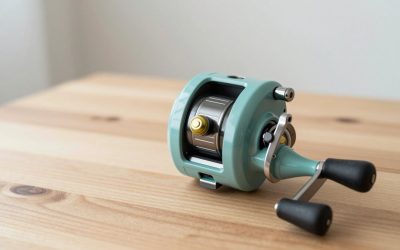
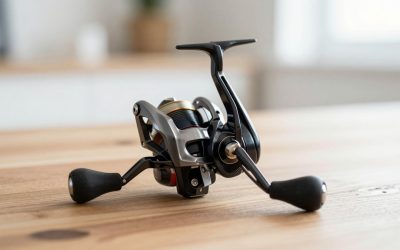
- Match the reel and line. A casting rod pairs with a baitcasting reel, a spinning rod with a spinning reel. Lighter line suits lighter rods.
Care and Handling Notes
Graphite rods are strong along the blank but sensitive to sharp impacts. Reviewers repeatedly warn about car doors, tailgates and boat lids. A few habits help any premium rod last.
- Use a rod sleeve or tube during transport.
- Rinse after saltwater use, especially around guides and reel seats.
- Avoid high-sticking, where a heavy fish loads the very tip of the rod.
- Do not lift heavy fish by the rod. Use a net or landing tool.
- Read the maker’s warranty terms before purchase, since coverage details vary by product and region.
Pick This If You Want…
| Pick this series | If you want |
|---|---|
| NRX+ | The most sensitive Loomis option for jigs, finesse presentations or inshore spinning |
| Conquest | High-end construction with Spiral-X reinforcement for long days and big fish |
| GLX | One excellent technique rod without paying for the very top tier |
| IMX-PRO | Several technique rods at a manageable cost, including salmon and bass models |
| E6X | An introduction to the brand without a premium spend |
| Asquith | A top-shelf fly rod for freshwater or saltwater |
Alternatives Worth Considering
If Loomis pricing is more than the use justifies, several other makers offer comparable technique-specific rods. Reviewers often mention St. Croix, Fenwick and Shimano’s own rod lines, along with Daiwa, Abu Garcia and Okuma at lower budget tiers. St. Croix is a US maker with strong mid-range and premium options, and Shimano rods share some technology with Loomis because of the corporate link. A well-chosen mid-range rod paired with a good reel and fresh line often beats a premium rod paired with weak components.
- St. Croix: broad range and a US build for many models.
- Shimano: access to similar blank technology at a variety of budgets.
- Daiwa and Abu Garcia: good value picks for anglers who fish several techniques casually.
Common Mistakes When Buying a Loomis Rod
The most common error is buying a premium rod before settling on a technique. A rod built for jerkbaits will feel wrong for heavy jigs. Second, many buyers pair a high-end rod with a budget reel, which wastes the rod’s sensitivity. Third, some skip the rod length and action details because the series name feels like a quality guarantee. Read each model’s listed specifications, which the maker publishes in its rod charts, before choosing.
Frequently Asked Questions
Is a G. Loomis rod worth the extra spend?
It depends on how often and how seriously you fish. Reviewers say the main gains are sensitivity, low weight and refined construction. Anglers who fish several days a week and rely on bite detection tend to notice them most, while casual anglers may find a mid-range rod serves them just as well.
Which Loomis series is best for bass fishing?
Many reviewers place GLX at the center of the bass lineup, with IMX-PRO as the more accessible option and NRX+ as the top-end choice. Technique-specific models exist for jigs, crankbaits, jerkbaits and lipless baits. Pick the model that matches your most-used lure instead of the series name alone.
What is the difference between GLX and IMX-PRO?
Third-party guides describe GLX as the performance tier with multi-taper high-modulus graphite and IMX-PRO as a more accessible mid-range series. In practice, GLX is described as more refined, while IMX-PRO prioritizes durability and a lower entry cost. The maker’s rod charts list the exact specifications for each model.
Are G. Loomis rods made in the United States?
The brand’s fly-rod blanks in the Asquith series are reported to be rolled at Shimano’s facility in Japan and finished in Woodland, Washington. Other series may differ by model. Check each product page for the maker’s current country-of-origin statement.
Can I use a premium rod for saltwater?
Some Loomis series, including NRX+ inshore spinning models and saltwater fly rods, are designed for salt use. Rinse the rod and reel with fresh water after each trip and dry them before storage. Always follow the care instructions in the maker’s manual.
What should I buy first if I am new to Loomis?
Choose one technique you fish most, then look at the E6X or IMX-PRO models for that technique. If you later feel limited by feedback or weight, step up to GLX. This path avoids paying premium prices before you know which length and action you prefer.
More from Amazon
Programs that pair well with the guide above. Offers and eligibility are set by Amazon and may change.
Free shipping on eligible items, Prime Video and more. Eligible new members can start with a free trial.
Start a Prime free trialA Prime membership for ages 18-24 with a trial period. Eligibility is set by Amazon.
See Prime for Young AdultsAudiobooks and podcasts to listen to on the go. Eligible new members can start with a free trial.
Try Audible freeAd-free music streaming. Eligible new subscribers can start with a free trial.
Try Music Unlimited freeAs an Amazon Associate we earn from qualifying purchases.




Write Your Review
No reviews yet. Be the first to share your experience!