

Key takeaways
- Every kayak takes on water eventually. A wave over the bow, a drip from a hatch, a wet-exit re-entry.
Every kayak takes on water eventually. A wave over the bow, a drip from a hatch, a wet-exit re-entry, or a sudden rain shower can leave a few gallons sloshing around your feet, and a sit-in kayak that is half full handles badly. A manual bilge pump is the small, boring piece of safety gear that keeps a minor annoyance from turning into a rescue. The decision for most buyers is simple: how long should the pump be, how will it be stored, and does it float if it slips out of your hands?
This guide is for paddlers and fishing kayakers who want a pump they can reach quickly from the seat. We narrowed the listings to six hand pumps and compared them only by the facts in the titles: length, hose design, floating ability, and extras like whistles. Several titles are partly cut off or vague, so we mention where to confirm details on the listing. Use this as a 2026 shortlist, then think about where the pump will ride on your boat.
Quick Picks
Our top picks




As an Amazon Associate we earn from qualifying purchases at no extra cost to you.
| Product | Best for | Key spec from the title |
|---|---|---|
| Calvana Manual Bilge Pump | Paddlers who want a whistle included | 18 inch, reversible hose, emergency whistle, floating |
| HIKULA Manual Bilge Pump | Compact siphon-style kit | Medium 17 inch, reversible hose, yellow |
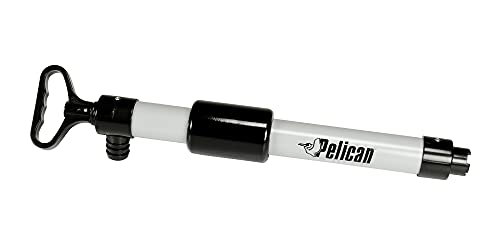
| Pelican Paddlers Bilge Pump | Brand-name kayak and canoe use | Floating hand pump, hose evacuation |
| Manual Bilge Pump (Green) | Simple budget siphon pump | 17 inch, reversible hose, siphon style |
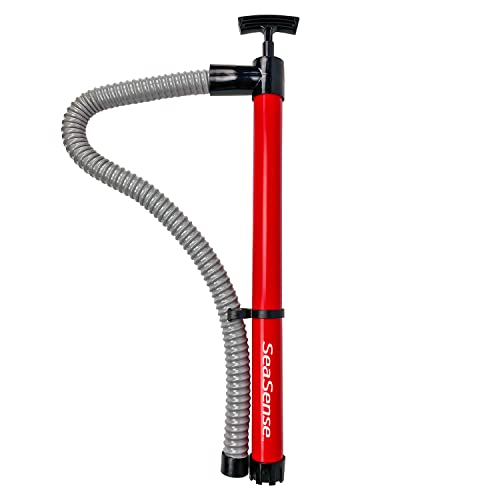
| SeaSense Hand Bilge Pump | Small boats with real water removal needs | 18 inch, self-priming |
| QWORK Bilge Pump | Emergency dewatering on a budget | Reversible hose, hand operated |
How to Choose
Pump length and storage
The pump must fit where you can reach it. Lengths around 17 to 18 inches are typical for kayaks, long enough to push a useful volume with each stroke but short enough to slide under a deck bungee or into a cockpit pocket. Longer 30-inch plus pumps move more water but are awkward for sit-on-top fishing kayaks. Measure the storage space on your boat, and make sure the pump can be stowed so that it does not catch your line or rod.
Hose design and discharge
Many pumps in this class use a reversible hose so the same pump can pull water in and push it out, or switch to a siphon function. Check the hose length too: a hose that is too short forces you to lift the pump over the side, while one that is too long can kink. Self-priming designs start moving water quickly without needing a manual fill, which is helpful in a rush. Ignore claims about huge gallons per minute unless the listing explains how that number is measured.
Floating and safety features
A pump that sinks is a pump lost. Floating designs, a bright color such as yellow, and a lanyard loop all reduce the odds of losing it in rough water. An emergency whistle built into a pump, as in the Calvana models, adds a second safety tool without more gear. Check that the handle is easy to grip when wet or cold, since gloves make small handles harder to use.
Materials and budget trade-offs
Plastic bodies are the norm and are perfectly adequate. The corner-cutting areas are plunger seals, hose connections, and handle strength. A cheap pump may crack in cold weather or leak around the seal. Rinse it after saltwater use, store it out of direct sun, and try it before each season by pumping a bucket. Consider a second pump for group trips or for riding in different boats.
Finally, practice matters as much as the pump. Spend five minutes on a calm day filling the cockpit with a little water and emptying it again, so that you know how many strokes it takes and where to hold the hose. That small rehearsal turns an emergency tool into a reflex.
The 6 Best Options
Calvana Manual Bilge Pump
The Calvana is an 18 inch portable hand pump with a reversible hose, an emergency whistle, and a floating design. It is meant for kayaks, canoes, and small boats, and suits a paddler who wants a single tool to remove water and signal for help. The whistle makes it attractive to beginners building a safety kit.
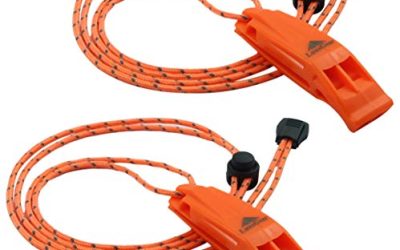
The whistle is worth thinking about as a pairing: a pump handles the water, while a whistle helps a nearby boater notice you when conditions turn. Clip both within reach of the seat so neither is buried under a dry bag.
- Strength: A floating body makes it easier to retrieve if dropped.
- Strength: The reversible hose and built-in whistle add flexibility and safety.
- Trade-off: Eighteen inches may be long for tight sit-in cockpits.
Skip it if your boat has little storage space or if you prefer a shorter, more compact model.
HIKULA Manual Bilge Pump
HIKULA’s pump is described as a medium 17 inch portable siphon pump with a reversible hose, in bright yellow. It is aimed at boats, kayaks, and canoes, and the siphon function is helpful when you can drain water from a hull to a lower point. The high visibility color helps you spot it in a cluttered cockpit.
Siphon-style pumps also work well for draining a dry hatch or a cooler after the trip, so a pump like this earns its place at home as well as on the water, as long as you rinse it afterward.
- Strength: Bright yellow makes it easy to find and see on the water.
- Strength: The reversible hose supports different pumping directions.
- Trade-off: The title does not mention floating, so add a lanyard or tether.
Skip it if you want a built-in whistle or a floating body.
Pelican Paddlers Bilge Pump
Pelican’s Paddlers Bilge is a floating hand pump for kayak, canoe, and boat water evacuation, with a hose included according to the title. It fits paddlers who prefer a familiar brand known in paddle sports and want a pump built specifically with paddlers in mind. The black and gray body keeps a low profile on the boat.
Floating pumps are easier to use in a capsize recovery, since you can set the pump down beside you for a moment without watching it drift away or sink.
- Strength: Floating construction makes it harder to lose.
- Strength: Brand recognition in paddle gear can make parts and support easier to find.
- Trade-off: The title provides few details on length or flow, so check the listing for dimensions.
Skip it if you need a pump with a built-in whistle or a very specific length.
Manual Bilge Pump (Green)
This generic green model is a 17 inch portable siphon pump with a reversible hose, described as a kayak bailer. It is the plain option: no whistle, no brand name, and no mention of floating. That keeps the listing simple and appeals to anglers who want a spare pump for a second boat or for the trunk.
A green body blends into the water and gear, so adding a bright strip of reflective tape or a colorful lanyard makes it much easier to find in a crowded cockpit.
- Strength: Compact length is easy to stow.
- Strength: Reversible hose matches many of the named-brand options.
- Trade-off: The title is light on details like floating, materials, and capacity, so confirm them.
Skip it if you want a recognized brand or the added safety features of other pumps.
SeaSense Hand Bilge Pump
SeaSense describes this as a self-priming manual bilge pump for water removal on small boats, kayaks, canoes, and any place water collects, at 18 inches. The self-priming feature is the draw, because it gets water moving quickly without extra steps. It suits boaters with a bit more water to move, including small skiffs and jon boats as well as kayaks.
Self-priming pumps are popular on small powerboats too, so this one may also suit anglers who share one pump between a kayak and a jon boat across the season.
- Strength: Self-priming design is faster to start in an emergency.
- Strength: Versatile enough for kayaks, canoes, and small boats.
- Trade-off: The title does not mention floating or a reversible hose.
Skip it if your cockpit is very tight or if you want an included whistle.
QWORK Bilge Pump
QWORK offers a manual bilge pump with a reversible hose for emergency dewatering, listed as a portable hand pump for kayaks. It is aimed at the budget buyer who wants a basic tool that can handle both emergency use and household tasks like draining a bucket. The reversible hose widens its uses.
At the low end of the market, it pays to try the pump in a bucket before the first trip, checking that the seal holds and the hose seats firmly on both ports.
- Strength: Reversible hose offers flexible use.
- Strength: Simple hand operation means no batteries to fail.
- Trade-off: The title is cut off, so confirm length, floating, and materials on the listing.
Skip it if you want the added assurance of a recognized paddling brand or a pump with built-in signaling.
Which One Fits Your Situation
You are building a first safety kit
The Calvana pump is a smart starting point because it floats and includes a whistle. Add a paddle leash and a personal flotation device and you have the core of a safety setup.
You want a trusted paddling brand
The Pelican Paddlers Bilge pump suits anglers who prefer a named product from a paddle-focused company. Confirm the dimensions before you buy.
You paddle a small boat that takes on more water
The SeaSense Hand Bilge Pump is a sensible pick for skiffs and canoes where self-priming speed matters. For sit-on-top kayaks that mostly shed water, any compact pump will do.
You need a second pump on a budget
The green generic pump or the QWORK offers a basic spare for a second boat. Add a lanyard so it does not sink.
Common Mistakes
- Packing the pump in a hatch you cannot reach from the seat.
- Choosing a model that sinks and failing to add a tether.
- Never practicing with the pump before a real emergency.
- Ignoring hose length, then struggling to reach over the side.
- Leaving the pump in direct sun for months, which can make plastic brittle.
Related guides
- Shimano Stradic Fl Vs Daiwa Bg Spinning Reel
- Polarized Sunglasses For Kayak Fishing
- Battery Chargers For Marine Batteries
Frequently Asked Questions
Do sit-on-top kayaks need a bilge pump?
Many sit-on-top boats drain through scupper holes, but hatch leaks and flooded compartments still happen. A pump is cheap insurance and a worthwhile addition for open water or cold conditions.
How long should a kayak bilge pump be?
Around 17 to 18 inches is common and works for most kayaks. Longer pumps move more water but are harder to stow in a small cockpit.
Is a siphon pump different from a plunger pump?
A siphon pump uses a hose to move water out using gravity after priming, while a plunger-style pump pushes water with each stroke. Some products combine features, so read the listing to see which method applies.
How do I maintain a hand pump?
Rinse after saltwater trips, let it dry, and store it out of sun. Check the seal and hose connections at the start of each season and practice pumping a bucket of water.
More from Amazon
Programs that pair well with the guide above. Offers and eligibility are set by Amazon and may change.
Free shipping on eligible items, Prime Video and more. Eligible new members can start with a free trial.
Start a Prime free trialA Prime membership for ages 18-24 with a trial period. Eligibility is set by Amazon.
See Prime for Young AdultsAudiobooks and podcasts to listen to on the go. Eligible new members can start with a free trial.
Try Audible freeAd-free music streaming. Eligible new subscribers can start with a free trial.
Try Music Unlimited freeAs an Amazon Associate we earn from qualifying purchases.


Write Your Review
No reviews yet. Be the first to share your experience!