

Key takeaways
- A livewell on a kayak is a space and weight puzzle. Powered pumps need batteries, wiring.
A livewell on a kayak is a space and weight puzzle. Powered pumps need batteries, wiring, and a through-hull fitting that most paddle craft do not have, so kayak anglers usually solve live bait and live fish storage with passive systems: a vented bucket that rides in the water, a collapsible basket that floats behind the boat, or a simple plug kit that turns a hatch or crate into a watertight tank. The keyword is broader than it looks, and the right answer depends on whether you are keeping bait alive or keeping a fish alive.
This guide groups seven products by those jobs: bait holding, fish holding, and the small parts that make a DIY tank work. If you are comparing options in 2026, think about drag in the water, how the item stows when empty, and whether you need to keep anything alive for more than a few hours. Details here come from the product titles, so confirm capacity and fit on each listing.
Quick Picks
Our top picks




As an Amazon Associate we earn from qualifying purchases at no extra cost to you.
| Product | Best for | Key spec from the title |
|---|---|---|
| Baitshark Kayak Livewell | Live bait with minimal drag | 5.5 QT, no pump or batteries |
| Kyaxx Collapsible Bait Bucket | Kayak and wade fishing | Collapsible bucket livewell |
| SturdyShape Floating Fish Basket | Keeping caught fish alive | 5 gallon, mesh net, float ring, 9 ft rope |
| Angler’s Best Livewell Buddy | An insert or floating livewell | Pack of 2, insert or stand-alone floating |
| BasicGear Pro Baitwell Net | Scooping bait from a tank | 10 in hoop, soft nylon mesh, aluminum frame |
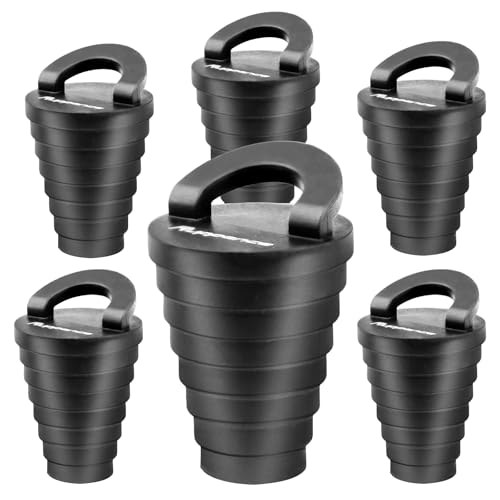
| Lyreh Scupper Plug Kit | Sealing scupper holes | 8 pieces, push-in rubber with handle |
| MorningRo Brass Drain Plug | DIY livewell drains | 4 pcs, 3/8 inch, snap lock design |
How to Choose
Bait or fish: pick the job first
Live bait needs fresh, oxygenated water in a container you can reach. A caught fish you plan to release or keep for a tournament needs a basket or live bag that lets water pass through. Those are different tools, and trying to stretch one to do both rarely works well. Decide your primary use before comparing capacity numbers.
Species matters too. Hardy baits such as shiners, minnows, and sturdy shrimp tolerate warm, crowded buckets better than delicate herring or shad, which need more water and more frequent changes. If you chase fragile bait, a larger container and cooler water are not luxuries but requirements. Match the vessel to the bait before you worry about styling or color.
Capacity and drag
A 5.5 quart bucket holds a modest bait supply and weighs little. A 5 gallon basket holds a fish or two but creates more drag when towed. Both numbers appear in the titles below. For small bait and short trips, a smaller container reduces drag and clutter. For larger fish, mesh and a float ring keep the basket stable and visible.
Water exchange without a pump
Passive systems rely on mesh panels, vent holes, or water flowing through as the kayak moves. They work best in cool water and for modest numbers of bait. In hot weather or crowded conditions, oxygen runs out faster, so change water often and avoid overloading the container.
A simple routine extends the life of any passive system: swap out about a third of the water every half hour in warm weather, keep the container shaded, and avoid dropping ice directly on bait. Cooling the water slowly is kinder than shocking it. If you notice bait gulping at the surface, that is a sign of low oxygen, and a water change is overdue.
Small parts matter more than they seem
If you build a livewell in a hatch, cooler, or crate, the drain and plug hardware determine whether it leaks. Rubber push-in plugs seal scupper holes; brass drain plugs with gaskets suit fitted tanks. Cheap rubber can harden and crack with sun exposure, so check the material and swap plugs once a season if they feel stiff.
The 7 Best Options
Baitshark Kayak Livewell, 5.5 QT
The Baitshark is built for the kayak problem directly: a 5.5 quart bait bucket described as ultra durable with all-day bait survival, minimal drag, and silent operation, with no pump, batteries, or bait aerator required. That description targets paddlers who want live bait without wiring or noise.
- Strength: no pump or battery means less to maintain.
- Strength: minimal drag and quiet operation, per the title.
- Trade-off: 5.5 quarts is limited for large bait counts.
Skip it if you need to keep fish or large volumes of bait alive for long trips. For anglers who fish short, quiet sessions with a handful of livies, the simplicity is the point: there is nothing to charge, nothing to wire, and nothing that hums in a silent cove.
Kyaxx Collapsible Bait Bucket Livewell
Kyaxx describes a collapsible bait bucket for kayak and wade fishing. Collapsible designs matter because they pack flat when empty, which frees deck space and fits easily into a hatch. It suits anglers who fish both from a kayak and on foot.
- Strength: collapsible construction for easy storage.
- Strength: suits kayak and wading use.
- Trade-off: the title offers few specs, so confirm capacity on the listing.
Skip it if you need a rigid bucket that holds its shape when handled roughly. Because soft sides can sag when full, set it where it is supported, such as in a crate or against a seat, rather than on an open deck where it could tip with the boat.
SturdyShape Floating Fish Basket
This one is for fish rather than bait. It is a 5 gallon collapsible basket with a mesh net, an orange float ring, a 9 foot rope, and a carabiner. Towing a basket behind the kayak keeps the catch in water without a cooler, and the float ring helps you see it.
- Strength: float ring and rope make it simple to tow and locate.
- Strength: collapsible, so it stows small.
- Trade-off: towing adds drag and a basket is not a good option in heavy boat traffic.
Skip it if local rules limit how you can hold fish or if you plan to keep the catch rather than release it. Keep the rope clear of your rudder, paddle, and anchor line, and check the carabiner connection before every trip, because losing a tethered basket and its contents is an unpleasant way to end a good day.
Angler’s Best Livewell Buddy
The title calls it a livewell insert or a stand-alone floating livewell, and it comes as a pack of 2 in black. Its flexible role is the appeal: use it as an insert inside a larger container or float it alongside the kayak. The two-pack suits anglers who want separate holding for different bait types.
- Strength: two-way use as an insert or floating unit.
- Strength: pack of 2 gives you spares or separate holding.
- Trade-off: the title does not state capacity.
Skip it if you need a rigid, large-capacity tank. Since the title leaves the volume open, confirm dimensions on the listing and think about where the pair would sit on your kayak, in a crate, in a hatch, or trailing alongside on a short tether.
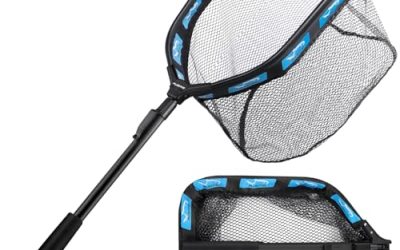
BasicGear Pro Baitwell Net
Not a tank, but a tool that makes any tank easier to use. The net has a 10 inch hoop, a 17 inch overall length, soft nylon mesh, an aluminum frame, and a non-slip grip. Soft mesh is gentler on bait, and the short handle is practical in a cramped cockpit.
- Strength: soft nylon mesh is gentle on bait.
- Strength: compact length suits a kayak.
- Trade-off: it only helps if you already have a tank or bucket.
Skip it if you do not carry live bait. Anglers who buy bait by the dozen and move it between a bucket and a hook all day will appreciate the shorter handle and the soft mesh, which reduces scale loss and keeps the bait lively for longer.
Lyreh 8pcs Kayak Scupper Plug Kit
The Lyreh kit includes eight universal rubber push-in plugs with reinforced handles for sit-on-top kayaks and canoes. Plugs matter for livewells because they seal scupper holes so that a hatch or well can hold water. A multi-piece kit gives you spares.
- Strength: eight pieces cover multiple holes with spares.
- Strength: reinforced handles make removal easier.
- Trade-off: sizes vary, so confirm that the plug matches your scupper diameter.
Skip it if your kayak has a different drain style or you need a threaded plug. Keep a few spares in your dry bag, because a lost plug can sink a day on the water, and test each one in a puddle or shallow water at the launch before you push off.
MorningRo 4 Pcs Brass Boat Drain Plug
For DIY tanks, a proper drain plug helps. The set contains four brass plugs of 3/8 inch size with a snap lock design and rubber gaskets, and brass resists corrosion. Anglers building a livewell in a cooler or crate use plugs like these to control drainage.
- Strength: marine brass resists corrosion.
- Strength: gasket seals and snap lock design.
- Trade-off: the 3/8 inch size fits only matching openings.
Skip it if you do not plan to modify a container or boat. Installing a bulkhead-style drain takes some patience and a good seal, so read the fitting instructions and consider a dry fit before cutting any hole in a container you want to keep.
Which One Fits Your Situation
You fish with live bait from a sit-on-top
The Baitshark Kayak Livewell is the closest match to the job, with the BasicGear net to make handling bait easier.
You target fish you want to keep alive briefly
The SturdyShape Floating Fish Basket handles that role, as long as local rules allow it.
You wade and paddle in the same day
The Kyaxx Collapsible Bait Bucket folds flat and works from both a kayak and a belt-clipped wade setup.
You are building your own tank
Combine the Lyreh plug kit and the MorningRo brass plugs with a container that suits your deck.
Whatever you choose, practice the setup at home or in shallow water before a real trip. Load the bucket, clip the tether, and check where everything sits relative to your seat and feet. A livewell that looks tidy on a table can get in the way of a paddle stroke or a fish fight once it is aboard. Adjust placement until you can reach it without leaning, and keep the center of gravity low.
Common Mistakes
- Overcrowding a small bucket and wondering why bait dies.
- Letting water warm in the sun without changing it.
- Skipping a tether, then losing a floating basket to a current.
- Buying plugs without measuring the hole or fitting diameter.
- Ignoring local rules on holding or releasing fish.
Related guides
- Shimano Stradic Fl Vs Daiwa Bg Spinning Reel
- Polarized Sunglasses For Kayak Fishing
- Battery Chargers For Marine Batteries
Frequently Asked Questions
Can a kayak livewell work without a pump?
Yes, for small amounts of bait and cool water. Change the water often and avoid overloading the container.
How much drag does a floating basket add?
It adds noticeable drag, especially when full. Keep trips short and tow it only when needed.
What size bucket should I choose?
Match it to the amount of bait you need for the day. A small bucket is easier to stow, while a larger one holds more but costs deck space.
Do I need plugs for a sit-on-top kayak?
Only if you want to seal scupper holes or build a holding tank. Check the diameter of your drains before ordering.
More from Amazon
Programs that pair well with the guide above. Offers and eligibility are set by Amazon and may change.
Free shipping on eligible items, Prime Video and more. Eligible new members can start with a free trial.
Start a Prime free trialA Prime membership for ages 18-24 with a trial period. Eligibility is set by Amazon.
See Prime for Young AdultsAudiobooks and podcasts to listen to on the go. Eligible new members can start with a free trial.
Try Audible freeAd-free music streaming. Eligible new subscribers can start with a free trial.
Try Music Unlimited freeAs an Amazon Associate we earn from qualifying purchases.

Write Your Review
No reviews yet. Be the first to share your experience!