

Key takeaways
- Ice fishing electronics live a harder life than their open-water cousins. You drill a hole, drop a transducer through it.
Ice fishing electronics live a harder life than their open-water cousins. You drill a hole, drop a transducer through it, and stare at a screen in cold, wind, and bright glare, often with thick gloves on. The tools that work best are the ones that turn on instantly, stay readable in the sun off the snow, and run a full day from a small battery. That is a different shopping list from a boat console, and it explains why a classic flasher-style unit and a full GPS sonar can both be reasonable answers.
This guide is for anglers deciding between a purpose-built ice unit and a more general portable fish finder that can also work through a hole. The five options below come from the listed titles, and they span a battery-powered Vexilar, a Humminbird ice model, and three Garmin Striker 4 variants. Going into 2026, the practical decisions are display type, how much mapping you want, and whether the transducer included is actually made for ice. A castable kayak unit that appeared in the same results is left out, since it is not designed for use through a hole.
Quick Picks
Our top picks
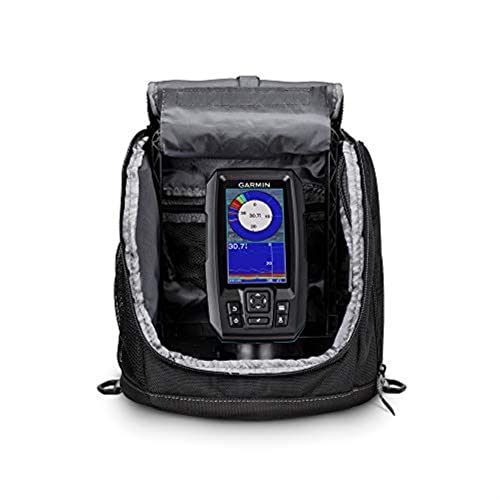
 Garmin 010-01550-10 Striker 4 Fish-Finder with Portable
- The power of simple - offers a keyed…
- Waypoint map - use the waypoint map to…
- Chirp sonar - Chirp sends a continuous sweep…



As an Amazon Associate we earn from qualifying purchases at no extra cost to you.
| Product | Best for | Key spec from the title |
|---|---|---|
| Garmin Striker 4 with Portable Kit | Ready-to-go ice setup | 3.5 inch display, portable kit |
| Vexilar FL-8SE Ice-Ducer | Dedicated ice sonar | Battery powered, LED display, ice sonar |
| Humminbird ICE HELIX 5 G3 | GPS and dual spectrum sonar on ice | GPS, dual spectrum CHIRP sonar |
| Garmin Striker Plus 4 Ice Bundle | Ice-specific Garmin package | Portable kit, Dual Beam-IF transducer |
| Garmin Striker 4 with Transducer | Multi-season use | 3.5 inch GPS fishfinder with CHIRP |
How to Choose
Decide between a flasher-style unit and a graph
A traditional ice flasher shows a live ring of data that updates instantly, which many anglers prefer for jigging because the response to your bait is immediate. A graph or chart-style display scrolls history across the screen, which suits anglers who want to see marks passing under the transducer over time. Neither is better in every situation, so think about whether you fish by watching your lure or by hunting for passing fish. If you stay in one hole for hours, a flasher is hard to beat; if you hop between holes, a graph with GPS is more useful. Many veteran anglers end up owning one of each for different situations.
Match the transducer to the job
An ice transducer is designed to float or hang vertically in a hole, and some include a beam angle suited to jigging. A boat transducer can still work if you can hold it vertically in the hole, but the mounting is awkward and the signal is often weaker. A listing that says it includes a dual beam ice transducer, as one Garmin bundle does, removes the guesswork. Look for the specific wording about ice or portable use. Also think about cable length: a short lead is fine for a shallow hut hole, but a deeper setup or a shanty with the display across the room calls for something longer. Ask whether the transducer tilts to hang level, since a slanted beam gives misleading depth and shows your lure in the wrong place.
Plan for power and cold weather
Cold shortens battery life, and most portable ice units run on sealed lead-acid or lithium packs. A battery powered model in the title is a good start, but check whether the battery and charger come included. A portable kit with a carry case and battery pack saves you from buying separate parts and keeps the display from sitting loose on a sled.
Think about GPS, screens, and size
A 3.5 inch screen is small but readable for most ice jigging. If you travel to new lakes, GPS can help you return to a drop-off hole after a snowfall. A larger or higher resolution screen costs more and draws more power. Budget models cut corners on screen brightness, which is the worst place to skimp in white, reflective conditions. A sunshade or a dark hood around the screen costs little and often helps more than a brighter panel. If you fish from a permanent shelter, a smaller screen is perfectly fine, while open-ice anglers benefit from the largest display they are willing to carry.
The 5 Best Options
Garmin Striker 4 with Portable Kit
This package pairs the Striker 4 with a portable kit and a 3.5 inch display, intended for anglers who want to carry the unit out on the ice without sourcing a separate battery and case. It is the sensible entry point if you want a graph-style display in a ready-to-use package. Anglers who have never used sonar on the ice often start with a unit like this because it behaves much like a summer graph, so the skills carry over. Plan to mount the display on a bucket lid or a sled rail so you can read it without bending over the hole for hours.
- Strength: the portable kit is described right in the title.
- Strength: a familiar 3.5 inch Garmin display keeps the learning curve short.
- Trade-off: the title does not call out an ice-specific transducer, so confirm what is in the box.
Skip it if you want an ice-specific transducer included from the start.
Vexilar FL-8SE Ice-Ducer
The FL-8SE is a battery powered, surface mount ice sonar with an LED display. It focuses on the ice fishing job and is built around the Ice-Ducer transducer name, so it reads as a dedicated piece of ice gear rather than an adapted boat unit. The LED display style is the familiar format for jigging, where you watch the bait and the fish react in real time. A simple layout also means fewer menus to fight through while wearing mittens, and that matters more than any spec on a windy lake in January.
- Strength: purpose-built for ice fishing sonar, per the title.
- Strength: battery powered and surface mount, which suits quick setups on the ice.
- Trade-off: it lacks GPS and mapping, so it is a pure fishing tool.
Skip it if you want chart mapping and waypoints in the same unit.
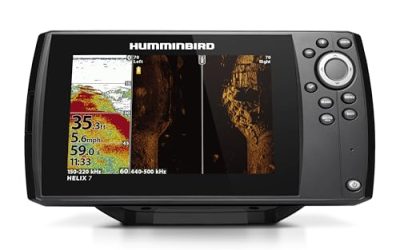
Humminbird ICE HELIX 5 G3
This GPS fish finder is branded for ice and uses dual spectrum CHIRP sonar. It suits anglers who want a bigger step up in detail and the ability to mark and revisit holes across a lake. A GPS unit is especially helpful on big water, where a whiteout can erase landmarks and send you wandering across the ice searching for your last productive spot. It also helps you plot a safe return route along the same path you walked out.
- Strength: GPS lets you mark productive spots for next trip.
- Strength: dual spectrum CHIRP sonar is listed in the title.
- Trade-off: more features usually means more cost and a longer learning period.
Skip it if you want a plain, no-menu sonar you can use in thick gloves.
Garmin Striker Plus 4 Ice Bundle
The Striker Plus 4 Ice Fishing Bundle includes the portable Striker Plus 4 fishfinder and a Dual Beam-IF transducer. It is the most ice-specific Garmin choice on the list, since the transducer is named for ice-focused use. That matters because a transducer that sits right in the hole is the single biggest factor in what you see on the screen. Buying the pieces together also means the connector and the display are meant to work together from the first outing.
- Strength: the bundle includes the portable fishfinder and an ice-minded transducer.
- Strength: Garmin Striker menus are familiar to many anglers.
- Trade-off: battery and carry accessories may differ from other kits, so confirm the full contents.
Skip it if you plan to use the unit primarily from a boat.
Garmin Striker 4 with Transducer
This is the base Striker 4 with a transducer, a 3.5 inch GPS fishfinder with CHIRP. It is a flexible choice for anglers who fish open water in summer and want to adapt the same unit for ice. Accessories are plentiful for this family, so a DIY portable setup with a small battery, a carry bag, and a float for the transducer is realistic. It rewards patient tinkerers who like putting a kit together over buying one in a box.
- Strength: it works across seasons when paired with the right accessories.
- Strength: GPS and CHIRP sonar are listed in the title.
- Trade-off: it does not include the portable kit, so you may need to buy a battery and case.
Skip it if you want a ready-made ice package out of the box.
Which One Fits Your Situation
You jig for panfish and want instant feedback
The Vexilar FL-8SE Ice-Ducer is designed around the ice fishing job and is the simplest fit for jigging. Its straightforward surface-mount layout also means less to set up when you are drilling holes in the dark before sunrise.
You fish new lakes every weekend
The Humminbird ICE HELIX 5 G3 adds GPS, so you can mark holes and revisit them after a storm changes the landscape. It is a strong match for anglers who study a lake over several winters and want a record of where fish have shown up.
You want a complete Garmin package
Choose the Striker Plus 4 Ice Bundle, which includes the portable fishfinder and a Dual Beam-IF transducer.
You fish boats in summer and ice in winter
The Garmin Striker 4 with Transducer is the flexible option, and you can add a portable kit later. That path spreads the cost across two seasons and avoids buying a unit that sits unused for half the year.
Common Mistakes
- Buying a boat transducer and assuming it will hang correctly in a hole.
- Skipping the battery and charger, then arriving at the lake without power.
- Choosing a screen that is hard to read in bright snow glare.
- Paying for GPS when the lake never changes and you can find holes by feel.
- Ignoring cold effects on battery life and not keeping the pack warm.
Related guides
- Shimano Stradic Fl Vs Daiwa Bg Spinning Reel
- Polarized Sunglasses For Kayak Fishing
- Battery Chargers For Marine Batteries
Frequently Asked Questions
Can a regular fish finder work for ice fishing?
It can, if you hold the transducer vertically in the hole and power the unit from a battery. Dedicated ice transducers and kits make this much easier.
Do I need GPS for ice fishing?
No. GPS helps mark holes and trails, but a plain sonar is enough to read depth, fish, and your lure.
How long do batteries last in the cold?
Cold lowers capacity, so expect shorter runs than in summer. Keep the pack inside your jacket until needed, and carry a spare if you plan to stay out from first light to dusk.
What is a Dual Beam transducer?
It uses two beam angles so you can see a wide area or a narrow cone under the hole. Confirm the exact specs on the listing, since a wider beam covers more water but can show less detail for individual fish.
More from Amazon
Programs that pair well with the guide above. Offers and eligibility are set by Amazon and may change.
Free shipping on eligible items, Prime Video and more. Eligible new members can start with a free trial.
Start a Prime free trialA Prime membership for ages 18-24 with a trial period. Eligibility is set by Amazon.
See Prime for Young AdultsAudiobooks and podcasts to listen to on the go. Eligible new members can start with a free trial.
Try Audible freeAd-free music streaming. Eligible new subscribers can start with a free trial.
Try Music Unlimited freeAs an Amazon Associate we earn from qualifying purchases.
Write Your Review
No reviews yet. Be the first to share your experience!