

Key takeaways
- The best modular bookshelf system for most homes is String System for refined, expandable storage; IKEA IVAR for value and heavy everyday loads; Vitsœ 606 for long-term design flexibility; and USM Haller for premium, enclosed, highly durable furniture. “Modular” can…
The best modular bookshelf system for most homes is String System for refined, expandable storage; IKEA IVAR for value and heavy everyday loads; Vitsœ 606 for long-term design flexibility; and USM Haller for premium, enclosed, highly durable furniture.
“Modular” can mean anything from a few stackable shelves to a wall-mounted grid that can be reconfigured for decades. The important comparison is not appearance alone: module dimensions determine what fits, weight ratings determine what you can safely store, and the anchoring method determines whether the system is suitable for your wall.
Our top picks


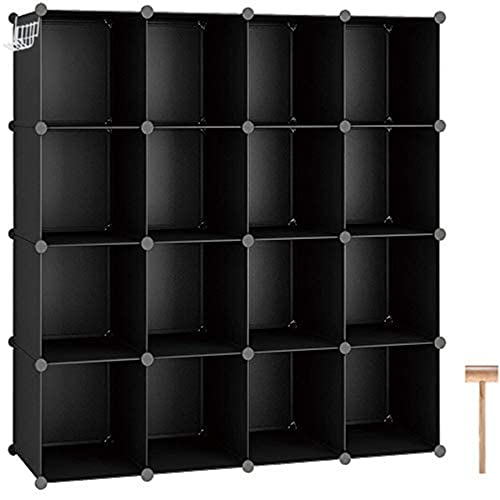

As an Amazon Associate we earn from qualifying purchases at no extra cost to you. Ratings are shown as listed on Amazon.
Best modular bookshelf systems compared
| System | Typical module or shelf size | Primary materials and finish | Typical load guidance | Best for | Approximate market cost |
|---|---|---|---|---|---|
| String System | About 58 or 78 cm wide; 20 or 30 cm deep shelves | Powder-coated steel panels with veneered or lacquered shelves | Often about 15 kg per shelf, depending on width and installation | Light-to-medium books, display storage, narrow rooms | About $400–$1,500 for a modest arrangement |
| IKEA IVAR | Common bays around 89 cm wide and 30 or 50 cm deep | Untreated or finished solid pine; steel accessories available | Common shelf ratings around 30 kg when correctly assembled | Budget storage, large paperbacks, adaptable utility rooms | About $150–$900, depending on size and doors |
| Vitsœ 606 | Wall-mounted shelves roughly 83 cm wide and 24 cm deep | Powder-coated steel rails and shelves with a durable laminate surface | Use the current installation guide; capacity depends heavily on rail spacing and wall fixing | Long-term ownership and precise wall planning | About $1,500–$5,000 for a substantial installation |
| USM Haller | Frequent grid dimensions include approximately 35 cm cubes | Chromed tubular steel frame with powder-coated steel panels | Typically suited to substantial household loads; follow the configuration-specific rating | Premium freestanding, closed or mixed open storage | About $2,000–$8,000 or more |
| Elfa shelving | Standards and brackets commonly support shelves about 60–120 cm wide | Powder-coated steel components with melamine, wire, or wood-look shelves | Often roughly 20–45 kg per shelf, varying by width, depth, and bracket spacing | Closet-style wall storage and practical expansion | About $250–$2,000 |
These figures are useful for comparison, not permission to exceed a product’s current manual. Load ratings change with shelf width, depth, bracket spacing, wall type, and whether the load is evenly distributed. A shelf full of large art books imposes more stress than the same weight spread across paperbacks.
Which system fits your situation?
| Your situation | Best starting choice | Why | Main compromise |
|---|---|---|---|
| Budget is the main constraint | IKEA IVAR | Large bays, accessible replacement parts, and easy painting or staining | Pine can dent, warp, or show uneven finish unless sealed |
| You rent or cannot drill many holes | Freestanding IVAR or USM Haller | They can stand on the floor rather than relying on a continuous wall rail | They still require anti-tip protection where appropriate |
| You have a narrow alcove | String System | Its shallow shelf options work well in hallways and small rooms | Deep books and heavy loads may not fit comfortably |
| You want a permanent wall installation | Vitsœ 606 | Rails and shelves can be extended and rearranged without replacing the whole system | Initial planning and installation cost are high |
| You need doors, drawers, and open shelves together | USM Haller | The panel-and-frame architecture supports many enclosed configurations | Its metal look and price are not for every room |
| You expect frequent expansion | Vitsœ 606 or String System | Both have established component families rather than one fixed bookcase shape | Matching older colors and finishes may become difficult |
Head-to-head: the differences that matter
Module sizes and configuration freedom
String offers the most useful choice when depth is the problem. Its shallow shelves keep circulation space open, while taller side panels let you build upward. IVAR is more forgiving for oversized books, records, baskets, and equipment because its bays are wider and deeper. However, wide shelves need better leveling and can visibly sag if overloaded.
Vitsœ 606 is less about buying a pre-shaped bookcase and more about designing a wall elevation. You decide the rail length, shelf count, and vertical spacing, then add to it later. USM Haller uses a rigid-looking grid, but its strength is the ability to combine open compartments with doors and drawers in a consistent visual language.
Weight limits and wall anchoring
The weakest point is often not the shelf; it is the wall fixing. Plasterboard, hollow block, brick, and timber studs require different anchors. A tall arrangement loaded with books creates a tipping force even when each shelf is within its stated rating.
For a wall-mounted system, locate studs where possible, use the manufacturer’s specified fasteners, and leave room to work above baseboards and around outlets. For a freestanding system, attach the anti-tip strap or bracket to a structural point rather than relying on a thin section of plasterboard. If the installation is unusually tall, wide, or heavily loaded, a qualified installer is worthwhile.
Materials and finish quality
IVAR’s pine is the easiest to customize and the least polished out of the box. It suits a relaxed interior, but exposed end grain and soft corners can collect dents. A water-based clear coat or paint improves cleanability; seal every face consistently to reduce uneven moisture absorption.
String and Vitsœ generally offer more consistent factory finishes. Powder-coated steel resists everyday scuffs better than painted softwood, although chipped edges can expose the substrate. USM’s steel panels are especially easy to wipe clean and give the system a furniture-like finish, but replacement panels and color matching can be expensive.
A realistic expansion-cost calculation
Suppose you begin with a two-bay IVAR arrangement costing about $300. Later, you add two shelves, a pair of doors, and a side unit for another $250–$450. The completed system may cost $550–$750, not $300 plus “a few cheap shelves.” Hardware, legs, wall restraints, delivery, and finishing supplies can add 15–30% to the visible component price.
Premium systems reverse that pattern: the initial purchase is expensive, but adding one shelf or rail can be less wasteful than replacing an entire bookcase. Before buying, sketch the final wall and price both the first phase and the likely three-year configuration. This exposes whether modularity is saving money or merely postponing a larger purchase.
How to plan and install a modular bookshelf
- Measure the real space. Record width at floor and ceiling, skirting-board depth, door swings, outlets, radiators, and the usable wall height.
- Measure your books. Keep at least 2–3 cm of spare height above the tallest regular book. Oversized art books may need a 30–50 cm deep shelf rather than a standard 20–25 cm unit.
- Calculate the load. A metre of tightly packed books can weigh approximately 25–40 kg, depending on format. Divide that weight across shelves instead of assuming one long shelf can carry it safely.
- Plan the anchor points. Mark studs or select suitable masonry or hollow-wall fixings before drilling. Do not substitute generic anchors without checking their rated capacity.
- Level the base first. A small floor slope becomes a large error at the top of a tall system. Adjust feet or use approved shims, then recheck with a spirit level.
- Load gradually. Put heavier books low, distribute weight across the width, and inspect for shelf bowing, loose fasteners, or movement after the first week.
Ownership issues buyers often miss
Dust accumulates fastest on open horizontal shelves, particularly on dark powder-coated finishes. A soft brush or vacuum attachment is safer than a wet cloth that pushes grit into the surface. Avoid soaking unfinished pine, and use only the cleaner recommended for lacquer, laminate, or powder coating.
What usually wears first is not the main frame. It is shelf edges, adjustable pins, plastic feet, door hinges, drawer runners, and wall anchors disturbed during rearrangement. Keep spare hardware labeled, tighten fasteners gently, and do not drag a loaded unit across the floor. Check wall-mounted rails after moving furniture or experiencing building work.
Also consider color continuity. A “white” panel bought several years later may use a different paint batch, sheen, or coating. If future expansion matters, retain the manufacturer’s component names and original finish code, and buy critical matching shelves before a collection is discontinued.
Final recommendation
Choose String System when shallow depth, appearance, and flexible wall layouts matter most. Choose IKEA IVAR when you want the most storage per dollar and are comfortable finishing or modifying pine. Choose Vitsœ 606 when the bookshelf is a long-term architectural installation and expansion matters more than initial price. Choose USM Haller when you want exceptionally durable metal furniture with doors, drawers, and open compartments. Whatever the brand, the safest choice is the system whose shelf depth, anchor method, and realistic load rating match your books—not simply the one with the most attractive configuration.

Write Your Review
No reviews yet. Be the first to share your experience!