

Key takeaways
- 80A–84A: comfortable for rough outdoor paths and lighter skaters.
- 84A–86A: the most versatile range for recreational and fitness use.
- 86A–90A: suitable for smooth pavement, slalom, and skaters who want a livelier response.
The best rollerblades for most people are fitness skates with 80–90 mm wheels, medium-hard wheels around 84A–86A, sealed bearings, a supportive cuff, and a correctly fitted boot; faster or more technical skaters should move toward larger wheels, a shorter frame, or a stiffer hard shell.
There is no single best rollerblade for every session. A beginner learning on paths needs stability and a dependable heel brake, while an experienced skater may prefer a lighter boot, larger wheels, or a setup that turns quickly. The right choice depends on speed, surface, control, comfort, and how often you will maintain the equipment.
Our top picks
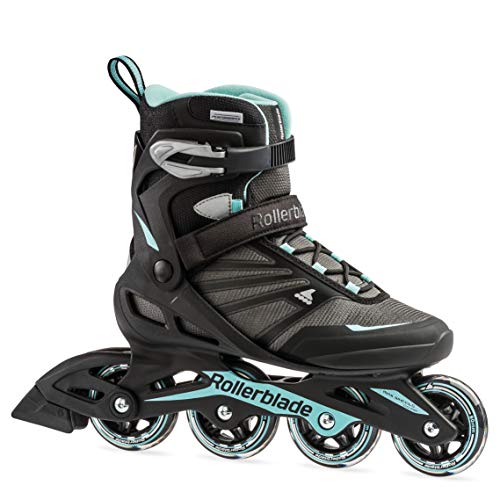


As an Amazon Associate we earn from qualifying purchases at no extra cost to you. Ratings are shown as listed on Amazon.
Quick choices by skating situation
| Situation | Recommended setup | Why it fits | Typical market range |
|---|---|---|---|
| First pair for casual outdoor skating | 4 x 80 mm, 82A–84A, 76–80 mm frame, soft or hybrid boot, heel brake | Stable, easy to control, and forgiving on ordinary paths | $90–$180 |
| Regular fitness and longer rides | 4 x 90 mm, 84A–86A, supportive ventilated boot, ILQ-7 or equivalent bearings | Balances rolling speed, comfort, and maneuverability | $150–$280 |
| Fast recreational skating | 4 x 100 mm or 3 x 110 mm, 85A–88A, rigid or semi-rigid cuff | Maintains speed efficiently over distance | $220–$450 |
| Urban streets and frequent turns | 4 x 80 mm, short frame, hard-shell boot, 84A–88A wheels | Improves edge control and survives rougher use | $180–$400 |
| Slalom and technical footwork | 4 x 72–80 mm, rockered frame, firm boot, no brake or removable brake | Short wheelbase and rocker make quick turns easier | $200–$500 |
Wheel size: stability versus speed
Wheel diameter changes the character of a skate more than many buyers expect. Smaller wheels sit closer to the ground, accelerate easily, and make balance and stopping less intimidating. Wheels from 76 to 80 mm are a strong starting point for beginners and urban skaters.
Wheels from 84 to 90 mm roll more smoothly over cracks and preserve speed better. They are often the sweet spot for fitness skating. The trade-off is a slightly higher stance and less immediate maneuverability.
Large wheels from 100 to 125 mm are designed for efficient distance skating. Three-wheel frames are common in this range because they can provide a long effective wheelbase without using five wheels. They are fast, but beginners may find them harder to start, stop, and turn on.
Do not choose the largest wheels simply because they promise speed. On a crowded path, narrow trail, or uneven pavement, control matters more than theoretical top speed.
Wheel hardness and surface choice
Wheel hardness is usually shown as an “A” rating. Softer wheels, such as 80A–84A, absorb more vibration and offer better grip on imperfect outdoor pavement, but they wear faster and feel slower on smooth surfaces. Harder wheels, such as 86A–90A, slide more readily, roll efficiently on clean asphalt, and can last longer, but they transmit more vibration.
- 80A–84A: comfortable for rough outdoor paths and lighter skaters.
- 84A–86A: the most versatile range for recreational and fitness use.
- 86A–90A: suitable for smooth pavement, slalom, and skaters who want a livelier response.
Weight also affects the result. A heavier skater may compress a soft wheel more and wear it sooner, while a lighter skater may prefer a softer compound for traction and comfort.
Bearings: avoid paying for a label alone
Bearings determine how freely the wheels spin, but bearing cleanliness, spacers, wheel alignment, and skating technique matter just as much as the printed rating. ABEC numbers describe manufacturing tolerance, not a complete measure of speed or durability. A clean, well-spaced set of ordinary precision bearings can outperform neglected premium bearings.
Look for sealed bearings with removable or serviceable shields if you skate outdoors. “Twincam,” “ILQ,” and similar names are manufacturer systems rather than universal performance grades. For most recreational skaters, a reputable mid-range bearing is sufficient; spending more makes sense when you skate frequently, race, or want smoother long-distance rolling.
Boot support and frame control
A comfortable soft boot, found on many fitness skates from brands such as Rollerblade and K2, offers ventilation and quick break-in. It is a good choice for recreational sessions and moderate-distance paths. The cuff should support the ankle without cutting into it, and the heel should stay planted when you bend your knees.
Hard-shell and hybrid skates, including urban models from Rollerblade, Powerslide, and FR Skates, provide a more precise connection to the frame. They are useful for stairs, rough pavement, repeated stops, and aggressive edge work. They can feel less plush initially, so liner shape and heat-moldability may matter more than the shell material alone.
Frame length is another control variable. A longer frame tracks steadily and feels calmer at speed. A shorter frame turns faster but can feel nervous for a beginner. For general fitness, a frame around 243–280 mm is common with 80–90 mm wheels; technical urban skates often use shorter frames.
Brake options and stopping confidence
A heel brake is not a sign of a beginner-only skate. It is an effective tool for controlling speed on shared paths and should be retained until you can stop reliably using several techniques. Check whether the brake is included, fitted to the correct side, and compatible with replacement brake pads.
Skates without a heel brake require alternatives such as a T-stop, plow stop, powerslide, or advanced turning technique. These methods require practice and sufficient clear space. A removable brake is the most flexible option if you expect your needs to change.
Fit and sizing: the most important purchase decision
Measure both feet in the socks you will skate in, preferably at the end of the day. Record heel-to-longest-toe length in millimeters and compare it with the manufacturer’s own chart rather than assuming your shoe size transfers directly.
- Your toes may lightly brush the front while standing, but they should not be painfully curled.
- When you bend your knees into a skating stance, your toes should pull back slightly from the front.
- The heel should not lift significantly when you flex forward.
- Do not compensate for excessive width by overtightening the cuff; that can create pressure points.
As a practical example, if your longer foot measures 263 mm and a brand’s chart places 260–264 mm in its size range, that is usually a more sensible starting point than choosing the next size solely because your casual shoes are larger. Liner thickness, foot width, and brand shape can still change the final fit.
Head-to-head: 4 x 80 versus 3 x 110
| Characteristic | 4 x 80 mm | 3 x 110 mm |
|---|---|---|
| Approximate wheel height | 80 mm | 110 mm |
| Starting and low-speed control | Excellent | Moderate |
| Rolling over small cracks | Good | Very good |
| Quick turning | Very good | Good, but more demanding |
| Typical frame length | 243–265 mm | 255–295 mm |
| Best for | Learning, urban use, fitness, and mixed paths | Experienced distance and speed skaters |
Ownership costs and maintenance
Wheels and brake pads usually wear before boots or frames. A recreational skater may replace wheels after roughly 300–800 miles, although rough pavement, body weight, wheel hardness, and stopping habits can change that substantially. Brake pads may last a few months or much longer depending on use.
Rotate wheels when their inside edges become noticeably smaller. A common pattern is to move the most-worn wheel to a different position and flip it so wear is shared. Check wheel bolts before every few sessions, keep them secure without over-tightening, and inspect the frame for looseness.
After wet or gritty skating, remove the wheels and wipe the bearings and hardware dry. Never store damp skates in a closed bag. Avoid oiling dirty bearings without cleaning them first: lubricant can turn grit into abrasive paste. Replace bearings that feel rough, seize, or develop side-to-side play.
A useful ownership calculation illustrates why maintenance matters. If a $180 pair lasts 600 miles and you spend $55 on replacement wheels plus $15 on brake parts, the equipment cost is about $0.42 per mile: ($180 + $55 + $15) ÷ 600. Regular cleaning and wheel rotation can extend that service life and reduce the effective cost.
Bottom line
Choose 4 x 80 mm wheels and a brake-equipped fitness boot if you are learning or want one dependable pair for ordinary paths. Choose 4 x 90 mm when longer rides matter more than maximum agility. Move to 3 x 110 mm only when you already control speed and stopping. For urban obstacles and technical turns, prioritize a hard shell, short frame, replaceable liner, and precise fit over a high wheel count or marketing claim.

Write Your Review
No reviews yet. Be the first to share your experience!