

Our Top Picks

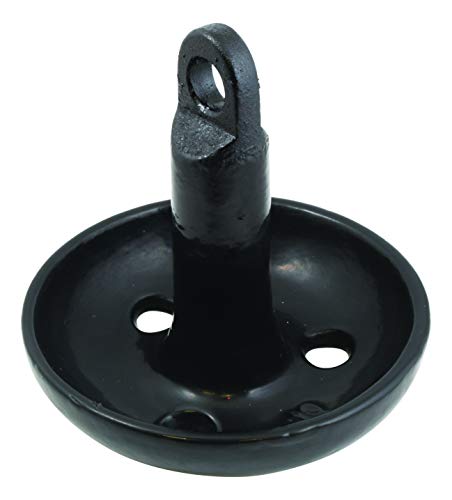
For most paddlers who fish rivers, the best overall pick here is the 12 lb XIALUO river anchor kit with 50 feet of rope: it carries enough rope to hold in pools several feet deep and enough weight to resist a gentle push of current. A kayak river anchor is a heavy, compact weight on a line, used to hold your position while you work a seam, eddy or drop-off. The six kits below range from a 3.5 lb folding grapnel to a 20 lb weight meant for bigger boats, so the right choice depends on your hull, bottom type and how fast the water moves.
Quick List
- XIALUO 8 lb River Anchor Kit – best for light kayaks in slow, shallow pools
- 12 lb River Anchor Kit (generic) – best for paddlers who also use a jon boat or small skiff
- Attwood 9942B1 10 lb Mushroom Anchor – best for silty and sandy bottoms on a simple, proven design
- XIALUO 12 lb River Anchor Kit – best all-around kayak pick with extra rope for deeper holes
- 20 lb Mushroom River Anchor Kit – runner-up, best for jon boats and pontoons rather than kayaks
- weyleity 3.5 lb Folding Anchor – best for rocky bottoms and light packing
Which One Is Right for You?
| If you… | Choose |
|---|---|
| Fish deeper pools or want longer scope in moderate flow | XIALUO 12 lb kit with 50 ft rope |
| Paddle a light kayak in slow, shallow water | XIALUO 8 lb kit with 30 ft rope |
| Anchor over mud, silt or sand and want a classic shape | Attwood 10 lb mushroom anchor |
| Work boulder or gravel runs where mushroom anchors slide | weyleity 3.5 lb folding anchor |
| Own a jon boat or small skiff as well as a kayak | Generic 12 lb river anchor kit |
| Run a pontoon or wide jon boat in a river | 20 lb mushroom river anchor kit |
Start with your hull. A kayak under about 12 feet generally does better with a lighter anchor and a long rope than with a heavy weight, because a heavy anchor makes the boat harder to raise and trim. Then match the head shape to the bottom, and treat current speed as the deciding safety factor.
All 6 Picks in Detail
1. XIALUO 8 lb River Anchor Kit – Best for Light Kayaks in Slow Pools
As an Amazon Associate we earn from qualifying purchases at no extra cost to you.

This is the lightest of the three XIALUO and generic river kits, and it suits paddlers who want a bit more bite than a folding grapnel without hauling a heavy weight over the bow. The listing describes a black PE-coated anchor with 30 feet of rope and names fishing kayaks, canoes, jet skis and paddleboards as targets. Thirty feet is enough for roughly six feet of water at a five-to-one scope, which fits shallow riffles and slow pools but not deep holes.
- Weight: 8 lb per the listing
- Coating: black PE coating, intended to protect the hull and resist corrosion
- Rope: 30 ft included
- Listed uses: fishing kayaks, canoes, jet skis, SUP
- Head shape: confirm on the product page
Pros
- Manageable weight for solo paddlers
- Complete kit with rope
- Coating helps limit scratches on gelcoat and plastic
Cons
- Short rope limits depth and scope
- May drag in anything beyond gentle current
On the water: picture a slow, knee-to-waist-deep pool below a riffle where you want to stay put for ten minutes while you work a soft plastic through the seam. An 8 lb weight set a few feet upstream of the spot, with the line leading from the bow, is plenty there. Move that same setup into a faster chute and it will start to creep, which is your cue to reposition or switch to a heavier option rather than add more rope.
Compared with the 12 lb XIALUO kit that follows later in the list, you give up holding power and rope length in exchange for a lighter, easier-to-stow weight.
2. 12 lb River Anchor Kit – Best for Mixed Kayak and Small-Boat Use

The listing for this kit is brief: a 12 lb river anchor for jon boats, pontoons, bass boats and kayaks. That wide range of boats is the clue. It is a general-purpose weight that works on a kayak but is not tuned for one, so it makes the most sense for someone who moves one anchor between a kayak and a small motorboat. Because the listing name does not state rope length, head shape or coating, confirm those details before buying and plan to add a proper float and quick-release setup.
- Weight: 12 lb per the listing
- Listed uses: jon boat, pontoon, bass boat, kayak
- Rope length: confirm on listing
- Head shape and coating: confirm on listing
- Intended water: rivers, per the product name
Pros
- Enough mass to resist light current
- Works across several boat types
Cons
- Listing leaves key specs unstated
- Heavy to lift repeatedly from a sit-on-top
On the water: the value of a multi-boat anchor is simplicity. If one weight lives in the truck and goes wherever you go, you only need one rope-and-float routine to master. Just make sure the lower bow clip or trolley ring you use on the kayak can handle the load, and put a bright float on the tail so the line is visible to other paddlers and boaters.
It is the same weight as the XIALUO 12 lb kit, but that one states its rope length and coating, which makes it the easier recommendation for kayak-only anglers.
3. Attwood 9942B1 10 lb Mushroom Anchor – Best for Silt and Sand

Attwood is an established marine hardware brand, and this mushroom anchor is a plain, durable choice. A mushroom head works by settling into soft bottoms and being slowly covered, so it excels in mud, silt and fine sand and performs poorly on bare rock or clean gravel. The listing describes a PVC-coated cast iron anchor at 10 lb for kayaks, canoes and small boats. Note that the anchor is sold on its own, so you will need to supply your own rope, float and a quick-release system.
- Weight: 10 lb
- Material: cast iron with a PVC coating
- Design: mushroom head
- Listed uses: kayaks, canoes and small boats
- Rope: not described; confirm on listing
Pros
- Simple, durable and widely used design
- Coating protects hulls and paint
- Good holding in soft bottoms
Cons
- Weak on rock and gravel
- Rope and hardware are separate purchases
On the water: a mushroom anchor is a slow-and-steady tool. Once it settles into silt it resists sliding, which suits ponds, backwater sloughs and the slack water behind river bends. Expect it to hold poorly where the bottom is scoured clean by current, because there is nothing for the head to bury into. Rinse the coating after each trip and look for chips, since exposed iron will rust.
Next to the XIALUO kits it is a bare anchor rather than a bundle, so pick it if you already own a suitable rope and trolley.
4. XIALUO 12 lb River Anchor Kit – Best All-Around Pick With Extra Rope

This is the step-up sibling of the 8 lb kit. Weight rises to 12 lb and rope grows to 50 feet, which at a five-to-one scope covers water about ten feet deep. That extra scope matters in rivers, where a steeper line angle both improves holding and keeps the bow pointed upstream. The black PE coating and kit packaging remain the same, and the listing again names kayaks, canoes, jet skis and paddleboards.
- Weight: 12 lb per the listing
- Rope: 50 ft included
- Coating: black PE coating
- Listed uses: fishing kayaks, canoes, jet ski, SUP
- Head shape: confirm on the product page
Pros
- Longer rope covers deeper pools
- More mass for moderate flow
- Ready to use as a kit
Cons
- Heavier to store and lift in a small kayak
- Still not a substitute for staying out of fast water
On the water: longer rope gives you options. In a ten-foot hole you can set the anchor upstream of the fish, let the line run out, and still hold a sensible angle. In shallower water you will have surplus rope, so coil it cleanly and keep the tail off the deck where it can catch your feet. Keep the scope in mind: more line out means the boat swings further, so watch for neighboring anglers.
Compared with the 8 lb version, it is the better pick whenever depth or flow is more than minimal; the lighter kit only wins on weight.
5. 20 lb Mushroom River Anchor Kit – Runner-Up, Best for Jon Boats and Pontoons

This kit is listed for jon boats, pontoons and bass boats, not kayaks, and its 20 lb weight confirms that audience. On a kayak it would be excessive: it is hard to lift without upsetting a narrow hull, and it adds a pendulum of weight at the bow. We include it as a runner-up for anglers whose real boat is larger and who want one anchor that also rides along on the occasional kayak trip. The listing describes a mushroom head with rope and mentions anti-drift holding in mud and sand.
- Weight: 20 lb per the listing
- Design: mushroom head
- Rope: included per the product name; length not stated, confirm on listing
- Listed boats: jon boat, pontoon, bass boat
- Best bottoms: mud and sand
Pros
- Strong holding on soft bottoms for larger craft
- Complete kit
Cons
- Too heavy for most kayaks
- Not intended for kayak use per its own listing
On the water: if you do carry a weight this large, keep it low and centered, never perched on the front deck, and attach it to a quick-release rather than a fixed cleat. A fixed line to 20 lb of iron in moving water is exactly the scenario that causes capsizes, which is the main reason we steer kayak-only readers elsewhere.
If you paddle only a kayak, skip it and take the XIALUO 12 lb kit, which is the closest kayak-appropriate alternative.
6. weyleity 3.5 lb Folding Anchor – Best for Rocky Bottoms and Packability

Folding grapnel anchors (also called claw anchors) trade mass for grip. The prongs hook behind rocks and roots rather than settling into silt, which makes them the usual choice on cobble and boulder-strewn rivers. This one weighs 3.5 lb (1.5 kg) according to its listing and folds flat for a hatch or pack. That low mass means it works best in calm backwaters, eddies and slow runs. The same prongs that grip rocks can snag, so carry a way to cut or release the line quickly.
- Weight: 3.5 lb / 1.5 kg
- Design: folding grapnel
- Best bottoms: rock, gravel and woody debris
- Rope: not described; confirm on listing
- Storage: folds for compact stowing
Pros
- Very light and packable
- Prongs grip where mushroom heads slip
Cons
- Light weight suits only gentle current
- Can snag on structure
On the water: a folding grapnel earns its place as a backup anchor. It tucks into a hatch, weighs little, and works well as a quick hold while you retie a rig or take a photo. When it snags, pull straight up from above first; many folding claws bend or release if you lift vertically, which is far safer than yanking sideways.
It sits at the opposite end from the 20 lb kit: choose it for rocky, slow water and a minimalist setup rather than for holding power.
Specs Compared
| Product | Weight | Head type | Rope | Coating | Best boat |
|---|---|---|---|---|---|
| XIALUO 8 lb kit | 8 lb | Confirm on listing | 30 ft | Black PE | Kayak, canoe, SUP |
| 12 lb river anchor kit | 12 lb | Confirm on listing | Confirm on listing | Confirm on listing | Jon boat, kayak |
| Attwood 9942B1 | 10 lb | Mushroom | Not included per name; confirm | PVC over cast iron | Kayak, canoe, small boat |
| XIALUO 12 lb kit | 12 lb | Confirm on listing | 50 ft | Black PE | Kayak, canoe, SUP |
| 20 lb mushroom kit | 20 lb | Mushroom | Confirm on listing | Confirm on listing | Jon boat, pontoon |
| weyleity folding anchor | 3.5 lb (1.5 kg) | Folding grapnel | Confirm on listing | Confirm on listing | Kayak, calm water |
How We Chose These
We worked from the six products in this set and compared what their listings and manufacturer pages state: anchor weight, head shape, included rope, coating and the boats each is meant for. We favored kits that state rope length and protective coating, because those details decide whether an anchor is usable straight out of the box on a kayak. We weighed head shape against typical river bottoms, treated mass relative to kayak size as a safety question, and flagged any listing that leaves key specs blank. Where a product is designed for larger boats, we say so and place it as a runner-up rather than ranking it as a kayak pick.
What to Look For
Anchoring in a River Is a Safety Decision First
Moving water is the main reason a kayak anchor can hurt you. A line that tightens against current can pull the upstream edge of a low hull under, and a snagged anchor in flow can flip a boat in seconds. Follow a few rules: lead the line from the bow or an anchor trolley that lets you choose the attachment point, never from the side, and never wrap rope around a hand, ankle or seat. Always keep a sharp knife within reach, and use a quick-release system so you can drop the line instantly. In fast current, ledges or log jams, do not anchor at all; pull to shore instead and fish from the bank.
Match Weight to Hull and Current
Common guidance for kayaks is a few pounds in still water and a heavier weight, often eight to twelve pounds, where there is real flow. A 3.5 lb grapnel can hold a light kayak in an eddy; the same boat in a steady push needs more mass. Do not go to extremes: a 20 lb weight on a narrow sit-on-top is awkward to lift and can destabilize the bow. A useful rule is to choose the lightest anchor that still holds on a trial drift in calm conditions near shore, then step up only if it drags.
Head Shape Versus Bottom Type
Mushroom anchors rely on suction and burial, so they shine in mud, silt and fine sand. Grapnels and folding claws hook structure, so they favor rock, gravel and wood. Neither shape is perfect on smooth bedrock or hard clay. Many river bottoms change every few yards, so some anglers carry a mushroom for pools and a grapnel for runs.
Rope, Scope and Hardware
Scope is the ratio of line out to water depth. Five-to-one is a common minimum for calm water, and seven-to-one holds better in wind or flow. Worked example: in eight feet of water at a five-to-one scope you need about forty feet of rope, so a 30 ft kit is too short and a 50 ft kit is comfortable. Buoyant rope or a small float on the tail makes retrieval easier. Add a stainless carabiner, an anchor trolley with cleats and a quick-release clip if the kit does not already include them. Rinse every part after saltwater trips and check coatings for chips, since exposed iron rusts quickly.
Rigging an Anchor Trolley. An anchor trolley is a loop of line running along the side of the kayak through two pulleys, with a ring that slides between bow and stern. Clip the anchor line to the ring, then slide it toward the bow to point the boat upstream or toward the stern to angle it for a different casting position. Because the ring can slide, you can adjust your position without lifting the anchor. In rivers, keep the ring forward of your seat so the load never pulls on the rear of the hull, and never fix the line to a cleat that you cannot release under tension.
Retrieving and Storing the Anchor
Plan the retrieval before you drop it. Paddle up to the anchor so the line goes slack, then lift it straight up. If it snags, do not pull from the side; paddle upstream of the anchor and pull from above, or cut the line and accept the loss. Store the head in a dry bag or a milk-crate corner so it does not scratch the deck, and keep the rope coiled and clean so it cannot snag your feet.
Questions
How heavy should a kayak river anchor be?
For calm water, a couple of pounds is typical, while moving water often calls for eight to twelve pounds. Heavier than that adds lifting risk with little benefit on a kayak. Start light and move up only if the anchor drags.
Is a mushroom anchor or a grapnel better for rivers?
It depends on the bottom. Mushroom heads hold best in mud, silt and sand, while folding grapnels grip rocks and wood. If you fish mixed bottoms, carrying one of each is the most reliable approach.
How much rope do I need?
Multiply the deepest water you expect to anchor in by five to seven. Eight feet of water needs roughly forty to fifty-six feet of line. Add a few extra feet for tying off and attaching a float.
Is it safe to anchor a kayak in a river current?
It can be dangerous. Current can pull the line tight and drag a hull sideways, so use a quick-release, attach from the bow, and keep a knife handy. Avoid anchoring entirely in fast water or near strainers and debris.
Can I use a jon boat anchor on a kayak?
You can, but weights meant for jon boats and pontoons are often too heavy and awkward for a narrow kayak. Choose a kit that lists kayaks as a target use, and check the weight against your hull.
How do I free a stuck anchor?
Paddle directly over it so the line is vertical, then pull upward steadily. If it will not free, cut the line rather than pulling sideways, which can tip the boat.
Update History
- October 20, 2026 – Initial publication; product set drawn from current catalog listings.
- Check the product page for current specifications and availability before buying.
Sources
- Manufacturer and brand product pages, including Attwood marine hardware, where available
- Retailer listing titles and specification fields for each product
- General boating-safety guidance on anchoring and quick-release rigging in moving water
More from Amazon
Programs that pair well with the guide above. Offers and eligibility are set by Amazon and may change.
Free shipping on eligible items, Prime Video and more. Eligible new members can start with a free trial.
Start a Prime free trialA Prime membership for ages 18-24 with a trial period. Eligibility is set by Amazon.
See Prime for Young AdultsAudiobooks and podcasts to listen to on the go. Eligible new members can start with a free trial.
Try Audible freeAd-free music streaming. Eligible new subscribers can start with a free trial.
Try Music Unlimited freeAs an Amazon Associate we earn from qualifying purchases.
Write Your Review
No reviews yet. Be the first to share your experience!