

Key takeaways
- Shimano Stradic FL vs Daiwa BG spinning reel: general differences in build, weight feel, drag, saltwater use and upkeep, with picks by fishing style.
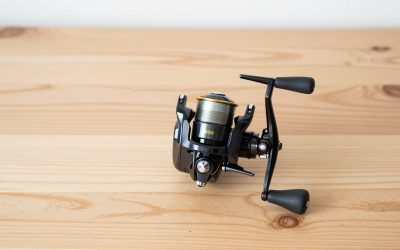
The Shimano Stradic FL is generally the better pick for anglers who value a light, smooth, refined feel on freshwater or light inshore setups, while the Daiwa BG is commonly the better pick for those who want a rugged, saltwater-ready reel that tolerates hard use. Both are mid-range spinning reels with strong followings, so neither is a bad choice. This comparison covers the general differences, a side-by-side table, use-case picks and what to check before you buy. Always confirm details against each maker’s current specifications.
As an Amazon Associate we earn from qualifying purchases at no extra cost to you.

Short verdict
Pick the Stradic FL if you fish lighter lines and lures for bass, trout, walleye or finesse inshore work and care about balance and smoothness on a long day. Pick the BG if you fish heavier line, rough cover, jetties or saltwater and want a reel with a reputation for strength over polish. If your fishing sits in the middle, such as mixed freshwater with occasional salt, the decision often comes down to how much you value weight savings versus ruggedness. Model revisions change over time, so verify the specific generation on sale.
How the two reels are positioned
Both reels sit in the middle of their brand’s lineup, above entry-level models and below premium flagships. Shimano markets the Stradic FL as a refined, smooth-running reel with in-house gearing and drag technologies, aimed at anglers who want performance without moving into the top tier. Daiwa’s BG has long been presented as a heavy-duty, high-value workhorse with a solid metal construction philosophy and a focus on durability, especially in saltwater.
That difference in positioning is the best way to understand the rest of the comparison. One leans toward refinement and a lighter feel, and the other leans toward strength and toughness. Neither description means the other brand’s reel is fragile or crude; they describe where each maker chose to put its emphasis.
Price is the other piece of context. These reels commonly sit in a similar mid-range bracket, but street prices move with sales, sizes and model years, so compare current listings for the exact size you want rather than assuming one is always cheaper. Spare-part availability and service networks can also differ by region, and that is worth a quick check if you plan to keep the reel for many seasons.
Side-by-side comparison
| Factor | Shimano Stradic FL | Daiwa BG |
|---|---|---|
| General character | Refined, smooth, lighter feel | Rugged, strong, workhorse feel |
| Typical weight feel | Generally lighter in comparable sizes | Generally heavier in comparable sizes |
| Body and rotor approach | Shimano in-house metal and composite design | Metal-forward design aimed at durability |
| Drag emphasis | Smooth, fine-tunable drag | Strong, dependable drag for bigger fish |
| Saltwater reputation | Capable with good rinsing and care | Widely regarded as saltwater-friendly |
| Sizes offered | Range from small finesse sizes to larger ones | Range of small through large sizes |
| Best for | Finesse, long casting days, lighter lines | Heavier line, rough use, inshore salt |
The table gives broad, widely discussed tendencies, not guaranteed specifications. Different sizes and model years vary, so check current figures for gear ratio, weight, bearing count, drag maximum and line capacity on the maker’s page.
Build, smoothness and weight
Weight matters more than most anglers expect. A lighter reel balances better on a short, sensitive rod and lessens fatigue when you cast hundreds of times in a session. That is where the Stradic FL generally has an edge: it is commonly described as a reel that feels light in the hand and runs quietly and evenly under load.
The BG’s strength is sturdiness. Its metal-forward build is intended to take knocks, resist flex under heavy pressure and keep working after rough handling. The trade-off is added weight, which you may notice on lighter rods or at the end of a long day of casting. If you mostly fish a stout rod with heavier lures, that extra weight is far less of an issue.
Drag, line and fish size
Drag is the part of a spinning reel that lets a hooked fish pull line without breaking it. A good drag starts smoothly, without jerking, and holds a steady pressure as the line leaves the spool. Both reels are generally praised for competent drag systems, with the Stradic FL often described as especially smooth and the BG as strong and dependable under heavy loads.
Pay more attention to the numbers than the reputation. Maximum drag values, listed by size, tell you whether a reel suits the fish you chase, but they are not a target to run at all times. As a rule of thumb, set the drag to a modest fraction of the line’s breaking strength and adjust to the rod’s rating. Always check the reel’s line capacity chart against your braid or monofilament diameter, since manufacturers list capacities by line type and test pound.
Freshwater, saltwater and corrosion
Salt is hard on any reel. Both models can be used in saltwater, but the BG is the one commonly recommended for regular salt exposure, thanks to its durable reputation and the way it has long been marketed. The Stradic FL is also widely used in light inshore settings. Whichever you choose, treat saltwater as a maintenance event: loosen the drag, wipe the reel down, rinse lightly with fresh water without submerging it or blasting it with a pressure hose, dry it completely, and apply lubricant as the manual describes.
Never store a salt-crusted reel in a closed bag. Trapped moisture speeds corrosion in gears, bearings and the bail spring. Sealing and water-resistance features differ across reel generations, so read the current product description before assuming the reel is built for repeated dunking.
Pick by fishing style
- Bass and light lures on 6 to 12 pound line: the Stradic FL’s lighter feel is usually an advantage over a long day.
- Trout, panfish and finesse presentations: a smaller Stradic FL size generally suits light rods and fine line.
- Inshore saltwater, such as redfish, snook or speckled trout: many anglers lean toward the BG for durability, though the Stradic FL also works with careful maintenance.
- Pier, jetty and surf work: the BG’s strength and typically larger sizes are a common choice, subject to rod and line pairing.
- One reel for everything: if you want a single, forgiving all-rounder, either is workable; choose by the line weights you use most.
What to check before buying
Use this short checklist whenever you compare these or any other pair of reels.
- Confirm the exact size and generation for sale, because specs and finishes change between releases.
- Compare weight, gear ratio and retrieve per handle turn for that size.
- Check line capacity for your preferred line type and diameter.
- Read the maximum drag figure and match it to your rod’s line rating.
- Look at the warranty terms and the availability of replacement parts and service.
- Balance the reel on your actual rod in a store if you can, since the same reel can feel different on different blanks.
Related guides
- How Often Should You Replace Fishing Line
- Braided Fishing Line For Baitcasters
- Fishing Pliers For Saltwater
Frequently asked questions
Which reel is better for saltwater, the Stradic FL or the BG?
The Daiwa BG has a long reputation as a tough, saltwater-capable workhorse, which makes it a common pick for inshore use, jetties and heavier cover. The Stradic FL also sees saltwater duty, but it is generally positioned as a refined, lighter reel. Either one needs a careful freshwater rinse after salt exposure. Check each maker’s current specifications and sealing details.
Is the Stradic FL lighter than the BG?
In comparable sizes, the Stradic FL is generally described as the lighter and more compact-feeling reel, while the BG is commonly regarded as the heavier and more robust one. Exact weights change with size and model revisions, so compare the numbers on the manufacturers’ current spec sheets for the specific sizes you are considering.
How should I choose a size for each reel?
Start with your line weight and target fish. Light finesse work with small lures usually points to smaller sizes, while bigger fish, heavier braid or inshore saltwater work points to larger ones. Both makers list line capacity and maximum drag by size, so match those charts to your rod’s line rating rather than choosing by name alone.
Do these reels need regular maintenance?
Yes. Wipe the reel after trips, rinse gently with fresh water after saltwater use without submerging it or using a high-pressure jet, let it dry, and relubricate according to the manual. Many anglers also have the reel professionally serviced periodically if it sees heavy use. Following the maker’s care guidance helps protect the gears and drag.
Which reel suits a beginner better?
Both are workable choices. A beginner who wants one reel for mixed freshwater and light saltwater use may favor the BG for its durable reputation, while someone mainly fishing light lures for bass or trout may prefer the lighter feel of the Stradic FL. Match the reel to the rod, line and fish you expect to target most.
More from Amazon
Programs that pair well with the guide above. Offers and eligibility are set by Amazon and may change.
Free shipping on eligible items, Prime Video and more. Eligible new members can start with a free trial.
Start a Prime free trialA Prime membership for ages 18-24 with a trial period. Eligibility is set by Amazon.
See Prime for Young AdultsAudiobooks and podcasts to listen to on the go. Eligible new members can start with a free trial.
Try Audible freeAd-free music streaming. Eligible new subscribers can start with a free trial.
Try Music Unlimited freeAs an Amazon Associate we earn from qualifying purchases.



Write Your Review
No reviews yet. Be the first to share your experience!