

Key takeaways
- How to spool a spinning reel step by step: what you need, the arbor knot, correct tension and fill level, braid backing, and fixes for twist and tangles.
To spool a spinning reel, open the bail, tie the line to the spool arbor with an arbor knot, close the bail, and wind the line on under light, steady tension until it sits about an eighth of an inch below the spool lip. The two details that decide whether the job goes well are the direction the line leaves its filler spool and how firmly you hold the line while cranking. Get those right and the line lays flat and casts cleanly. Get them wrong and you are left with twist, loops and wind knots. The steps below cover the full process, common mistakes, and when to hand the reel to a repair shop.
As an Amazon Associate we earn from qualifying purchases at no extra cost to you.

What you need before you start
Gather everything first so you are not hunting for scissors with a half-wound spool in your hand.
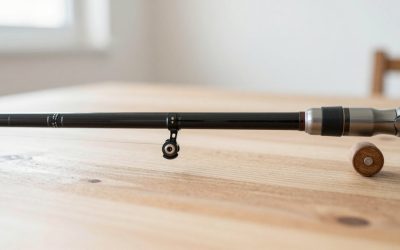
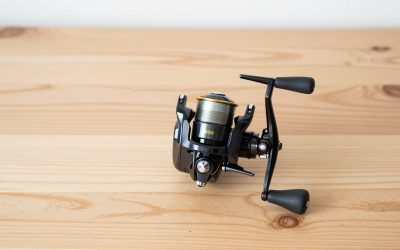
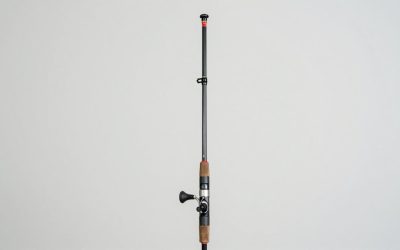
- The rod and spinning reel, with the reel attached to the rod seat so the line passes through the guides.
- The new line on its original filler spool.
- Line clippers or sharp scissors.
- A small piece of cloth or a folded paper towel to pinch the line for tension.
- Optional: a tape strip or rubber band for the tail, and a second pair of hands or a stand to hold the filler spool.
- Optional for braid: a few turns of monofilament or masking tape as backing so the slick braid does not slip on the bare spool.
Read the reel manual or the spool markings for the listed line capacity. Those figures usually assume a specific line strength and diameter, and thicker line will fit fewer yards than the number shown.
Step-by-step: spooling the line
- Pull the end of the line through every rod guide, working from the tip back toward the reel, then draw out a couple of feet. Skipping a guide is a common slip.
- Open the bail by flipping it up so the line can pass freely to the spool.
- Tie the line to the spool arbor with an arbor knot: loop the line around the arbor, tie an overhand knot around the standing line, add a second overhand knot in the tail, then pull the standing line so the first knot slides down and locks onto the arbor. Trim the tail to a short stub.
- Close the bail by hand. This ensures the line goes through the line roller when you start cranking.
- Place the filler spool on the floor or table with the label facing up. Wind on a few turns, let the line go slack and see whether it curls or spirals. If it does, flip the filler spool over so the line leaves it in the opposite direction.
- Pinch the line between your thumb and finger, or through a folded cloth, a few feet in front of the reel to supply light tension.
- Turn the handle at a steady, unhurried pace. Watch how the line lays on the spool. It should look even and snug without crossing hard over itself.
- Stop when the line is about an eighth of an inch, roughly 3 millimeters, below the spool lip. Cut the line and secure the end in the line clip or hook keeper if the reel has one.
How to avoid twist
Line twist is the leading cause of wind knots on a spinning reel, and it often starts at spooling time. The cause is nearly always the filler spool turning against the direction the line wants to leave it.
The best check is to wind on a short length, relax the tension, and watch whether the slack line spirals or coils back on itself. If it does, turn the filler spool over and try again. Many anglers let the line peel off the side of a spool laid flat for the same reason: the line should leave the spool in the same direction the bail rotates around the reel.
Another easy check is to let a few feet hang from the rod tip with nothing attached. A line that rotates or kinks signals a problem early, before you have wound the whole spool.
Tension and fill level
A loose spool leads to line digging into lower layers during a cast and then jerking free, which produces knots. Heavy tension, on the other hand, can squeeze the layers and may stretch the line.
A good target is tension firm enough that the line lays evenly when you release your fingers, but not so tight that your fingers become sore or that the rod bends noticeably. Check the lay as you fill.
Fill level matters for casting. An overfilled spool lets coils spring off the lip and tangle. An underfilled spool makes the line run into the edge of the spool and shortens casts. The eighth-of-an-inch rule is a widely used guide, but your reel manual has the final word.
Braided line and slippery spools
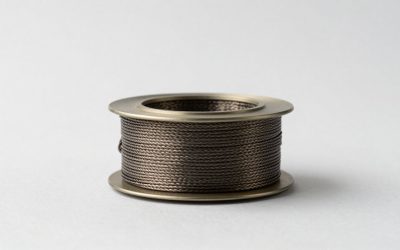
Braid can spin on a smooth metal arbor instead of gripping it. To prevent this, many anglers wrap a few turns of masking tape or a thin layer of monofilament around the arbor, then tie the braid to that base.
Because braided line is thin, a short length of mono backing also saves money, fills the spool to the right level, and keeps the braid from sitting too deep. Use an appropriate knot to join the two lines, and keep the knot small enough to pass through the guides.
Braid cuts skin under tension, so wind with a cloth or a thin glove, not bare fingers, and cut it with sharp scissors designed for the job.
Final checklist before you fish
- Line passes through every guide and the bail closes smoothly.
- Fill level is about an eighth of an inch below the lip.
- No visible twist when a few feet are left hanging.
- Drag is set according to the line strength and the reel manual.
- Line is secured in the clip so it does not unwind in transit.
- First cast is a few easy lobs to settle the line into the spool.
What can go wrong and how to fix it
Loops springing off the spool usually mean overfilling or loose tension. Strip some line off and respool under firmer tension.
Frequent tangles near the reel suggest twist or a fill level that is too high. Check the direction of the filler spool and recheck the fill.
The line slipping on the arbor points to a poor arbor knot or braid on bare metal. Retie, add backing and wind a few turns while holding the tail.
A rough or grinding feel while cranking, a bail that will not stay closed, or a line roller that does not turn are mechanical problems rather than spooling mistakes. Stop and consult the reel manual or a tackle shop. Do not force the handle.
When to see a tackle shop
Many shops respool reels for a modest fee using a machine that applies even tension. This is worth considering if the reel is new, if you have a lot of line to wind, or if you are unsure how much line your reel can hold. Bring the reel and the line you want to use so staff can check compatibility.
Old line pulled from the reel deserves proper disposal. Cut it into short pieces and put it in a bin or recycling point so it cannot tangle wildlife.
Related guides
- Shimano Stradic Fl Vs Daiwa Bg Spinning Reel
- How Often Should You Replace Fishing Line
- Braided Fishing Line For Baitcasters
Frequently asked questions
How full should a spinning reel spool be?
A common guide is about an eighth of an inch, or roughly 3 millimeters, below the spool lip. That leaves enough room for the line to peel off cleanly without coils springing loose. Overfilling causes tangles and underfilling shortens casts. Check your reel’s manual for the manufacturer’s recommended capacity and line range.
Do you need backing on a spinning reel?
Not always. Backing is helpful with braided line because braid can slip on a smooth arbor, and it can fill the spool so you use less expensive line. A few turns of monofilament or tape are usually enough. If you are spooling mono and the reel is close to full capacity, backing is generally unnecessary.
Which way should the line come off the filler spool?
Line should leave the filler spool in the same direction the bail rotates around the reel. If the line spirals or twists as you wind, turn the filler spool over and try again. A quick test is to wind on a short length and let a few feet hang free to see whether it twists.
Can you spool a reel without help from anyone else?
Yes. Place the filler spool on a table or floor with the label up, pinch the line through a cloth in front of the reel for tension, and crank steadily. A second person or a simple stand holding the filler spool makes the job easier, especially with a large spool, but is not required.
Why does your new line keep tangling?
Common causes are overfilling, loose tension while winding, or line twist from spooling the wrong direction. Strip off some line, check the filler spool direction, and respool with firmer tension, stopping at the eighth-of-an-inch mark. If tangles continue after that, check the line roller and spool lip for damage or burrs, and consult the reel manual.
More from Amazon
Programs that pair well with the guide above. Offers and eligibility are set by Amazon and may change.
Free shipping on eligible items, Prime Video and more. Eligible new members can start with a free trial.
Start a Prime free trialA Prime membership for ages 18-24 with a trial period. Eligibility is set by Amazon.
See Prime for Young AdultsAudiobooks and podcasts to listen to on the go. Eligible new members can start with a free trial.
Try Audible freeAd-free music streaming. Eligible new subscribers can start with a free trial.
Try Music Unlimited freeAs an Amazon Associate we earn from qualifying purchases.




Write Your Review
No reviews yet. Be the first to share your experience!