

Key takeaways
- Satellite fix: best outdoors with a clear view of the sky.
- Cellular positioning: useful when satellite reception is weak, but generally less precise.
- Wi-Fi or Bluetooth assistance: helpful indoors, though availability depends on the device and surrounding networks.
- App refresh delay: the location may be accurate while still being several minutes old if the tracker is asleep or has poor service.
The best GPS trackers depend on what you are tracking: choose a cellular 4G LTE tracker for a vehicle, a purpose-built child tracker with two-way communication for a child, and a pet GPS collar for an animal; Bluetooth tags such as Apple AirTag are better for finding nearby objects than for continuous location tracking.
Our top picks
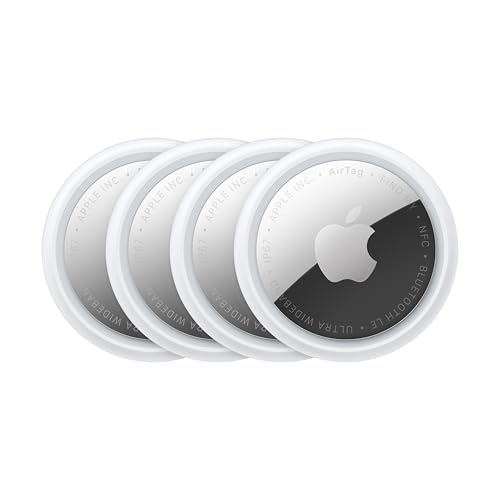


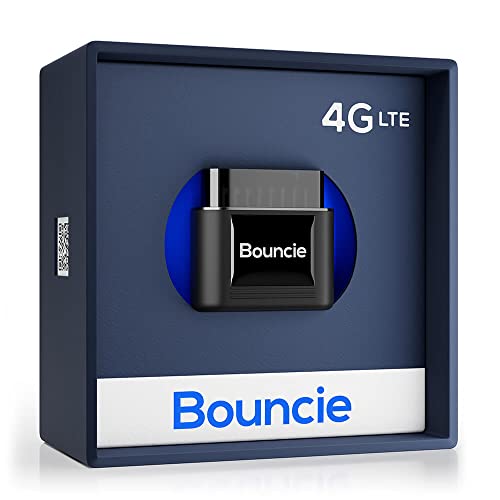
As an Amazon Associate we earn from qualifying purchases at no extra cost to you. Ratings are shown as listed on Amazon.
Best GPS trackers by use case
| Use case | Best tracker type | Typical location update | Typical battery life | Typical subscription | What matters most |
|---|---|---|---|---|---|
| Car, truck, or trailer | 4G LTE plug-in or hardwired GPS tracker | 10 seconds to 5 minutes while moving | Vehicle-powered; backup battery usually 8–72 hours | $8–$30 per month | Coverage, motion alerts, tamper detection, and installation |
| Child walking to school | Small 4G LTE tracker with SOS and voice features | 15 seconds to several minutes | 1–5 days | $10–$30 per month | Reliable cellular service, geofencing, battery reminders, and privacy controls |
| Dog or cat | GPS pet collar using cellular service | 2–10 minutes in normal tracking mode | 1–30 days, depending on mode and model | $5–$20 per month | Fit, waterproofing, escape alerts, and battery endurance |
| Keys, luggage, or a backpack | Bluetooth crowdsourced tag | Not continuous; updates when nearby phones detect it | About 1 year on a replaceable coin cell | Usually none | Low cost and long standby life, not live GPS tracking |
The ranges above are practical buying benchmarks rather than guarantees. Buildings, tree cover, cellular congestion, tracking frequency, temperature, and movement can change performance substantially.
Our picks for the best GPS trackers
Best for vehicles: a 4G LTE vehicle tracker
For a vehicle, a cellular GPS tracker such as Bouncie, LandAirSea 54, or a comparable 4G LTE unit is usually the right choice. These products can report the vehicle’s location over a cellular network, rather than relying on a nearby phone. Bouncie is designed around driving reports and vehicle-location alerts, while the LandAirSea 54 is a compact magnetic tracker with a rechargeable battery.
A plug-in OBD-II tracker is the easiest option: connect it beneath the dashboard and it can draw power whenever the vehicle is running. It is convenient but visible, and some vehicles expose the connector to accidental unplugging. A hardwired tracker is more discreet and can remain active when the ignition is off, but installation should be handled carefully so the device does not drain the vehicle battery.
For a trailer, boat, classic car, or stored vehicle, use a rechargeable or hardwired unit with a low-power parking mode. A tracker that reports every few seconds may provide excellent accuracy but can exhaust a small battery in a day or two. For theft recovery, tamper alerts and a concealed installation are often more valuable than the shortest possible update interval.
Best for children: a dedicated 4G LTE safety tracker
Children generally need a purpose-built device rather than an ordinary Bluetooth tag. Trackers in the AngelSense category, for example, are designed around location sharing, geofences, arrival and departure notifications, and caregiver controls. Some child-focused products also include SOS buttons, voice communication, or approved-contact calling.
Look for a tracker that works on 4G LTE, supports multiple caregivers, and gives a clear low-battery warning. GPS accuracy outdoors may be within roughly 10–30 feet under good conditions, but indoor positioning can depend on Wi-Fi, cellular estimates, or Bluetooth beacons. A map that appears precise is not necessarily proof that the device has a precise satellite fix.
Child trackers have an important ownership trade-off: frequent updates and voice features consume power. If a tracker lasts only one school day in active mode, it must be charged as part of the evening routine. Avoid relying on a tracker as a substitute for supervision, emergency services, or an agreed check-in plan.
Best for pets: a cellular GPS pet collar
For dogs that may escape or roam, a dedicated GPS collar such as Tractive GPS or a Fi GPS collar is more useful than a Bluetooth tag. These systems combine satellite positioning with cellular data and typically offer live tracking, safe-zone alerts, activity information, and a companion app.
Choose the collar based on the animal’s neck size and behavior, not merely the advertised battery figure. A dog that spends hours outside or frequently triggers live tracking may get considerably less runtime than the headline estimate. A collar that lasts several weeks in low-power mode may last only a few days with repeated live tracking.
For cats, check the minimum collar size, total weight, and breakaway design. A heavy dog collar can be uncomfortable or unsafe for a small cat. Confirm that the tracking unit will not interfere with the collar’s release mechanism.
GPS tracker features that actually affect the decision
Real-time accuracy and update speed
“Real-time” usually means that the tracker sends a recent position at a chosen interval; it does not mean an uninterrupted video-like location feed. A five-second update rate can be useful during an active vehicle theft or pet escape, but it uses more battery and data than a five-minute interval.
- Satellite fix: best outdoors with a clear view of the sky.
- Cellular positioning: useful when satellite reception is weak, but generally less precise.
- Wi-Fi or Bluetooth assistance: helpful indoors, though availability depends on the device and surrounding networks.
- App refresh delay: the location may be accurate while still being several minutes old if the tracker is asleep or has poor service.
Subscription cost
Most true GPS trackers need a subscription because the device uses cellular data and a server to deliver its location. General market pricing is about $8–$30 per month, with discounts for annual plans. Pet services often fall near $5–$20 monthly, while vehicle and child trackers commonly cost more when they include frequent updates, history, or voice communication.
Calculate the first-year cost before buying:
Example: a $70 tracker with a $15 monthly plan costs $250 in the first year: $70 + (12 × $15). An annual plan priced at $150 would reduce that total to $220, but only if you are confident you will use the service for the full year. Also check activation fees, replacement charges, and whether a suspended plan preserves the device for later use.
Battery life
Battery claims usually assume a low or moderate tracking frequency. Continuous live tracking, weak cellular coverage, cold weather, and frequent movement can reduce runtime. For rechargeable units, USB-C is convenient, but a sealed charging port can improve water resistance.
For a vehicle, power availability makes battery life less important. For a child, choose a device that can last through a full day with a margin of at least 25%. For a pet, prioritize a practical charging routine and an app that warns you before the battery becomes critical.
Geofencing
Geofencing creates a virtual boundary around a home, school, yard, or regular route. The best systems allow several zones and separate entry from exit alerts. A boundary that is too small can generate false alarms because GPS positions naturally drift. Start with a radius of roughly 300–500 feet around a home, then adjust it after observing normal location variation.
Waterproofing and durability
Look for an explicit IP rating rather than a vague claim such as “water resistant.” IP67 generally means protection from dust and temporary immersion, while IP68 indicates a higher level of immersion protection under the manufacturer’s stated conditions. Neither rating guarantees that a charging port, collar attachment, or cracked housing will remain watertight.
What commonly wears first is the collar or mounting accessory, not the GPS electronics. Inspect stitching, clips, magnetic mounts, and charging covers monthly. Rinse pet collars with fresh water after saltwater exposure, dry all contacts before charging, and do not charge a wet device. For vehicles, inspect magnetic mounts after dust, road salt, and high-pressure washing.
A quick decision matrix
| Your priority | Choose | Avoid |
|---|---|---|
| Lowest ongoing cost | Bluetooth tag for lost objects | Cellular GPS if you do not need remote tracking |
| Vehicle theft recovery | Concealed 4G tracker with motion and tamper alerts | Visible magnetic placement as the only security measure |
| Child safety on a daily route | 4G tracker with SOS, geofences, and caregiver sharing | Tag that depends on nearby phones |
| Large dog that roams | Waterproof cellular pet collar with escape alerts | Short-range Bluetooth-only tracker |
| Small cat | Lightweight, breakaway-compatible tracker | Large tracker designed for dogs |
| Remote area with weak cellular coverage | Tracker verified for the available carrier network, or a satellite communicator where appropriate | Assuming every 4G device has identical coverage |
Setup mistakes to avoid
- Test coverage before hiding the device. Activate it outdoors, indoors, and at the place where it will normally operate.
- Set a realistic geofence. Begin larger than the property boundary and reduce it only after checking normal GPS drift.
- Confirm the update interval. A low-power setting may be unsuitable for a moving vehicle or escaping pet.
- Record the charging schedule. Put child and pet trackers on a predictable routine, and keep a spare charging cable.
- Review privacy settings. Share access only with trusted caregivers, use strong account security, and remove former users promptly.
Final buying advice
The best GPS trackers are not the ones with the longest feature list; they are the ones that match the movement, power, coverage, and subscription needs of the thing being tracked. Pick a vehicle tracker for remote, frequent location updates; a dedicated 4G child tracker for communication and geofencing; and a waterproof pet collar for escape detection. Choose a Bluetooth tag only when nearby-item recovery is enough. Before purchasing, verify network coverage, total first-year cost, realistic battery life, and how the device will be charged and maintained.


Write Your Review
No reviews yet. Be the first to share your experience!