

Key takeaways
- Rinse after saltwater use and let the hull dry in shade; prolonged sun exposure fades and weakens plastic.
- Store hard-shell boats on their sides or hung on wide straps, never on one point, to avoid permanent warping.
- Inflatables should be dried fully before packing to prevent mildew.
- Scupper plugs, seat pads and hatch gaskets are the parts that wear first; they are cheap to replace.
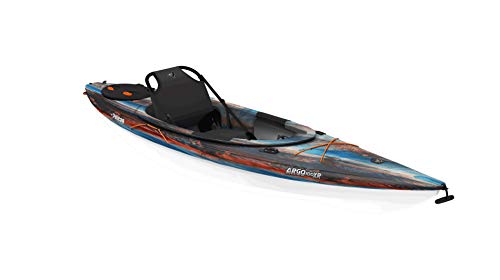
The best kayak for most buyers in 2026 is a 10 to 12 foot sit-on-top recreational model, because it is stable, easy to re-board after a swim and costs far less than a pedal or touring boat. Choose an inflatable such as the Intex Challenger K1 if storage space is the problem, a sit-inside touring boat such as the Old Town Loon if you paddle long distances, and a fishing-oriented sit-on-top if you plan to cast from the seat. The right answer depends on where you paddle, how far you carry the boat and how much you want to spend.
Our top picks


As an Amazon Associate we earn from qualifying purchases at no extra cost to you.
Quick comparison of the kayak picks
| Pick | Best for | Typical length | Typical weight | Price range |
|---|---|---|---|---|
| Sun Dolphin Aruba 10 | Budget starter, calm lakes | About 10 ft | Roughly 40 to 50 lb | Budget |
| Intex Challenger K1 | Apartments and small cars | About 9 ft | Roughly 30 to 35 lb | Budget |
| Perception Pescador-class angler | Casual fishing from a stable deck | About 12 ft | Roughly 60 to 70 lb | Mid-range |
| Wilderness Systems Tarpon 120 | All-round sit-on-top for lakes and bays | About 12 ft | Roughly 60 to 70 lb | Mid-range |
| Old Town Loon 126 | Comfortable day touring | About 12.5 ft | Roughly 55 to 65 lb | Mid-range |
| Hobie Mirage Passport 12.0 | Hands-free pedal paddling | 12 ft, about 34 in wide | Heavier, drive included | Premium |
Weights and lengths are approximate class figures; always confirm exact numbers on the manufacturer’s spec sheet before you buy, since trims and drive options change them.
Best budget: Sun Dolphin Aruba 10
Sun Dolphin has long sold simple molded polyethylene kayaks for casual paddlers, and the Aruba line is the classic entry point. It is a short, wide sit-in boat that tracks adequately on ponds and slow rivers, and it is light enough for one person to lift onto a roof rack. The trade-off is a basic seat and limited storage, so it becomes tiring on trips longer than an hour or two. Buy it if you want to find out whether you enjoy paddling before spending real money.
Best inflatable: Intex Challenger K1
The Challenger K1 is a one-person inflatable that packs into a duffel-sized bag, which solves the storage and transport problem for apartment dwellers. Its PVC construction is fine for flat water but it is more exposed to punctures from rocks, oyster shells and fishing hooks than rotomolded plastic. It is also slower and gets pushed around by wind. For occasional lake days it is hard to beat on price; for regular use, step up to a drop-stitch inflatable or a hard-shell boat.
Best for casual anglers: Perception Pescador-class sit-on-top
Perception’s Pescador family is built around a wide, flat-bottomed hull with rod holders and a raised seat. The wide deck gives you the stability to cast without worrying about tipping, and some paddlers stand briefly on calm water. The compromise is speed: wide boats move slower and need more effort over long distances. Anglers who fish small lakes, ponds and protected coves get the most from this design.
Best all-rounder: Wilderness Systems Tarpon 120
The Tarpon has been a mainstay of the sit-on-top market for years. At about 12 feet it covers ground efficiently, tracks straight and has enough deck space for a dry bag or small cooler. The seat is supportive for a day on the water, and the hull is stable enough for beginners yet quick enough that stronger paddlers will not outgrow it. It is heavier than budget boats, so a cart or loader rack is worth the extra spend.
Best for touring comfort: Old Town Loon 126
The Loon is a sit-inside design with a roomy cockpit and an adjustable seat. Sit-inside boats keep your legs out of the sun and wind and stay drier in cool weather, which matters on spring and autumn lakes. You will need to learn a wet exit and re-entry, and you should wear a life jacket every time. It suits paddlers who want miles rather than fishing features.
Best premium step-up: Hobie Mirage Passport 12.0
Hobie’s Passport uses the Mirage pedal drive so your hands stay free for casting or photography. According to published specifications it is roughly 12 feet long and 34 inches wide. It sits at the top of this list on price, and the drive adds weight and a bit of maintenance. If you want to cover water quickly without tiring your arms, it is the most practical upgrade.
How to choose a kayak
Match length to water
Under 10 feet turns easily and suits ponds and creeks. Between 10 and 12 feet is the best compromise for lakes and sheltered bays. Over 12 feet tracks straighter and goes faster but is harder to carry and turn in tight spots.
Check capacity honestly
Add your weight, your gear and any dog or child, then keep the total under about 80 percent of the rated capacity. A 300 lb capacity kayak carrying a 200 lb paddler and 40 lb of gear is already at 80 percent and will ride low and feel sluggish.
Think about carrying weight
A 65 lb kayak is awkward to lift alone onto an SUV. If you paddle solo, look for boats under 50 lb, use a cart for the walk to the water, or consider an inflatable.
Sit-on-top versus sit-inside
Sit-on-tops are easier to re-board, drain themselves through scupper holes and are more forgiving for beginners. Sit-insides are warmer, drier and faster for the effort but need more skill for self-rescue.
Plan the total cost
Budget extra for a paddle, life jacket, roof rack or cart, and tie-down straps. A good paddle alone can cost as much as a budget boat, and a lighter one reduces fatigue noticeably across a full day.
Worked example: cost per outing
If a 12 foot sit-on-top costs about 1,000 in total with paddle and vest, and you paddle 20 times a year for five years, that is 100 outings, or roughly 10 per trip before maintenance. Renting a kayak for a day often costs 40 to 60, so owning pays off after around 20 to 25 trips.
Ownership realities
- Rinse after saltwater use and let the hull dry in shade; prolonged sun exposure fades and weakens plastic.
- Store hard-shell boats on their sides or hung on wide straps, never on one point, to avoid permanent warping.
- Inflatables should be dried fully before packing to prevent mildew.
- Scupper plugs, seat pads and hatch gaskets are the parts that wear first; they are cheap to replace.
Frequently Asked Questions
What size kayak is best for a beginner?
A 10 to 12 foot sit-on-top with a width of about 30 inches or more is the easiest to learn on. It resists tipping, is simple to re-board and handles most lakes and slow rivers well.
Are inflatable kayaks any good?
Quality inflatables work well on calm water and are far easier to store and transport. Cheap PVC models are more fragile and slower, so check the material thickness and the number of air chambers.
Sit-on-top or sit-inside for fishing?
Most anglers prefer sit-on-top boats because they offer open deck space, stability and easy access to gear. Sit-insides can still work for paddling-focused trips with minimal tackle.
How much should I spend on my first kayak?
Many people start with a budget hard-shell or inflatable, then upgrade after a season. Spending more only makes sense if you already know you will paddle often.
Do I need a license or registration?
Rules vary by state and country, and some require registration for powered or pedal craft or a launch permit. Check your local boating authority before your first trip, and always carry a properly fitted life jacket.
More from Amazon
Programs that pair well with the guide above. Offers and eligibility are set by Amazon and may change.
Free shipping on eligible items, Prime Video and more. Eligible new members can start with a free trial.
Start a Prime free trialA Prime membership for ages 18-24 with a trial period. Eligibility is set by Amazon.
See Prime for Young AdultsAudiobooks and podcasts to listen to on the go. Eligible new members can start with a free trial.
Try Audible freeAd-free music streaming. Eligible new subscribers can start with a free trial.
Try Music Unlimited freeAs an Amazon Associate we earn from qualifying purchases.



Write Your Review
No reviews yet. Be the first to share your experience!