

Key takeaways
- At 7 feet, or 84 inches, 84 ÷ 1.2 equals 70 inches, making a 65- or 75-inch TV sensible.
- At 9 feet, or 108 inches, 108 ÷ 1.2 equals 90 inches, so a 85- or 98-inch model can be appropriate.
- At 10 feet, a 75-inch set may look modest, while an 85- or 98-inch model provides a more cinematic field of view.
Best QLED TVs for Bright, Cinematic Viewing
The best QLED TVs for a bright, cinematic room are the Samsung QN90F for premium all-round performance, the TCL QM7K for value, the Hisense U8QG for maximum HDR brightness, and the Sony BRAVIA 5 for natural movie processing and easy calibration.
Quick comparison: the best QLED TVs in 2026
Specifications vary by screen size, and peak-brightness figures are usually manufacturer claims or measurements from specific picture modes. Use them as a guide rather than a guarantee of every scene’s brightness.
Our top picks


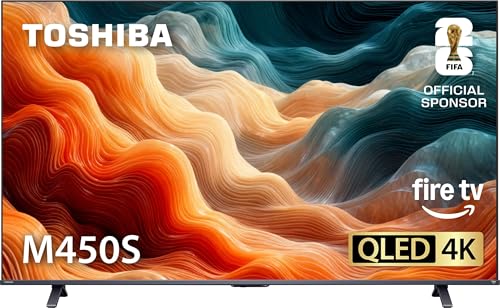
As an Amazon Associate we earn from qualifying purchases at no extra cost to you. Ratings are shown as listed on Amazon.
| TV | Common sizes | Display and brightness | Refresh rate | Best for | Typical market range |
|---|---|---|---|---|---|
| Samsung QN90F | 43–115 inches | Neo QLED Mini LED; roughly 2,000–4,000 nits peak, depending on size and mode | Up to 144Hz | Bright rooms, sports, gaming, wide seating | $1,000–$15,000+ |
| TCL QM7K | 55–98 inches | QD-Mini LED; up to about 2,000 nits claimed peak brightness | Up to 144Hz | Large-screen value and HDR gaming | $700–$3,000 |
| Hisense U8QG | 55–85 inches | Mini LED quantum dot; up to about 5,000 nits claimed peak brightness | Up to 165Hz | Very bright rooms and high-impact HDR | $1,000–$3,000 |
| Sony BRAVIA 5 | 55–98 inches | Mini LED quantum dot; approximately 1,000–1,500 nits class | Up to 120Hz | Movies, upscaling and natural image processing | $1,000–$3,500 |
Our picks by viewing situation
Best overall for a bright living room: Samsung QN90F
The Samsung QN90F is the safest premium choice when a television must handle sunlight, lamps and daytime sports without losing contrast. Its Mini LED backlight uses a large number of independently controlled zones, while the quantum-dot layer produces saturated color at high brightness.
Samsung’s anti-glare treatment is particularly useful when reflections are a bigger problem than absolute black level. The screen remains readable from several seats, although the coating can produce a mild haze or rainbow-like reflection from strong point lights. Samsung also supports four HDMI 2.1 inputs, 4K gaming at up to 144Hz on compatible sizes, variable refresh rate and automatic low-latency switching.
Choose the 55-inch or 65-inch model for a typical living room. The 75-inch and larger versions make more sense when the main seat is at least about 9 feet away. Samsung’s processing is strong for sports and compressed streaming, but Dolby Vision is not supported; HDR10 and HDR10+ are the relevant formats instead.
Best value: TCL QM7K
The TCL QM7K gives buyers much of the Mini LED experience without moving into flagship pricing. It combines quantum-dot color, local dimming and a 144Hz panel, making it a strong match for movies, console gaming and a large family-room screen.
Its advantages are value, high HDR output and gaming connectivity. Expect two HDMI 2.1-class inputs, variable refresh rate and support for 4K gaming at high frame rates, subject to the source device and chosen size. The Google TV interface is also convenient for households already using Google accounts and casting.
The compromise is consistency. Black levels and blooming control can vary more by scene than on a premium Samsung, and off-axis color may lose intensity sooner. At a straight-on seat, however, the QM7K can deliver a highly cinematic picture for considerably less money. It is the best pick when the budget needs to cover both the television and a soundbar.
Best for maximum brightness: Hisense U8QG
The Hisense U8QG is aimed at viewers who want the most forceful HDR impact in a room that is difficult to darken. Its very high claimed peak brightness helps highlights such as sunlight, explosions and reflections stand out even when ambient light is present.
The 165Hz gaming mode is a useful advantage for a modern gaming PC, while consoles can take advantage of 4K at up to 120Hz where supported. It also includes variable refresh rate and low-latency features. The built-in audio is more substantial than on many thin televisions, although a separate sound system remains preferable for cinematic scale.
This is not automatically the best choice for a dark movie room. Extremely bright specular highlights can look impressive, but local-dimming transitions may be more visible in difficult scenes containing bright subtitles or small lights against black. It is best for sports, games and HDR-heavy content rather than viewers who prioritize the most controlled film presentation.
Best for movies and upscaling: Sony BRAVIA 5
The Sony BRAVIA 5 is a good choice when picture processing matters more than chasing the highest brightness number. Sony’s processing generally gives low-quality streams, older films and broadcast television a clean, natural appearance, and its tone mapping is designed to preserve the director’s intended balance rather than simply making every highlight brighter.
Its 120Hz panel supports smooth sports and console gaming, with HDMI 2.1 features including variable refresh rate and 4K at up to 120Hz. Google TV provides broad app support, and Sony’s picture modes are relatively easy to adjust without excessive controls.
Compared with the Samsung QN90F, the BRAVIA 5 is usually less resistant to direct reflections and may not look as forceful in full sunlight. It is a better fit for a controlled or moderately bright room where films and high-quality streaming are the priority.
How screen size changes the decision
Do not choose size by room dimensions alone. Viewing distance and content quality matter more. A useful calculation is to divide viewing distance in inches by about 1.2 to estimate a comfortable 4K cinema-oriented diagonal.
- At 7 feet, or 84 inches, 84 ÷ 1.2 equals 70 inches, making a 65- or 75-inch TV sensible.
- At 9 feet, or 108 inches, 108 ÷ 1.2 equals 90 inches, so a 85- or 98-inch model can be appropriate.
- At 10 feet, a 75-inch set may look modest, while an 85- or 98-inch model provides a more cinematic field of view.
For mixed-quality cable and older video, choose the smaller end of the range. For 4K streaming, UHD discs and gaming, the larger end is usually more rewarding. Also measure the stand or wall: a 98-inch television can be roughly 86 inches wide, and its shipping carton will be substantially larger.
QLED features that matter most
Peak brightness versus sustained brightness
Peak brightness describes a small highlight, not an entire white screen. A TV rated at 2,000 nits may reduce brightness during a long bright scene to control heat and power use. Look for effective local dimming and good contrast, not just the largest number on the box.
Contrast and blooming
Mini LED improves contrast by dividing the backlight into many dimming zones. More zones can reduce halos around subtitles and stars, but they do not eliminate blooming completely. A VA-based QLED usually has deeper native contrast than an IPS-type panel, while viewing angles may be narrower. Sit directly in front of the screen if black-level performance is your top priority.
Viewing angles
Samsung’s premium anti-glare and wide-viewing technologies help when seats are spread across a room. Most value QLED models lose some contrast and color saturation when viewed from the side. If the sofa is more than about 25–30 degrees off-center, prioritize a wide-angle model or arrange the seating toward the screen.
Gaming
For console gaming, 4K at 120Hz, HDMI 2.1, variable refresh rate and low input lag are more important than a 165Hz headline figure. A 144Hz or 165Hz mode mainly benefits PC gaming with a compatible graphics card. Check the number of full-bandwidth HDMI ports if you plan to connect two consoles, a gaming PC and an audio receiver.
Ownership realities and setup mistakes
QLED televisions avoid the permanent burn-in concerns associated with emissive OLED panels, but the backlight and electronics still generate heat. Leave ventilation space around the set, do not block rear vents, and avoid placing it directly above a heat source.
- Use a microfiber cloth for dust and fingerprints. Spray cleaner onto the cloth, never directly onto the panel.
- Do not press or scrub the screen; the anti-reflection layer is easier to damage than the glass suggests.
- Turn off aggressive showroom or dynamic modes for normal viewing. They can exaggerate brightness, raise power use and hide shadow detail.
- Use Filmmaker, Movie or Cinema mode for films, then adjust brightness for the room rather than changing contrast to maximum.
- Enable game mode on the HDMI input used by a console. Otherwise processing can increase input lag.
- Leave local dimming enabled for HDR unless subtitles or bright objects show distracting halos; disabling it usually reduces contrast substantially.
Which best QLED TV should you buy?
Buy the Samsung QN90F if your room is bright, seating is wide or you want the most polished combination of contrast, anti-reflection performance and gaming features. Choose the TCL QM7K when screen size and value matter most. Pick the Hisense U8QG for maximum HDR intensity and high-refresh-rate PC gaming. Choose the Sony BRAVIA 5 when movie processing, upscaling and natural image quality matter more than headline brightness.



Write Your Review
No reviews yet. Be the first to share your experience!