

Key takeaways
- Best for panfish: A 24- to 28-inch ultralight or light rod with a fast or moderate-fast action, solid sensitivity, and a thin, flexible tip.
- Best for walleye: A 28- to 32-inch medium-light rod with a fast action, 6- to 10-pound line rating, and enough backbone for a solid hookset.
- Best for larger species: A 32- to 40-inch medium or medium-heavy rod with larger guides, a reinforced blank, and a handle that remains comfortable while fighting fish.
- Best budget choice: A 24- to 30-inch fiberglass or composite rod. It will usually be heavier and less sensitive, but it tolerates rough handling and costs less to replace.
- Best for tight shelters: A 24- to 28-inch rod. Longer rods can contact the wall, ceiling, or heater when you set the hook.
Best Ice Fishing Rods: Picks for Every Setup
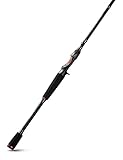
The best ice fishing rods are short, light, and matched to the species: choose a 24- to 28-inch ultralight for panfish, a 28- to 32-inch medium-light rod for walleye, and a 32- to 40-inch medium or medium-heavy rod when larger fish and heavier lures are the priority.
Quick Picks by Fishing Situation
- Best for panfish: A 24- to 28-inch ultralight or light rod with a fast or moderate-fast action, solid sensitivity, and a thin, flexible tip.
- Best for walleye: A 28- to 32-inch medium-light rod with a fast action, 6- to 10-pound line rating, and enough backbone for a solid hookset.
- Best for larger species: A 32- to 40-inch medium or medium-heavy rod with larger guides, a reinforced blank, and a handle that remains comfortable while fighting fish.
- Best budget choice: A 24- to 30-inch fiberglass or composite rod. It will usually be heavier and less sensitive, but it tolerates rough handling and costs less to replace.
- Best for tight shelters: A 24- to 28-inch rod. Longer rods can contact the wall, ceiling, or heater when you set the hook.
What to Look For in an Ice Fishing Rod
Length
Rod length affects leverage, line control, hook-setting distance, and comfort inside a shelter. A short rod keeps the tip close to the hole and is easier to manage when seated. It also limits the amount of line you can move on each lift, which is useful for small jigs but less helpful when controlling a spoon or jigging rap over deeper water.
A 26-inch rod is a useful panfish length, while 30 inches is a versatile choice for walleye. A 36-inch rod provides better line control and shock absorption outdoors, particularly when fishing outside a shelter or using tip-up-adjacent techniques. Extra length is not automatically better: it adds weight and can become awkward in a confined space.
Power and action
Power describes how much force the rod needs to bend. Ultralight and light rods load easily with tiny jigs. Medium-light rods cover most walleye presentations. Medium and medium-heavy rods are better for larger lake trout, pike, salmon, and heavy spoons.
Action describes where the blank bends. A fast-action rod bends mostly near the tip, transmitting subtle taps and driving a hook quickly. A moderate or moderate-fast action bends farther down the blank, protecting light line and soft mouths during the fight. For panfish, moderate-fast is often forgiving. For walleye, fast action offers a useful balance of sensitivity and control.
Sensitivity
Graphite generally provides more sensitivity than fiberglass because it transmits vibration efficiently and keeps weight low. That matters when a crappie barely changes the tension in the line or a walleye picks up a jig while moving upward.
Fiberglass and composite blanks have advantages of their own. They bend more progressively, absorb sudden surges, and are less vulnerable to damage from being dropped on ice or stored carelessly. If several people share the equipment, a durable composite rod can be a better ownership decision than an exceptionally light graphite model.
Guides
Ice buildup is one of the most frustrating problems with any ice rod. Look for guides with smooth inserts, secure wraps, and spacing that keeps line flowing without excessive contact with the blank. Larger guides generally pass frozen line and thicker leaders more easily than tiny guides.
Stainless-steel guides are common and practical. Lightweight guides reduce overall rod weight, but they must still be aligned and firmly attached. Inspect the tip guide before every outing: it is the guide most likely to receive impacts and the most likely to damage line if its insert is cracked.
Handle materials
Cork is light, warm relative to bare metal, and comfortable for sensitivity-focused jigging. EVA foam is easier to clean and usually tolerates drops, wet gloves, and repeated transport better. A split grip saves weight, while a full-length grip gives more support during a long fight or when using a rod holder.
For panfish, a small cork or EVA handle keeps the setup balanced with a compact reel. For walleye and larger fish, prioritize a grip long enough to brace against your forearm without forcing your hand into an uncomfortable position.
Head-to-Head Comparison
| Rod setup | Typical length | Power/action | Line range | Best lure range | Best use |
|---|---|---|---|---|---|
| Panfish finesse | 24–28 in | Ultralight, moderate-fast | 1–4 lb | 1/64–1/8 oz | Bluegill, perch, crappie |
| All-around panfish | 26–30 in | Light, fast | 2–6 lb | 1/32–1/4 oz | Mixed panfish and small trout |
| Walleye jigging | 28–32 in | Medium-light, fast | 6–10 lb | 1/8–1/2 oz | Jigs, spoons, jigging minnow baits |
| Heavy walleye or trout | 30–36 in | Medium, fast or moderate-fast | 8–14 lb | 1/4–3/4 oz | Deep water and larger spoons |
| Large-species power | 34–40 in | Medium-heavy, moderate-fast | 10–20 lb | 3/8–1 oz | Lake trout, pike, salmon |
These are starting ranges rather than universal rules. Water depth, current, leader material, lure profile, and the size of fish in the lake can justify moving one power category up or down.
Recommended Rod Types and Notable Options
For panfish: finesse graphite or a light composite
A sensitive graphite panfish rod is the most rewarding choice when fish are finicky. Look for a 24- to 28-inch ultralight model with a visible tip and a smooth drag on the reel. The Shakespeare Ugly Stik GX2 Ice is a practical alternative for anglers who value toughness and a forgiving bend over minimum weight. It is particularly suitable for shared gear, children, and anglers who frequently transport rods loose in a sled.
For walleye: medium-light fast action
Walleye rods need enough sensitivity to detect a light pickup and enough backbone to set a single hook through a cold, slack-prone line. The 13 Fishing Widow Maker Ice series is an example of the purpose-built graphite style to consider, while the Abu Garcia Veritas Ice line represents the lightweight, sensitivity-oriented approach. Compare the specific model’s length and power rather than buying solely by series name.
For a single do-everything walleye rod, choose approximately 30 inches, medium-light power, fast action, and a line rating around 6 to 10 pounds. That combination handles small spoons and jigging baits without feeling overpowered by modest panfish.
For larger fish: progressive medium or medium-heavy power
When lake trout, pike, or salmon are realistic targets, prioritize blank strength and controlled flex. A 34- to 40-inch rod helps steer fish away from the hole and cushions heavier line, but it requires more room to operate. A moderate-fast action is often preferable to an extra-fast tip because the deeper bend reduces pulled hooks during sudden runs.
Check the reel seat, handle length, and guide size carefully. Heavy lures and stronger line expose weak components faster than ordinary walleye fishing does.
Decision Matrix: Match the Rod to Your Ownership Reality
| Your situation | Best specification | Why |
|---|---|---|
| New angler, one rod | 28–30 in, light or medium-light, moderate-fast | Forgiving and versatile across small jigs and light spoons |
| Experienced panfish angler | 24–27 in, ultralight, fast or moderate-fast graphite | Improves bite detection and lure control |
| Small shelter or crowded group | 24–28 in, light power | Less likely to strike the shelter or another angler |
| Frequent outdoor use | 30–36 in, composite or reinforced graphite | Better reach and more tolerance for rough transport |
| Occasional user on a strict budget | Fiberglass or composite, 26–30 in | Lower replacement risk and broad lure tolerance |
Setup and Maintenance That Protects Performance
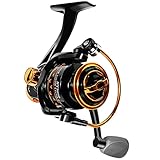
- Match the reel to the rod. A small spinning reel should balance near the front of the grip. If the tip constantly drops, your wrist will tire and subtle jig movements become less precise.
- Fill the spool sensibly. Leave approximately 1/8 inch between the line and spool lip. Overfilling increases loops and tangles in cold conditions; underfilling reduces casting and jigging efficiency.
- Use line suited to the target. Light monofilament remains forgiving for panfish. Fluorocarbon or braided main line with a leader can improve sensitivity, but stiff line and oversized knots may hinder tiny lures.
- Remove ice instead of forcing the tip. Dip the line near the hole or clear ice gently. Do not scrape a fragile guide insert with a knife, hook, or metal tool.
- Dry the rod before storage. Wipe moisture from the guides and reel seat, then store the rod separated from wet clothing. Salt, grit, and repeated freeze-thaw cycles accelerate corrosion and weaken guide wraps.
Common Buying Mistakes
Buying the longest rod available is a frequent error. Length only helps when you have room to use it and need the additional line control. Another mistake is choosing an extra-fast, ultra-light rod for large fish because it feels sensitive in the store. That tip may not protect hooks or line when a powerful fish surges beside the hole.
Also inspect the tip guide and reel seat rather than judging only the blank. A sensitive blank is not useful if a rough guide damages line, and an expensive rod is poor value if its handle is uncomfortable after several hours.
Final Recommendation
For most anglers buying one of the best ice fishing rods, a 28- to 30-inch medium-light fast or moderate-fast rod is the safest all-around choice. Choose a 24- to 27-inch ultralight for dedicated panfish finesse, or step up to a 34- to 40-inch medium or medium-heavy model when large fish, heavy lures, and open-air fishing matter more than compactness.


Write Your Review
No reviews yet. Be the first to share your experience!